The mega-merger between FCA and PSA and what it could mean for classic car fans

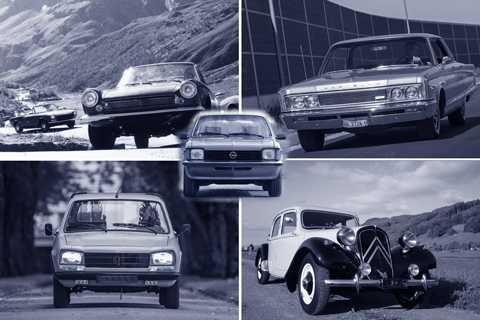
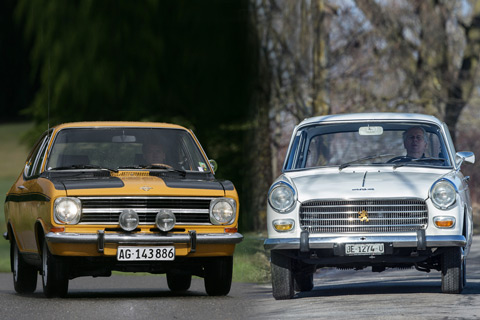
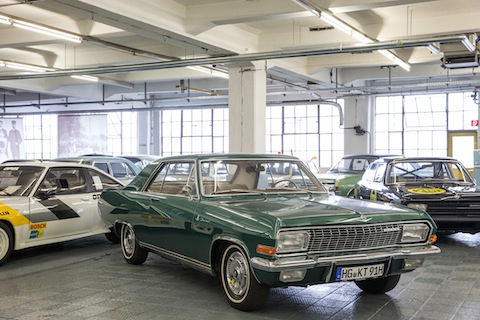
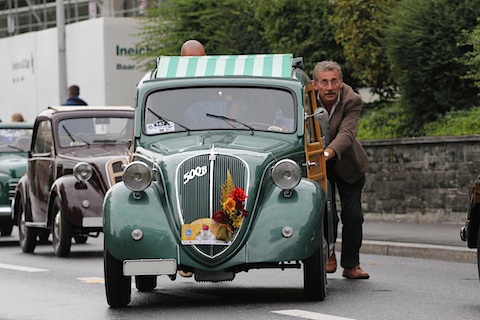
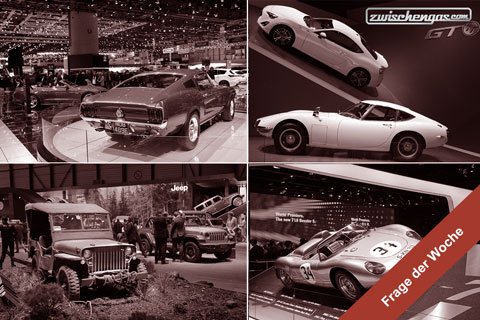
What connects the brands shown? The planned merger of the FCA Group with PSA. This means that Citroën, Chrysler , Jeep , Fiat , Alfa Romeo, ( Lancia) , Peugeot, Opeland a few more brands will be placed under joint management. What may have many advantages from a top-down perspective (e.g. economies of scale, synergies, etc.) could also have a negative impact in detail.
For example, what will happen to the traditional divisions of the three groups (after all, Opel has only recently been united with PSA? What role will tradition play for the new company? What will happen to the vehicle types currently produced? Will product ranges be merged in the short term, meaning that entire vehicle series will disappear? And will the new company bear in mind that in 20 or 30 years' time, enthusiasts will be desperately looking for spare parts and know-how?
It is to be feared that maintaining a functioning traditional department and a spare parts supply for long-forgotten vehicle types will not be a high priority. After all, it must first be proven that the merger will lead to the hoped-for benefits, so costs must be cut, staff numbers reduced and factories closed. It's too early to tell who will be left out in the cold, but the people who are primarily concerned with yesterday's cars are unlikely to be the ones with the most leverage.
But perhaps things will turn out quite differently and the merged companies/brands will recognize the value of their combined automotive tradition of over 800 years? In fact, there is hardly a conglomerate that unites such a large number of (still existing) car brands with such a great history under one roof. What an opportunity!