The decade of ten - a look back at the second decade of classics (2011-2020)


There seems to be some disagreement about the definition of the decade. Are we talking about 2010 to 2019 or 2011 to 2020? Well, for the decade that is now coming to an end, and we are now adopting the more widely used form of 2011 to 2020, it doesn't make that much difference, as the year 2020 somehow doesn't seem to have taken place at all. If you think back to big events, concours or rallies that you took part in, you often have to go back to 2019. The coronavirus pandemic has at least partially erased 2020.
Tonight, however, the transition into the next decade takes place when 2021 begins. A good time to take another look at the last ten years, especially as this is pretty much the time horizon that zwischengas.com has closely tracked with over 11,000 reports/articles/posts.
Let's start with modern cars, as these are the ones that will become youngtimers and classic cars in 20 or 30 years' time. In addition, the regulations of modern mobility always have an impact on the handling of historical cultural assets.
Rapid change
The big issues of recent years have certainly been the CO2 problem and electromobility. Hardly ever before has the transition from one technology to another been triggered by so much political pressure. Car manufacturers are being forced to abandon tried-and-tested drive concepts and focus on electric or hydrogen cars. The particulate matter problem (including "diesel gate") put an end to diesel. Regardless of the drive technology, modern cars are increasingly becoming driving computers, assistance systems are spreading and are or are even becoming mandatory equipment. The conventional ignition key is disappearing, as is the manual four-, five- or six-speed gearbox.
Safety requirements are making cars heavier and larger, but also more confusing. The "Sport Utility Vehicle" (SUV) becomes the best-selling vehicle category.
At the same time, hypercars are outdoing each other with ever more monstrous engine outputs: while 1000 hp was still a peak value at the beginning of the decade, today 2000 hp and more have to be called up to impress the quartet players, should there still be any.
Individual motorization is still increasing at the end of the decade, but the density of regulation and increasing traffic jams make it increasingly difficult to get from A to B quickly.
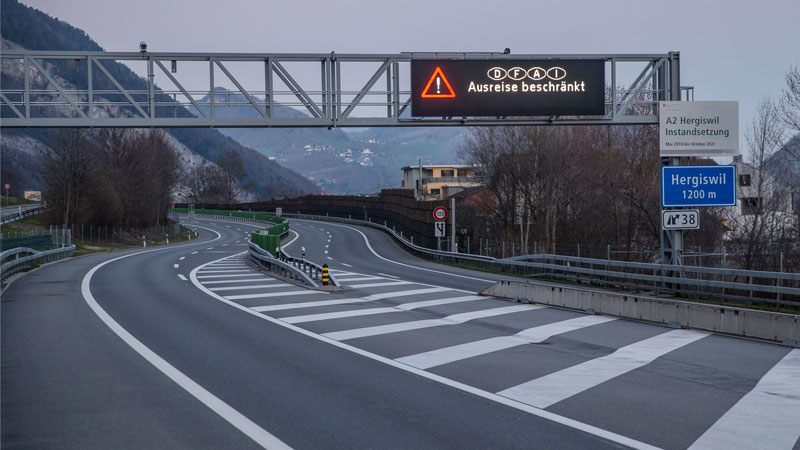
In the coronavirus year 2020, many people had to stay at home, CO2 pollution from rolling traffic decreased, but sensitivity to noise increased. Never before have there been so many complaints about "posers" and loud motorcycles.
Although, according to recent studies, cars are still highly valued by younger people, the importance of car ownership is declining. The "sharing economy", i.e. the sharing of mobility capacities, is increasingly entering our lives with bicycles, scooters and even cars.
Let's take a brief look back to 2011, when the Tesla Roadster, the first model of the American "shooting star", had only been around for three years and the Model S only existed as a prototype. Electric cars were an absolute niche. Anyone who wanted to appear ecological drove a Toyota Prius. Or the rival product from Honda. There wasn't much else. This has changed completely over the last ten years, because by the end of the decade there will soon be more electric cars on the market than conventional vehicles powered by petrol or diesel engines. And more and more countries want to ban the sale of vehicles with combustion engines in the near future, i.e. in less than 10 years.
Not a good starting point for our beloved historic cultural asset. But what actually happened in the classic car sector between 2011 and 2020?
Classics decade of contrasts
The contrast between the Baillot auction on 6 February 2015 and the trend towards factory-built new classic cars could hardly be greater, but it was precisely such contrasts that characterized the decade 2011-2020. In Paris, record prices were paid for originals, some of which could hardly be restored. Aston Martin, Chevron, Jaguar and Lister, among other manufacturers, began to rebuild their old cars. You could order a brand new Aston Martin DB4 GT Zagato from the factory, but also a brand new Jaguar XKSS. The business with the past thus took on a new dimension. Factory restorations also suddenly became an interesting area of business, regardless of whether the aim was to recreate old Land Rovers or to maintain Lamborghini and Ferrari sports cars in certified original condition.
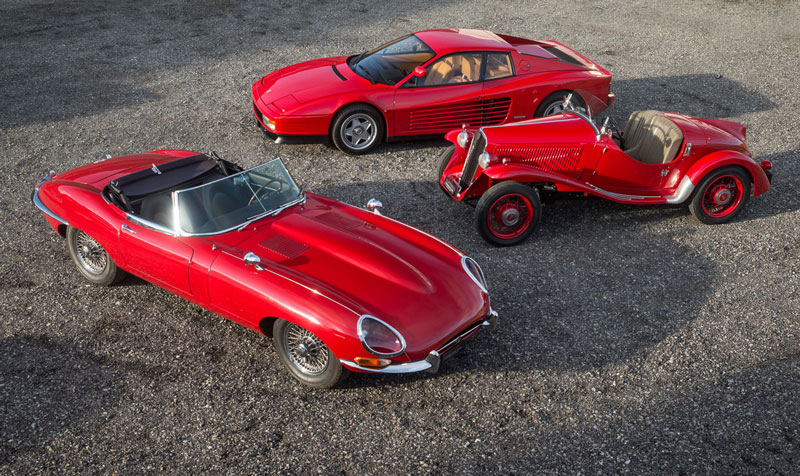
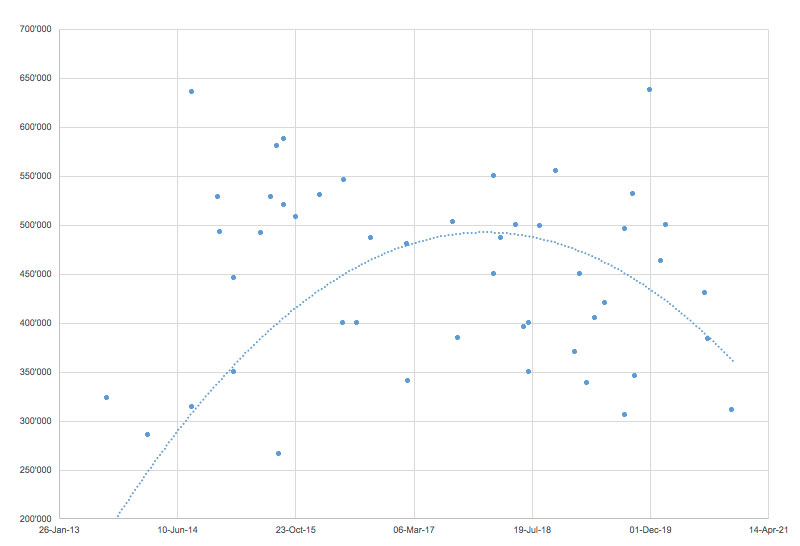
In general, the 2010s brought an enormous boom for classic cars. Never before had there been so many old cars, never before had there been so many enthusiasts who wanted one. This resulted in constantly rising prices. Sought-after classic cars increased in value by double-digit percentages within a year. A slow turnaround took place from 2015/2016 onwards, but the majority of old cars are still worth significantly more in 2020 than they were ten years earlier.
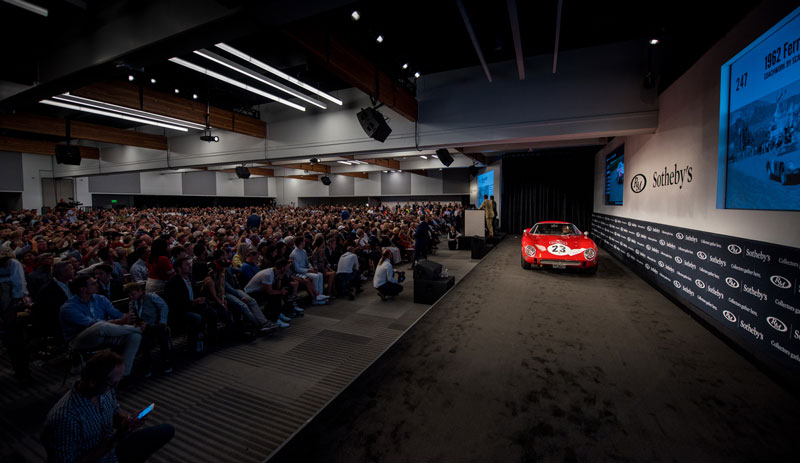
Records were set, hardly a year went by without hundreds of records being broken. On August 25, 2018, Rm/Sotheby's sold a 1962 Ferrari 250 GTO for USD 48,405,000, setting the auction record for the decade. Even the cheapest car in the top 20 changed hands for USD 17.6 million. New records were also set in 2020, even if this was less frequent.
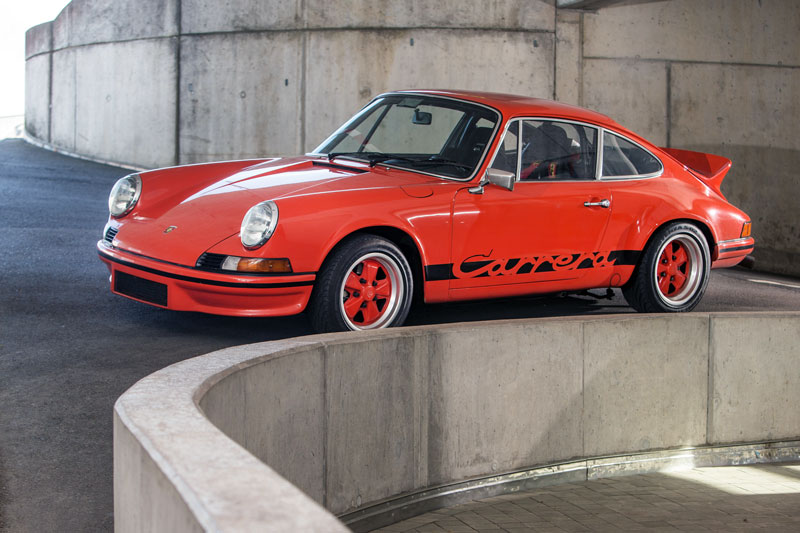
Year after year, classic cars worth hundreds of billions changed hands, a business of considerable volume and appeal. It should come as no surprise to anyone that a number of frauds occurred as a result and that one or two Porsche Carrera RS 2.7s appeared in public in multiple versions with the same chassis number.
The coronavirus pandemic is forcing auction houses to think more online. At the same time, new internet auction companies are springing up almost on a weekly basis.
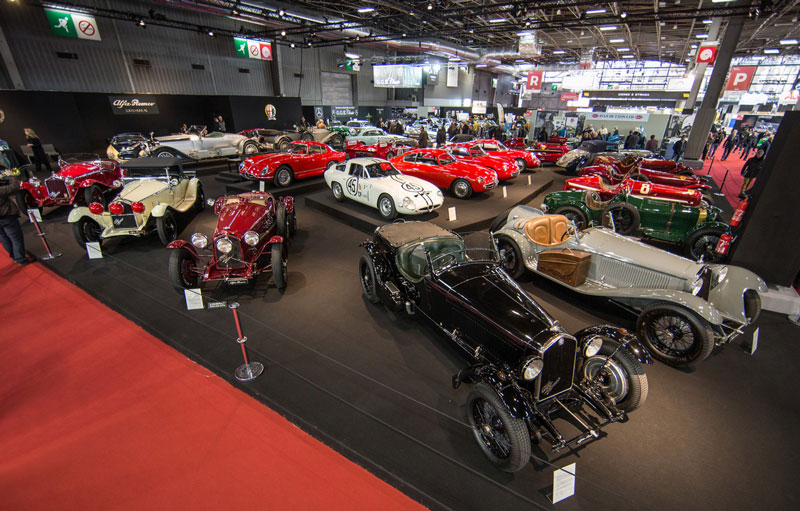
It was not only the auction business that benefited from the vintage and classic car boom. The number of events on offer increased year on year, and the battle for participants grew. Even the number of trade fairs on offer increased, while at the same time the major public fairs in Paris, Essen, Stuttgart and Padua continued to set new attendance records. The sudden standstill in the coronavirus year 2020 felt all the more abrupt.
Increasing importance of originality and history
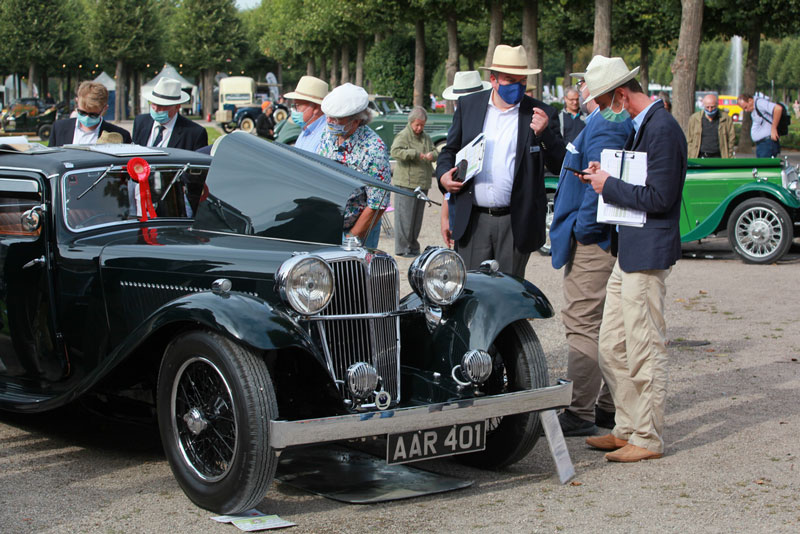
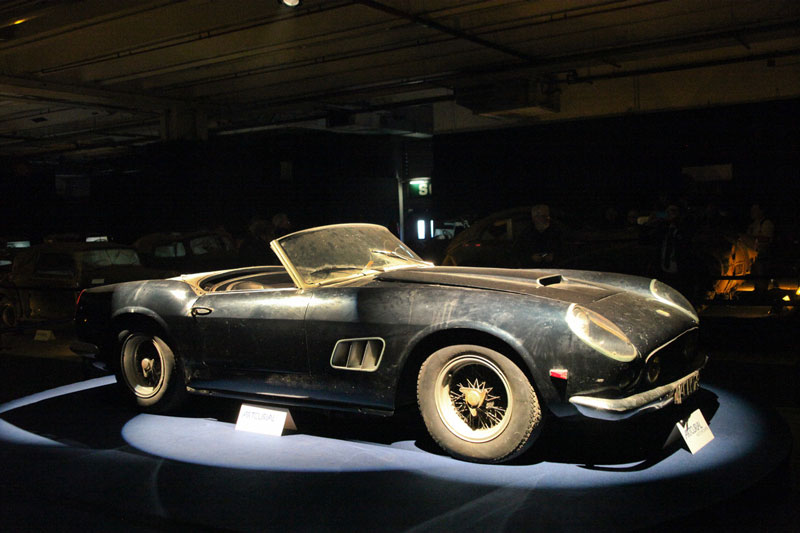
While a few decades ago, perfectly restored classic cars, primarily from the pre-war years, were the stars of the big concours, the demand for originality and unaltered classic cars grew in the decade. Which brings us back to the Baillon collection, from which two almost untouched classics from Maserati and Ferrari were auctioned alongside many ruins. The Ferrari in question was a 250 GT Spyder California, once driven by Alain Delon and ultimately sold for USD 18.6 million at the auction in February 2015. Even top-restored examples with a much more exciting history have not achieved this.
Never before has so much research and documentation been done to give classics their identity and preserve their history. Online media, such as zwischengas.com, are of course also in demand in this context, which certainly explains part of our growth.
The rise of the young classic
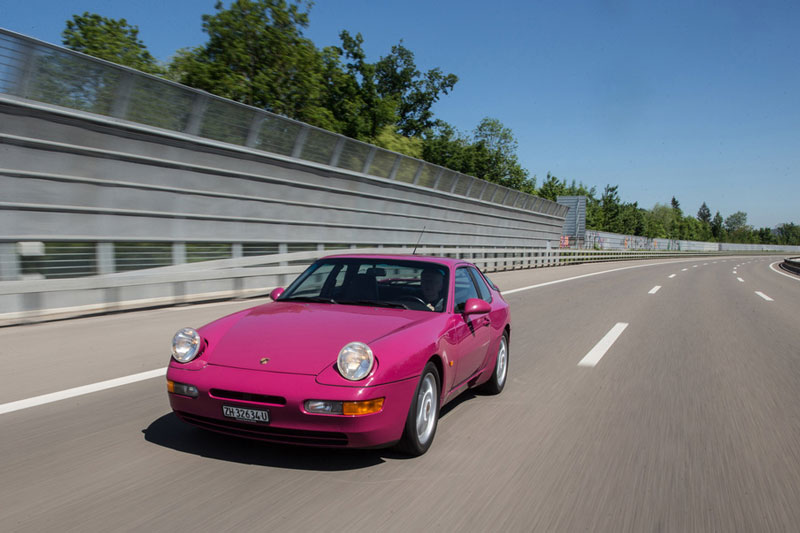
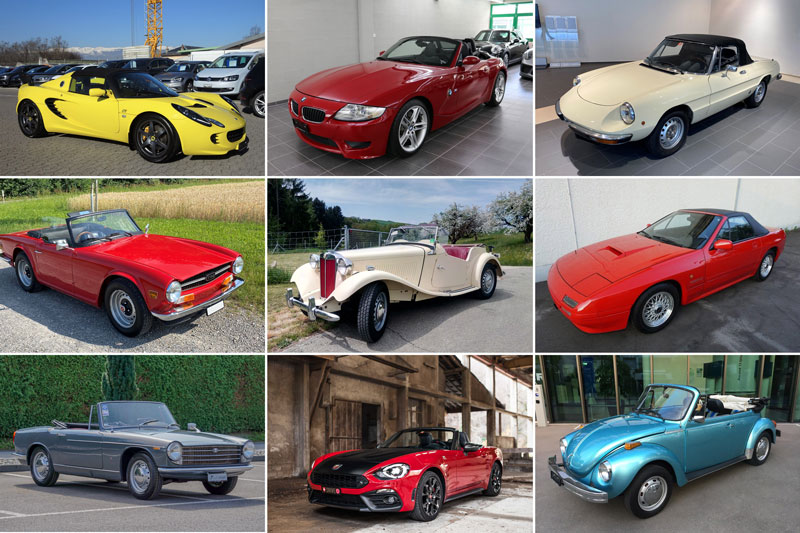
In the decade the classics became younger and younger, the new category of neo-classics emerged, which not only made it into the auctions of the major suppliers, but even appeared at concours events. And suddenly Lamborghini, Pagani and Koenigsegg appeared in the lists of auction records.
To stand or to drive?
With traffic getting heavier and heavier and super and hyper sports cars in the neo-classic segment becoming almost impossible to drive in everyday life, actually driving the old car on public roads is becoming less and less important. Trackdays and historic racing events, on the other hand, have become increasingly important. But for some classic cars, even safe environments are too risky, and the vehicle becomes a stationary vehicle, an investment vehicle. In the mid-teens, funds and investment clubs based around historic vehicles enjoyed great popularity, which is hardly surprising given annual profits of 10 or 20 %. However, the euphoria died down again from 2017.
Generational question
The question of who the classic car enthusiasts of tomorrow will be was one of the most discussed. Many enthusiasts lack the next generation, so it's no wonder that extensive classic car collections went under the hammer. Will today's young people still drive or love old cars in the future? A definitive answer could not be given in the decade. Unfortunately, a recipe for increasing car enthusiasm again was not found.
The threat of driving bans
In the wake of the particulate matter debates and the climate movement, the old car also came under attack. Some cities, including Paris, imposed driving bans, excluding youngtimers from traffic, for example. Although it was possible to obtain an exemption for "real" classic cars in many places, it is unclear how long this will last.
Looking back, it can be said that the decade of the classic car is now coming to an end. If a classic car enthusiast from the 1980s had traveled to 2015 in a time machine, he would not have believed his eyes. Auctions with sales in the hundreds of millions in one evening, classic car meetings with more than a thousand participating cars, historic events with entry fees in the five-digit range - all this would have been unthinkable in 1985.
But what do you think? Have we summarized the key developments of the decade correctly? Is something important missing? Comment, add to it! This is exactly why we created zwischengas.com, now it's your turn!