Renaissance of simple cars?

Modern cars are getting smarter and smarter, taking more and more of the "work" out of driving. Many drivers have already forgotten how to turn on the lights or windshield wipers by hand. The manual gearbox and the foot-operated clutch are now obsolete. A modern passenger car, even a convertible, hardly lets you feel the speed anymore. And shields you more and more from the technology.
At the same time, the speeds at which you are allowed to drive are becoming increasingly regulated, and overtaking is almost unthinkable due to the heavy traffic. In urban areas, the speed limit will soon be 50 km/h across the board, and even on freeways it will rarely be possible to drive faster than the former speed limit.
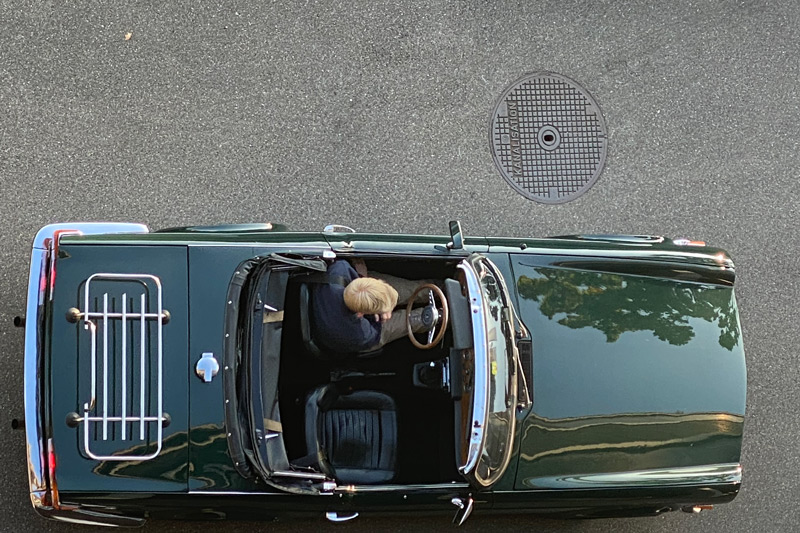
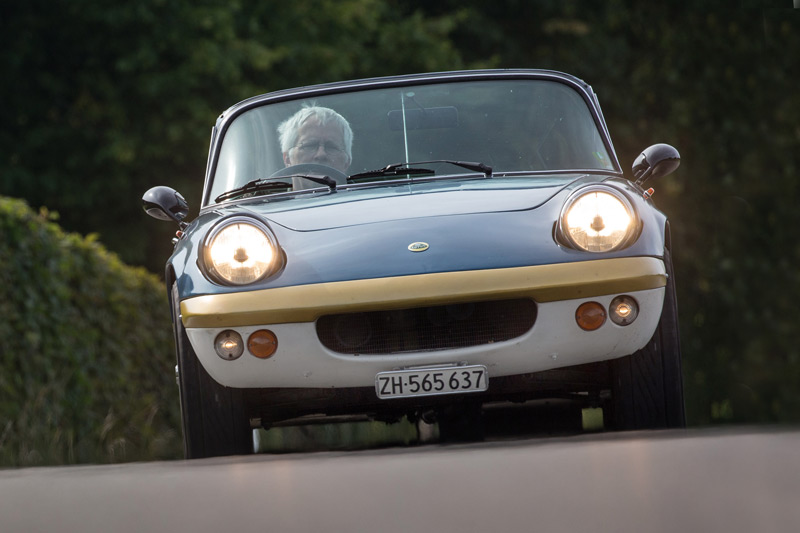
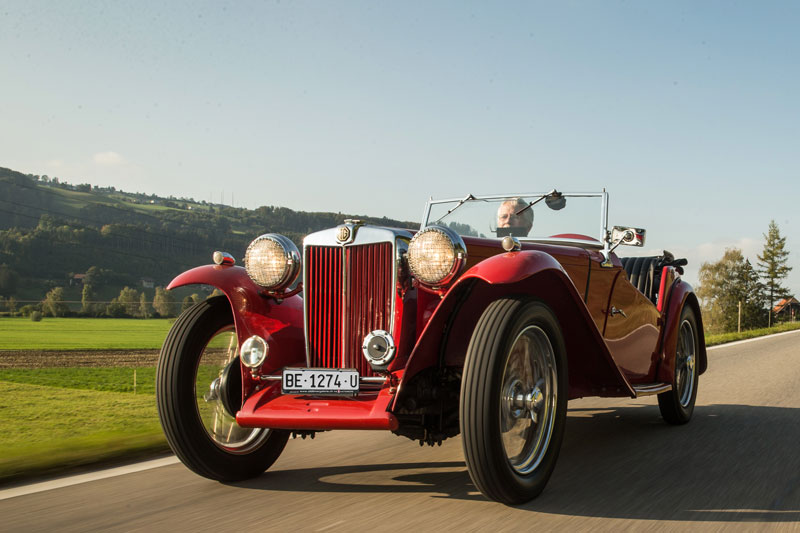
If you are frustrated by all this and are looking for a real change, we recommend getting into a rustic post-war car of the MG TC or TD type. Of course, it can also be a real pre-war classic, but the differences between cars from the thirties and fifties are not huge. The main thing is that you really get to work. This includes the starting ritual with choke and a carefully operated accelerator foot. Then there's the proper changing of gears with intermediate clutch and intermediate throttle. Finally, modulating the brakes and reading the terrain and road so as not to make it too difficult for the presumably slender motorized vehicle. Naturally, a watchful eye is also kept on the various displays. Is the water getting too hot? Is the oil pressure correct? Is the battery voltage about to run out?
Yes, you're pretty busy in a car built in 1947 (or thereabouts). The speed doesn't play a big role at all and even 80 km/h becomes a challenge. But when you arrive at your destination, which may not be too far away, you'll be much happier getting out of the little sports car than your neighbor, who is parked right next to you in his modern MeBAReSkEl. Guaranteed!
Perhaps we'll be celebrating the renaissance of simple pre- and post-war cars in the coming decade?