Sunk costs: What opponents of combustion engines could learn from economists


In economics, there is the term "sunk costs". There is no really good translation for this, because "sunk costs" sounds kind of weird. The point is that money that you have already spent is often no longer relevant for future decisions.
For example, if I have paid far too much for my home, this can have no influence on the question of whether I should replace the carpet or not. The carpet costs exactly the same and whether it is needed is determined by the condition of its predecessor.
Or if I have bought a very expensive radio set, but the transmission of the frequencies necessary for its operation is stopped, then these former costs will have no effect on whether I buy an expensive or cheap replacement set, at least from an economic point of view.
You could think similarly about CO2 emissions from cars. If a car has already been built, then the CO2 emissions produced are history and are no longer relevant when deciding how much damage this car does to the environment. A new battery-electric car that is yet to be built must therefore be measured in terms of CO2 emissions, including the emissions generated during construction, against those generated by the pure operation of a petrol car that is already on the road.
If we had to immediately replace all cars with petrol or diesel engines currently on the road with newly produced electric cars, then the resulting CO2 emissions, which in the case of battery-electric cars are generated to a large extent during construction, would initially significantly worsen our carbon footprint. However, the situation is different when you compare cars that are to be newly produced, and here, of course, cars with petrol engines also produce significant CO2 emissions.
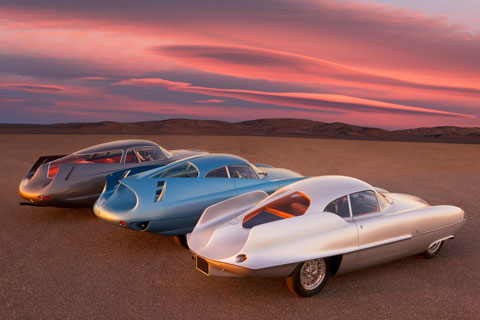
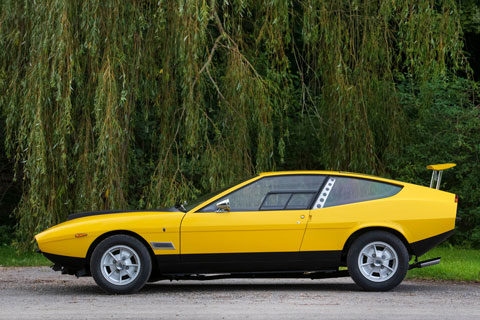
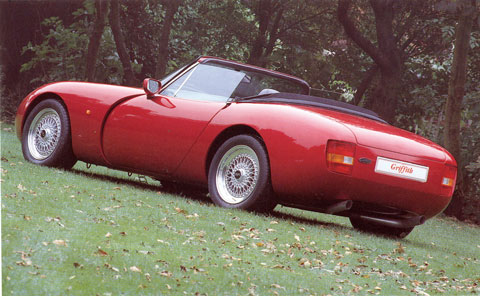
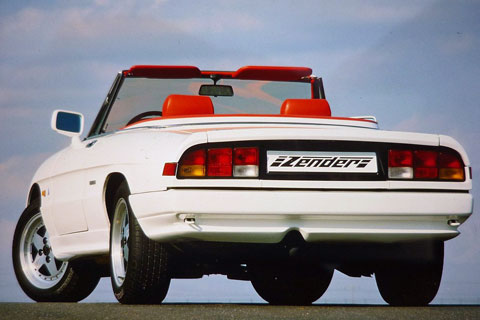
To cut a long story short: a classic car that is used sparingly will have a significantly lower impact on the environment over many years than a newly produced electric car that is driven a lot. And with synthetic fuel, the calculation could turn out even more in favor of the classic car, but only if the sunk-cost principle is abandoned ...