The sensible cars from Bertone
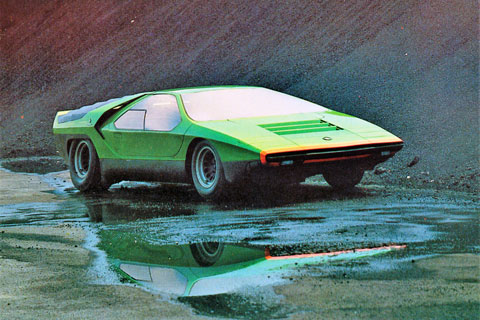
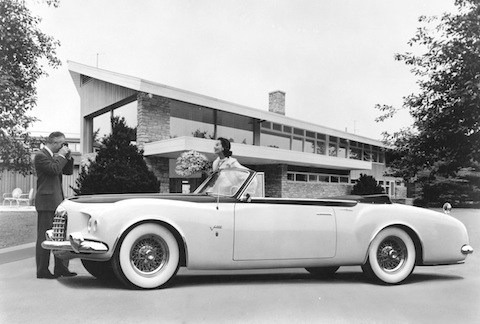
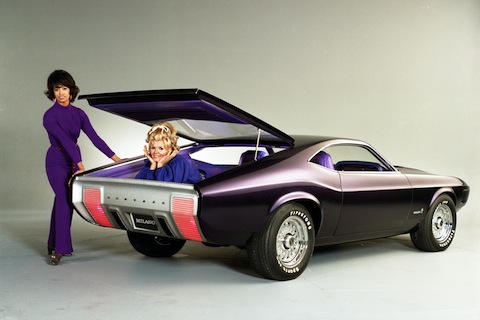
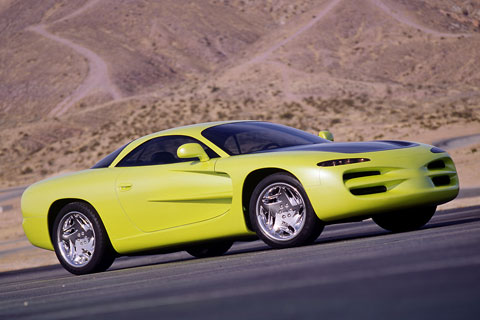
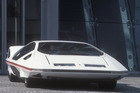
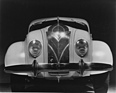
The table of contents of the book "Bertone - Pioneers of Car Design" lists 320 car models designed by this car design company in Turin, some of which were also produced on site. They include 66 "dream cars", concept studies that were intended for possible production in the future. Naturally, these one-offs stood out with their futuristic and aerodynamic shapes, and at international motor shows they served as unmissable eye-catchers. However, Carrozzeria Bertone also developed cars with an emphatically sober yet elegant design, which were ostensibly geared towards pure practicality.
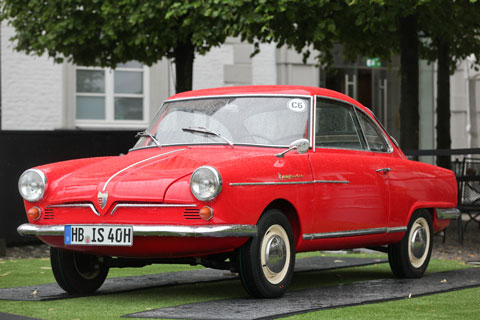
From 1959, Bertone designed and built the Sport-Prinz, a beautiful small coupé, for the German small car manufacturer NSU in Neckarsulm. However, an equally elegant four-seater suitable for families was also designed in Turin. However, NSU preferred to build a body designed by its own designers, whose lines were inspired by the American Chevrolet Corvair.
Bertone also produced elegant and functional four-door mid-size family saloons, such as the Mazda Luce 1500 and the Simca 1301/1501, both from 1964. Bertone also worked on four-door mid-size cars for BMW, after several hundred BMW 3200 CS coupés had already been built at the Turin body plant between 1961 and 1965.
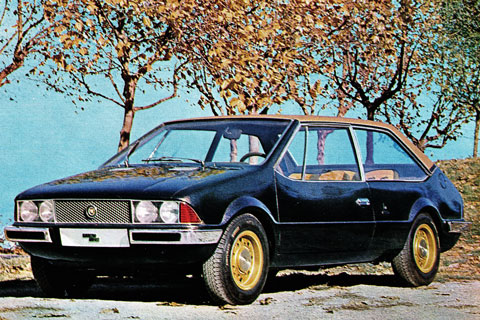
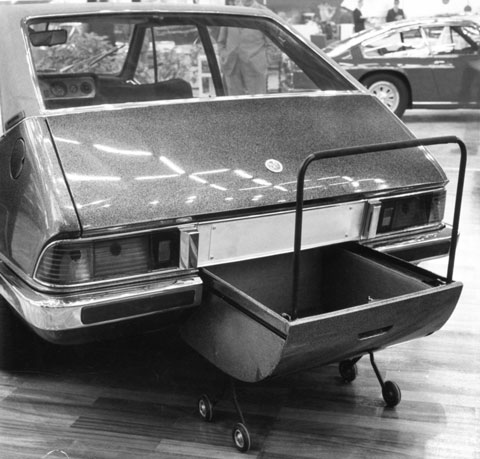
The Fiat 128 Coupé 4 Posti from 1969 (top picture) was a masterpiece of perfect form. With this four-seater, Bertone demonstrated how a small family car could be designed to be as perfectly shaped as it was future-oriented... even with a shopping trolley or Caddy that could be retracted into the trunk.
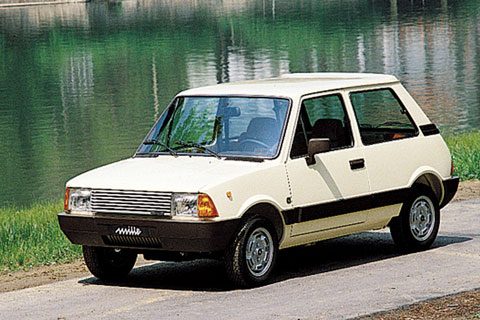
When the English Mini was also produced under license by Innocenti in Italy, Bertone designed a modern, more elegant alternative. Because it was 8.5 cm wider, it could also be registered as a five-seater. It continued to be built from 1975 to 1992 under the name Innocenti Mini and later Mille and Small.
A pioneering Bertone proposal was the "compact high-roof estate": Citroën launched the Berlingo model on the market in 1996. It not only replaced the brand's previous vans, but was also a large estate car in a small format.
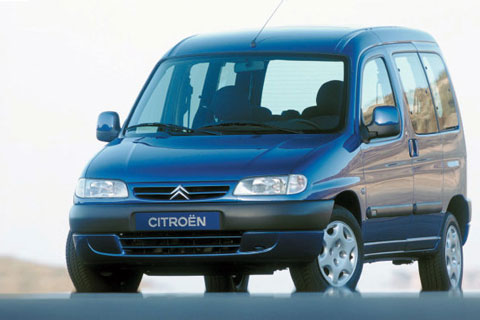
It was designed and co-developed by Bertone. Citroën wanted to equip it with standard rear side doors, but Bertone advocated sliding doors... Today, practically all car manufacturers offer versatile "rational models" in the style of the Berlingo.
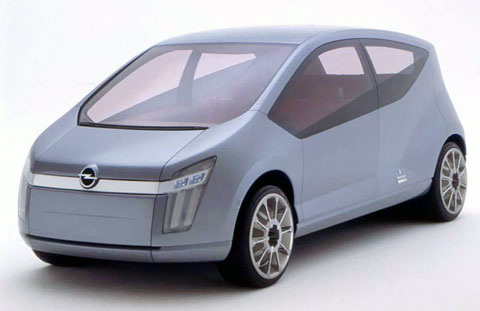
The Bertone Filo concept study from 2001, a compact van based on the Opel Zafira, was also characterized by pure rationality. It was developed together with the Swedish industrial group SKF. The Filo research prototype was characterized by "drive-by-wire", i.e. a control system that was no longer dependent on mechanical transmission. The entire steering and control unit could be swiveled from a central position between the front seats either in front of the left or right front occupant, and twist grips instead of pedals were reminiscent of motorcycling.