Faster than 300 km/h

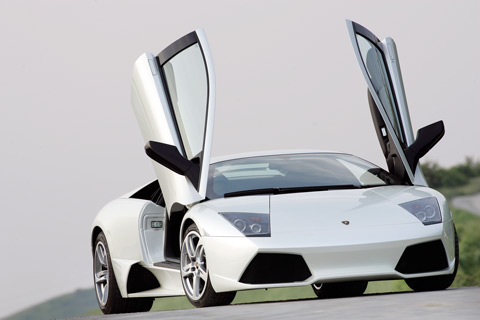
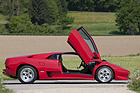
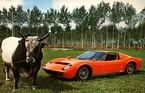
High top speeds have always been the goal of sports car manufacturers. When it was possible to reach over 250 km/h in the sixties, that was quite something. Cars such as the Lamborghini Miura, the Ferrari 365 GTB/4 Daytona or then again the Lamborghini Countach and the Ferrari 365 GT4 BB / 512 BB all reached speeds of around 280 km/h, they just couldn't crack the 300 km/h mark. Of course, the racing cars had already achieved this in the sixties, with the Porsche 908 and 917, for example, driving along the Hunaudiéres at well over 300 km/h in Le Mans.
However, road sports cars still needed some time before the 300 km/h "sound barrier" could be broken. This was only achieved in the 1980s, but then things went from strength to strength.
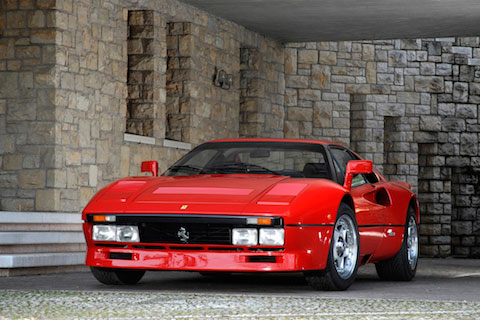
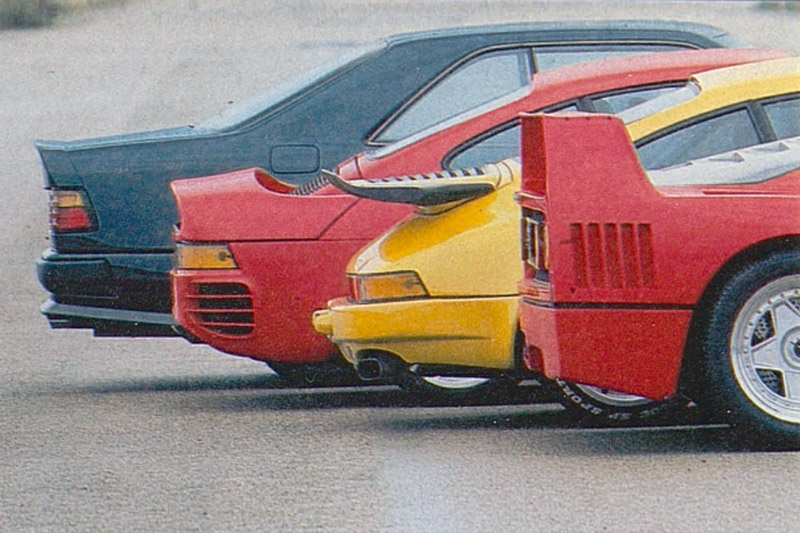
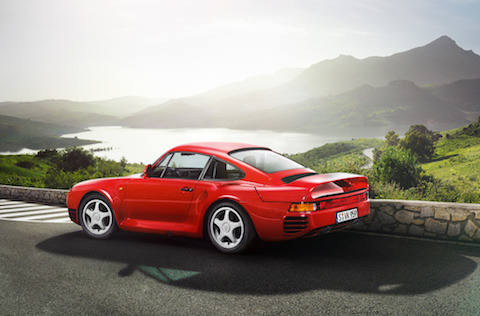
The Ferrari 288 GTOmanaged 305 km/h (depending on the measurement), the Porsche 959 (picture above) even 317 km/h.
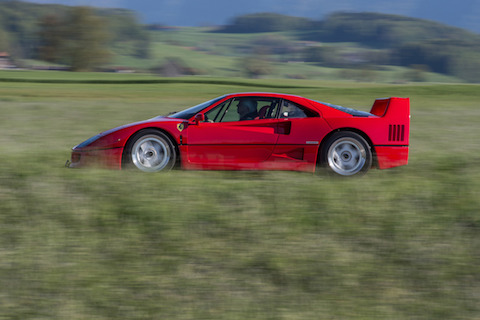
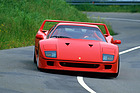
The Ferrari F40ran at 321 km/h and the Aston Martin V8 Zagato is also said to have exceeded the 300 km/h mark.

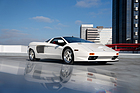
In the nineties, it was good manners for super sports cars to show many numbers with a 3 on the front of the speedometer, so of course both the Cizeta V16T and ...
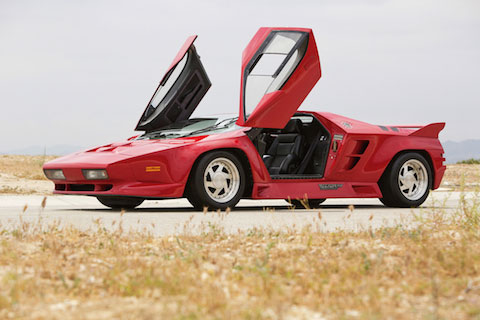
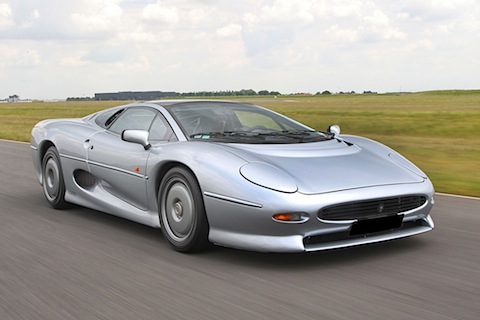
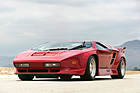
... the Vector W2, the Bugatti EB110 or the Jaguar XJ 220 ran significantly faster than 300 km/h. Performance well in excess of 300 hp was required and the aerodynamics could not be compromised.

However, the fastest sports car of the time was the enormously expensive McLaren F1, which managed to reach around 370 km/h, significantly less than 400 km/h.
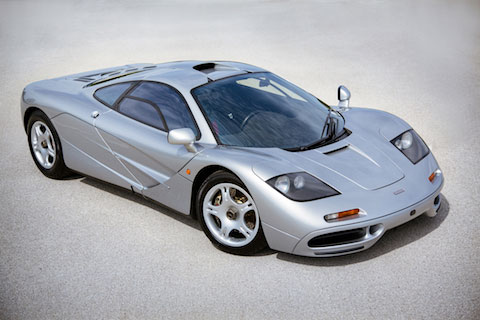
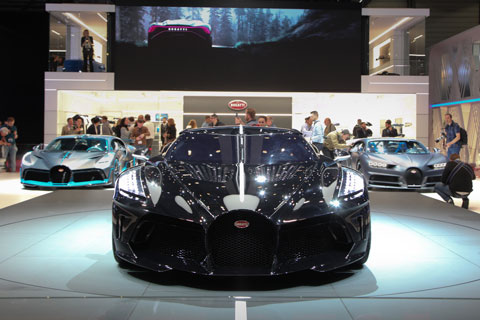
The super sports car manufacturers then struggled for quite a while to overcome this next hurdle of 400 km/h.