That too is progress - how electric drive technology is shrinking

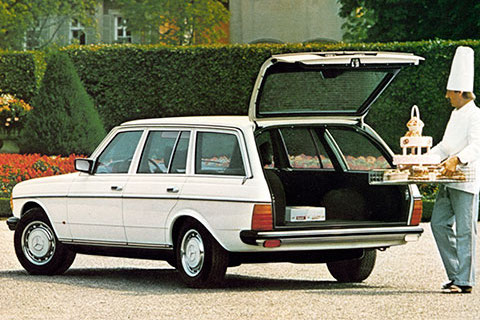
It is well known that electric vehicles have been around for more than a century, and at the beginning of the automotive era they were even the most customer-friendly cars of all, but then fell behind due to their limited range. This only really changed in the modern era, but car manufacturers always tried to incorporate this simple drive technology into their series-produced cars, including Mercedes-Benz in the W123 in 1982.
The Mercedes-Benz research electric car , shown at the 1982 Hanover Fair, had an electric motor with 41 hp and a nickel-iron battery pack weighing 600 kg. It is said to have been capable of 80 km/h and had a range of 100 km, if that. At least the battery pack was easy to change, as it could be pulled out like a drawer, but took up practically the entire trunk and probably generated a rather rear-heavy driving behavior.
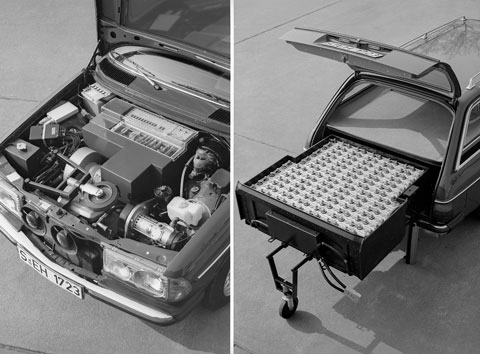
... So much for the Mercedes-Benz, now a three-decade leap in time ...
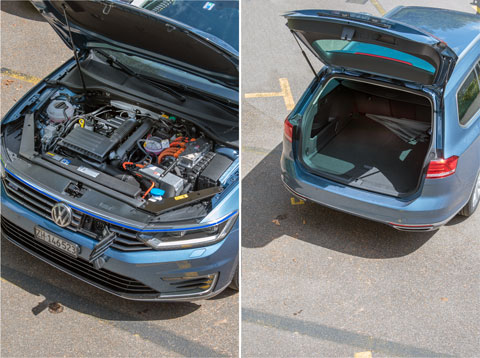
A good 30 years later, the people at Volkswagen manage to fit all the electric drive technology into the Passat in addition to a normal petrol turbo 1.4-liter engine without imposing any further restrictions on the crew, apart from the increase in weight. This means that the luggage compartment remains completely intact, as does the driving performance. They are even better.
The modern electric motor is also significantly more powerful (115 hp) and the battery pack with a capacity of 9.9 kWh (for a range of "only" 50 km) is considerably lighter than three decades earlier. The total additional weight of the electric drive and storage technology is around 300 kg. This is real progress.
However, it is still very unclear whether the VW Passat GTE, with all its complexity, will ever reach the age of a classic car, whereas the W123 has of course long since achieved this.