The new classic cars in 2019

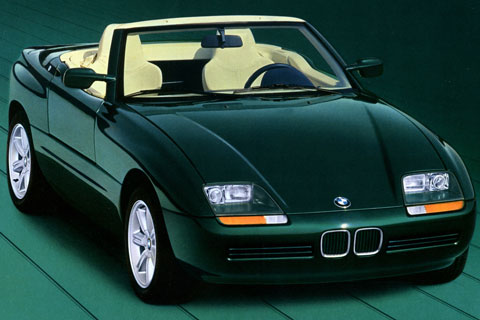
It is somewhat surprising to see which cars will be able to enjoy H license plates or veteran registrations next year (2019). Some of the ten cars shown here (there are of course many more that could have been shown) make you wonder why 30 years have already passed since their launch.
The BMW Z1 (pictured above), for example, still looks young and attractive today. Only the relatively modest 170 hp reveal that the open-top sports car with its plastic body is from a different era. Its door concept has never been repeated since.
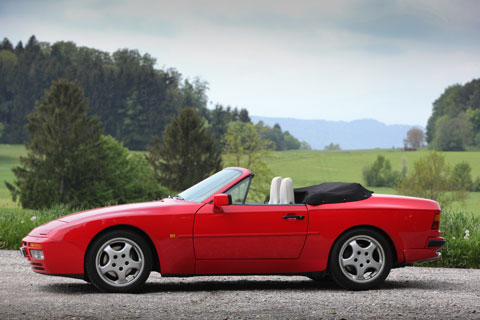
The 1989 Porsche 944 S2 Cabriolet was much more conventional. Equipped with the largest four-cylinder engine at the time, it offered open-top driving pleasure according to the classic recipe. And the roof opened electrically.
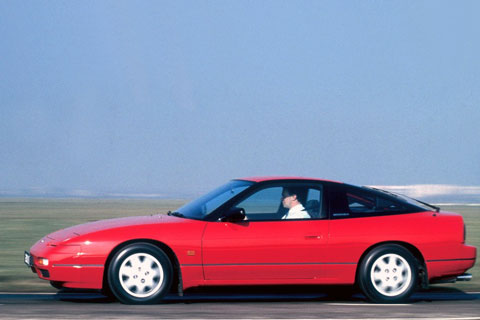
The Nissan 200 SX is probably much less well known and perhaps less remembered by many. Its ancestors date back to 1964, but in 1989 the fifth edition with folding headlights and a rounded design was launched on the market in this country with the S13. The powered rear wheels and the four-cylinder engine with plenty of performance-enhancing potential made the car a favorite child of the (Hollywood-inspired) tuning industry.
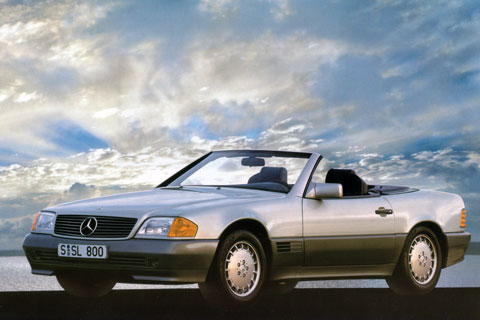
The Mercedes-Benz SL of the R129 model series really needs no introduction. The fact is that the highly complex automatically opening and closing roof has been providing comfort for convertible fans for 30 years. Bruno Sacco provided the design, which still looks elegant today.
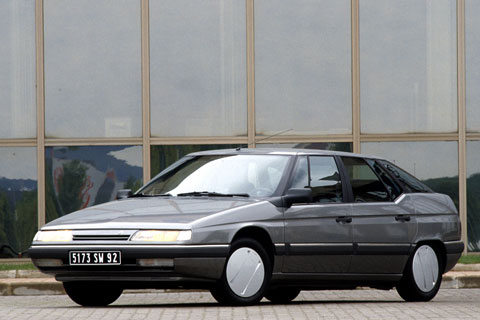
The Citroën XM inherited the CX, the design came from Bertone and was therefore much more angular than its predecessor. The hydropneumatic system was of course on board, as were other Citroën-specific elements.
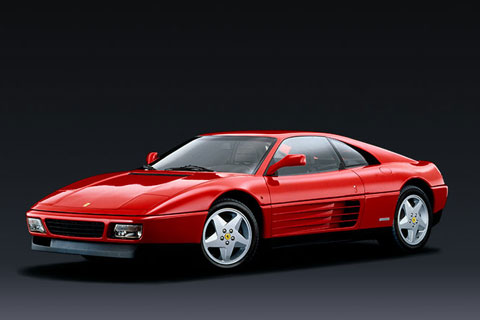
Pininfarina again created the Ferrari 348 TB, which followed on from the 328 GTB, but now had the mid-engine installed longitudinally rather than transversely. The side ribs were reminiscent of the Testarossa, but the 348 was significantly more compact.
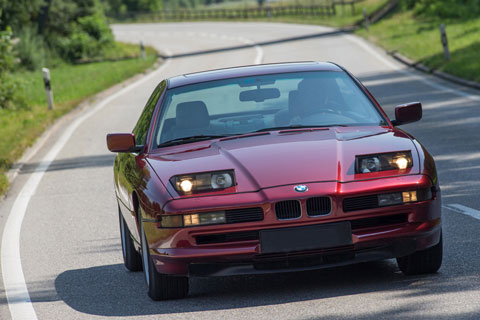
The BMW 850i was the Munich-based company's top product from 1989 onwards. With its 12-cylinder engine and elegant coupé design with folding headlights, it immediately won the hearts of car fans young and old.
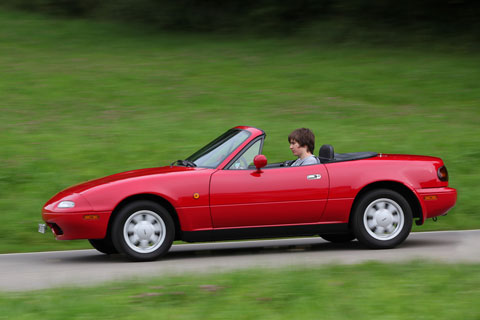
With the Mazda MX-5, Mazda really set the convertible boom in motion. Its design was reminiscent of the blissful Lotus Elan of the sixties and with its rear-wheel drive and relatively low weight, it also appealed to cross-country drivers. And the fact that it still exists today (with several revisions in between) proves how right Mazda was with the MX-5 in 1989.
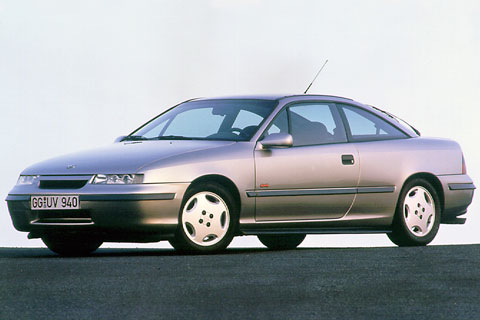
In contrast, there is no modern successor to the Opel Calibra. The Calibra had to inherit the Manta and it actually did this quite convincingly. It was also available as a six-cylinder and with turbocharging, and even four-wheel drive was available. On most models, however, the driven wheels were at the front. Eight years of production, then it was over. Without a real successor.
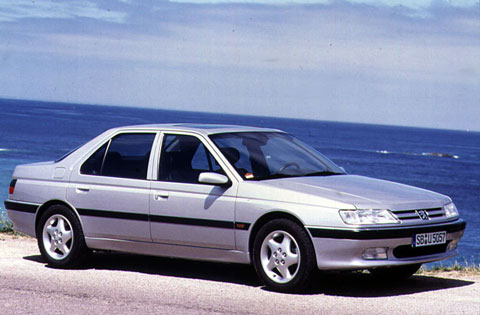
The Peugeot 605 was considered an upper mid-range saloon, shared the platform with the Citroën XM and thus offered front-wheel drive and engines with four and six cylinders. The design came from Pininfarina.