The great cars of the nineties

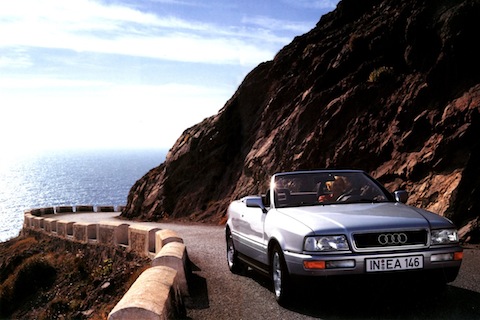
The cars of the nineties are not yet classic cars, and some hardcore classic car enthusiasts would probably even say that they will never be "real" classic cars. They are too modern, too close to today's new cars, too uniform, perhaps even too perfect.
We see it differently! The nineties in particular produced a large number of attractive cars that we wouldn't want to miss, especially as we already drove some of them as new or young used cars back then, which of course makes them even more interesting.
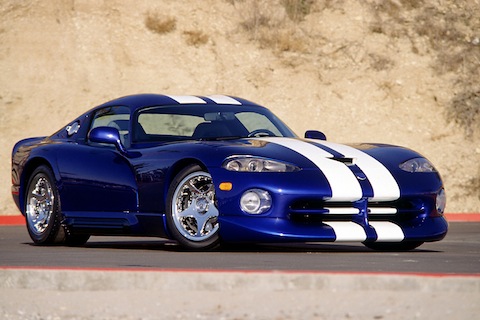
Let's give a few examples. The Honda NSX was a serious attempt by the Japanese to counter Ferrari and co with a high-tech sports car. The Bugatti EB110 was probably the best super sports car of its time, at least until the McLaren F1. The Americans gave us the Dodge Viper, a veritable descendant of the Cobra. And at the end of the decade, the Bugatti Veyron followed, the Bugatti from Germany, so to speak.
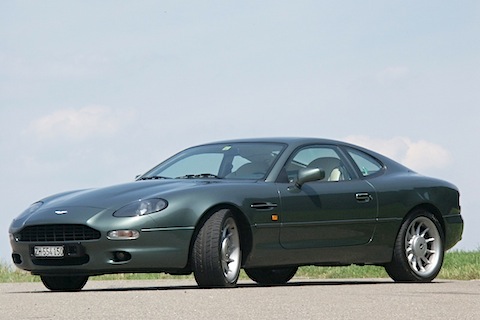
Of course, there were also much more civilian options for sporty driving in the nineties. The Porsche 968, for example, as the last descendant of the four-cylinder transaxle series, the BMW 850 CSi, the Bavarian luxury tourer, the Maserati 3200 GT, which freed the brand from Modena from the biturbo era, or the Aston Martin DB7, with which the British set off for new heights.
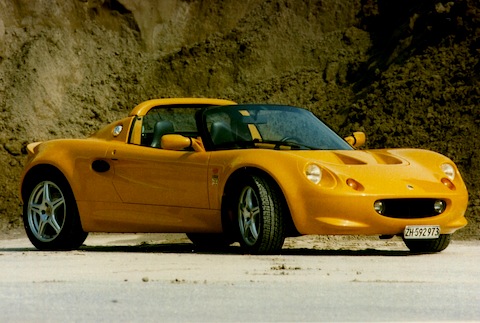
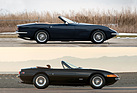
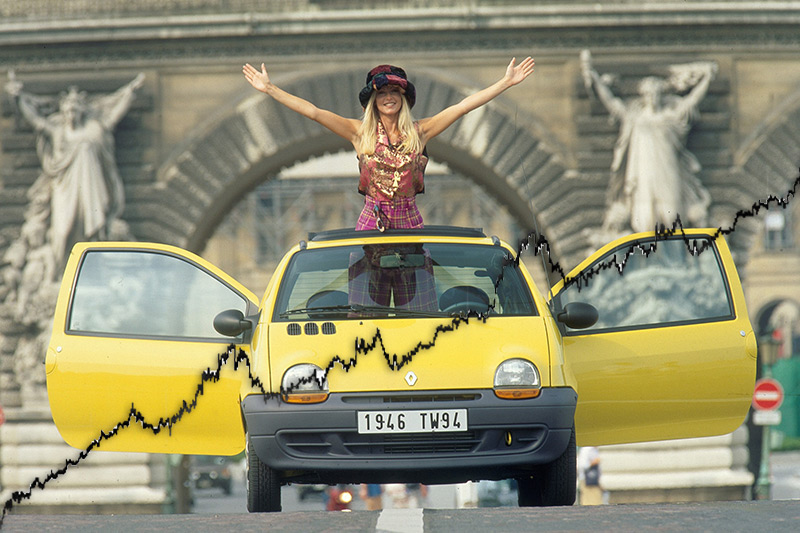
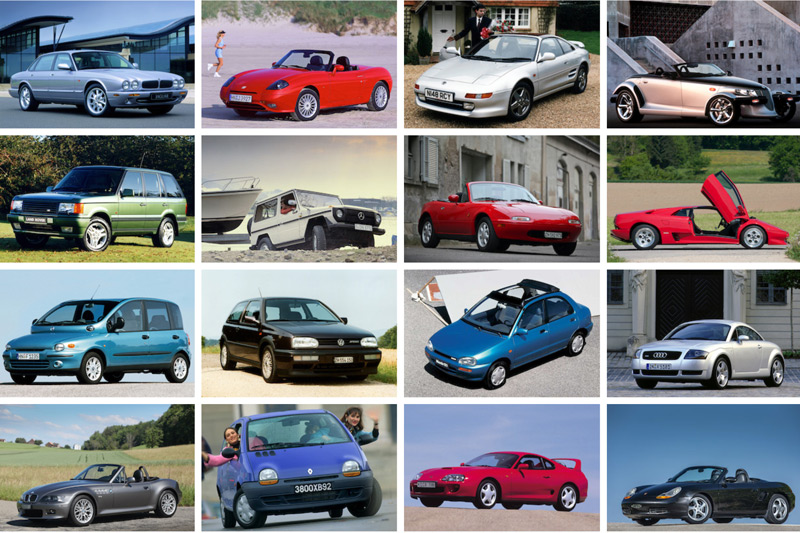
And there were also attractive cars for less money that are fondly remembered, e.g. the Audi Cabriolet (pictured above), the Lotus Elise, the Porsche Boxster, the Fiat Coupé (officially called the "Coupé Fiat", often with a five-cylinder engine), the Audi TT, the Renault Twingo, the VW New Beetle or the BMW Z3 (often as a coupé).
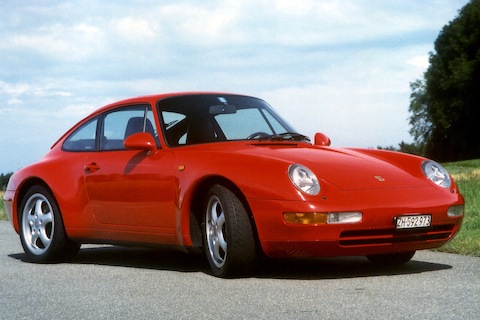
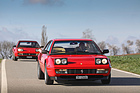
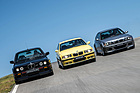
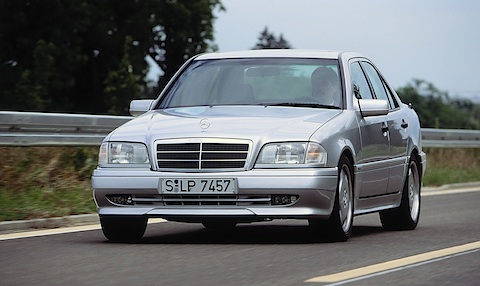
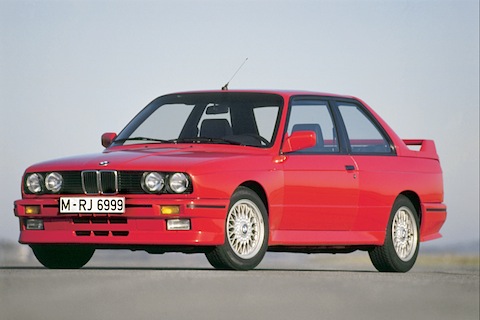
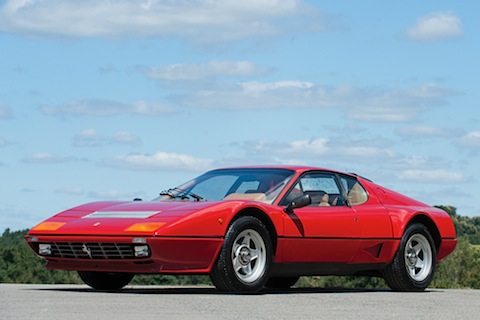
The list could go on almost indefinitely with exceptional automobiles such as the Mercedes-Benz 500 E, Ferrari 512 TR, Jaguar XJ220, Mercedes-Benz SLR, Jaguar XJR, Porsche 993, Ferrari F355, BMW Z8 and so on and so forth. We would also like to mention the Mercedes-Benz C36/C43 and the BMW M3 E36, which made super sports car performance possible in a mid-range saloon format.
However, there is one question that plagues even the fans of these cars. How will they age? Rust is (still) hardly a problem with most of these cars, but technical/electronic failures are. And many garages can hardly do anything with these cars, which are now 20 to 31 years old. The nineties saw the introduction of the CAN bus, for example, as well as the increasing expansion of ABS, ESP, etc. The cars of the nineties are certainly much more complex than those of previous decades. This requires specialists with the right equipment and the necessary understanding. But it's Christmas time, so you can make a wish! We hope that these cars can and may continue to drive on our roads as classics for many decades to come!
P.S. By the way, many of these cars have already been briefly described in our popular series "Classic pearls of the future" . And detailed reports on some of them have already appeared in Zwischengas. We can hopefully take a closer look at the others in 2019 ...
_RM.jpg)