The increasingly interesting nineties cars

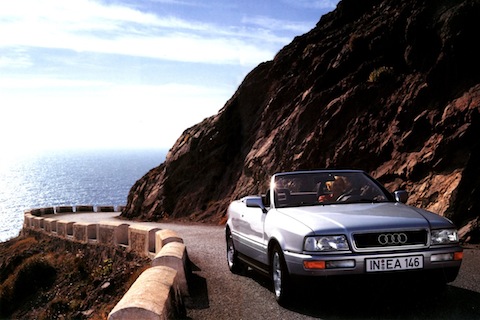
Today we see many of the cars sold in the nineties as used cars rather than classics, but in fact the early ones are already classic cars (1990-1993), while the later ones are already considered youngtimers (up to 2003).
What distinguishes many of these cars from those of the previous decade are significantly improved comfort and safety features. In many cases, ABS is just as much on board as airbag equipment or air conditioning. In terms of their overall characteristics, many of the vehicles from the nineties are suitable for everyday use without any problems, with only extreme representatives falling off the grid.
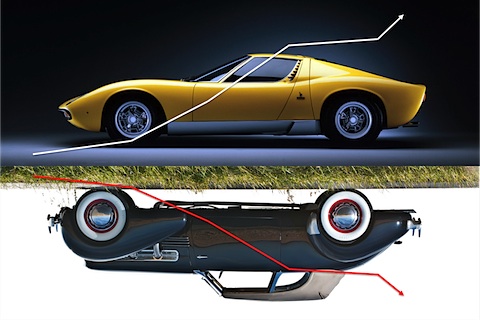
In most cases, the value of these vehicles is already increasing again, albeit in some cases at a low level, which is why you hardly have to expect any major write-offs. However, the increased complexity of these cars and the use of modern materials and components (keyword: electronics), which can make maintenance more difficult, should not be underestimated. And since all safety-relevant systems have to function at the TÜV or MFK, missing spare parts can, in the worst case, also result in the car being taken out of service. On a positive note, rust prevention and the general quality of 1990s cars is usually much better than that of 1980s alternatives (or earlier cars).
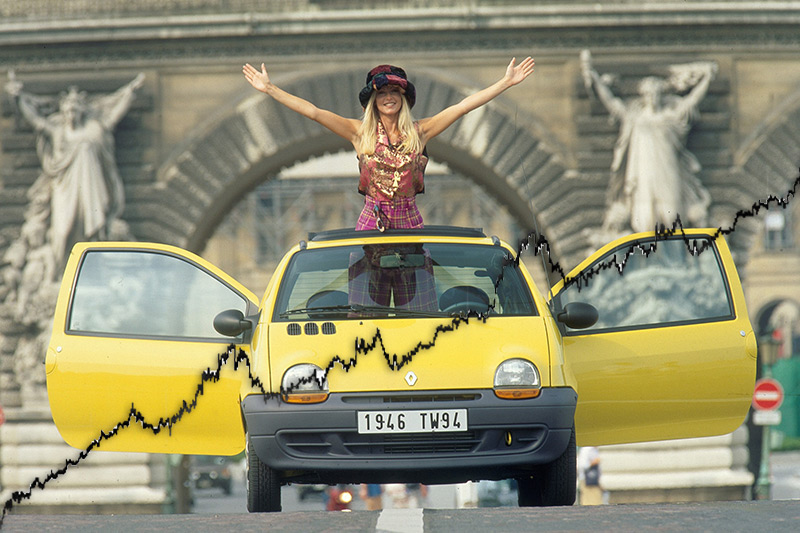
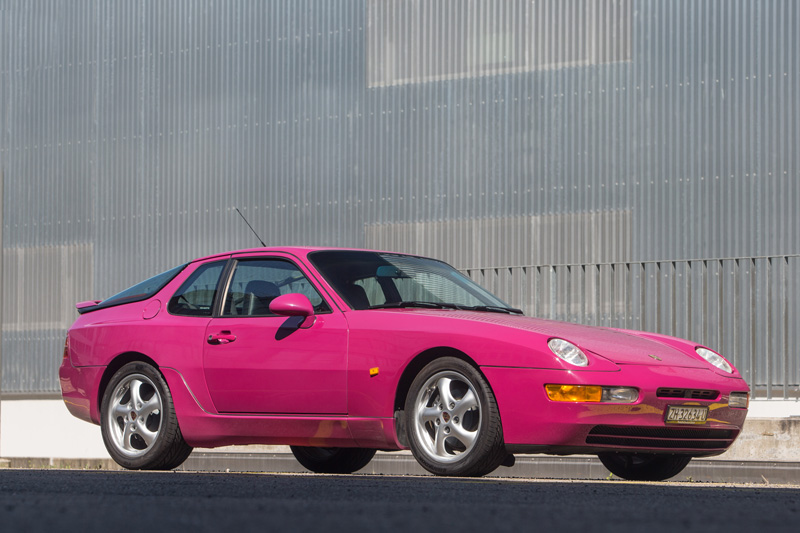
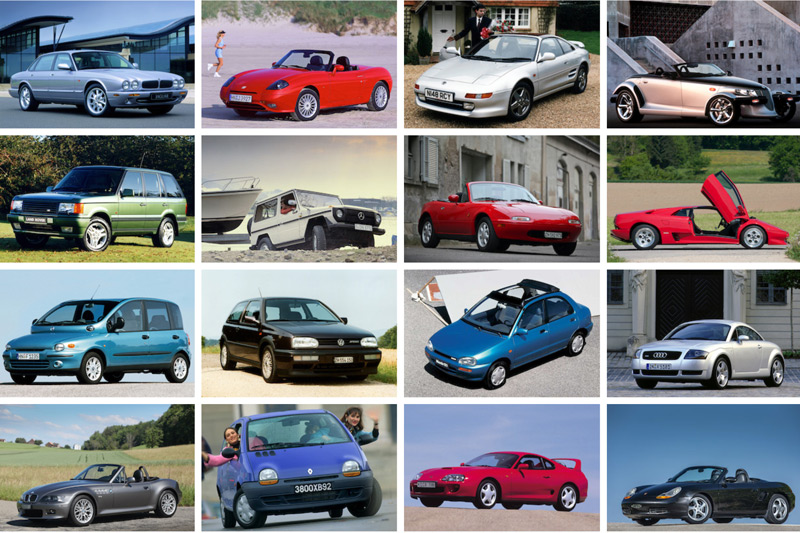
The selection of interesting cars built between 1990 and 1999 is simply enormous; looking back, this was a very exciting decade. There are quirky and attractive small and family cars such as the Renault Twingo or the Fiat Multipla. There are affordable sports cars such as the Fiat Barchetta, the Audi TT, the Mazda MX-5, the BMW Z3, the Porsche Boxster or the Volvo C70 Coupé/Cabriolet.
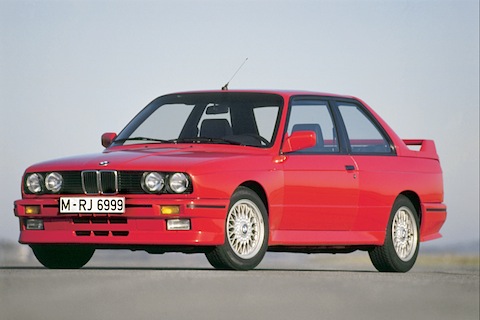
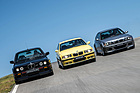
Of course, there was also no shortage of hot everyday cars such as the BMW M3 E36, the VW Golf VR6 or the Opel Lotus Omega. There were plenty of super sports cars anyway, including the Lamborghini Diablo, the Honda NSX, the BMW 850i and the Aston Martin DB7. And you can also enjoy limousine comfort in a Jaguar XJ or a BMW 7 Series. Even exotic car enthusiasts will get their money's worth with cars such as the TVR Griffith, the Lotus Elise, the resurrected Marcos or an MVS Venturi. And of course Morgan didn't stop building cars either. And these are just a few examples.
Some of the nineties cars have also become really expensive, such as an Audi RS2 Avant, a Mercedes-Benz 500E or, of course, the McLaren F1 and Bugatti EB 110S hyper sports cars. However, most cars from the nineties can still be bought for significantly less than their original selling price. How much longer will this be the case?
Logically, the cars from the last decade of the last millennium were no longer really analog, too many microprocessors and sensors were already installed back then. But they still feel pretty analog, because power steering was still hydraulic, electronic driving aids were still in their infancy and manual gearboxes were still standard equipment in many cars. Perfect for driving pleasure without sacrifices, one could therefore summarize, but perhaps our readers see it differently?