Lightweights in the truest sense of the word

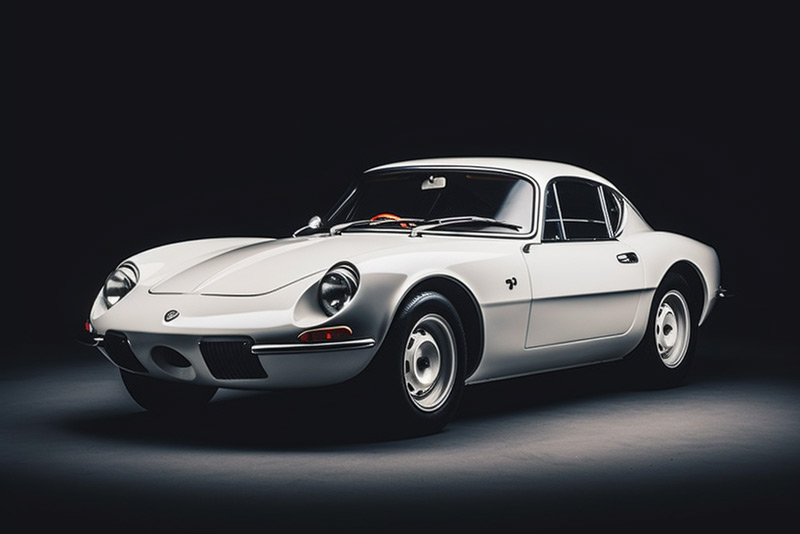
Would you have recognized the white car in the picture above straight away? Probably not. So here is a selection of possible answers:
a) Alpine A110, 1963, one-off by carrossier Henri Chapron, who also designed the open version of the Citroën DS
b) Dino 246 prototype built in 1966 by Marcello Gandini. However, the Commendatore of Maranello preferred the Pininfarina design for series production
c) Ginetta G1X design study from 1967 by Ivor Walklett, from which the Ginetta G15 then emerged
d) Triumph GT6 study (1963) by Giovanni Michelotti, who also designed the Triumph Fury prototype a year later
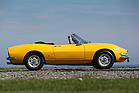
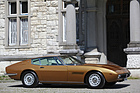
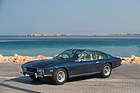
But no, none of the four answers are correct, although none of them sound completely unrealistic. In fact, the image was created in the computer, with artificial intelligence guiding the pencil, so to speak.
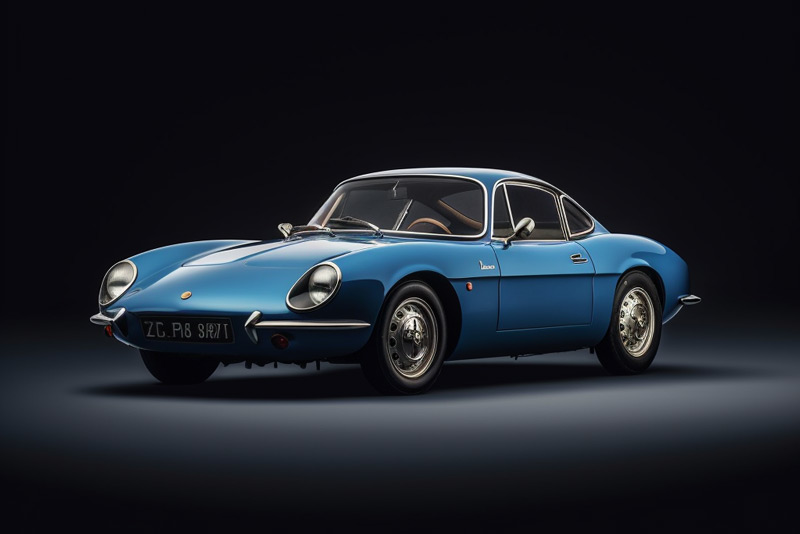
This was also the case with alternatives to the image ultimately chosen for the specific application, which was shown here earlier.
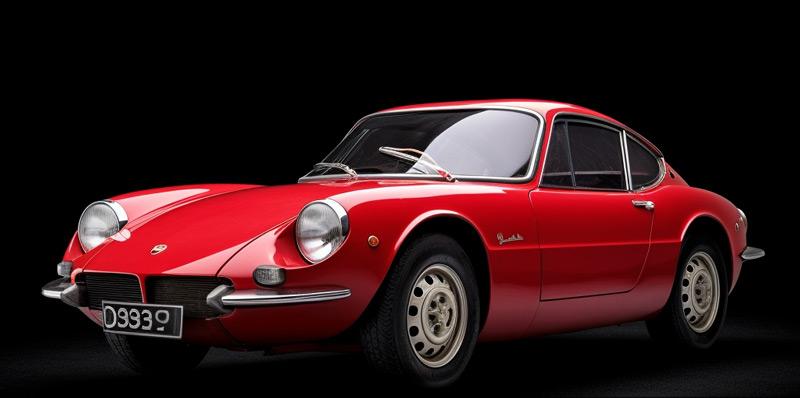
These other AI cars also look quite successful and could easily have been created in Italy or Great Britain in the 1960s.
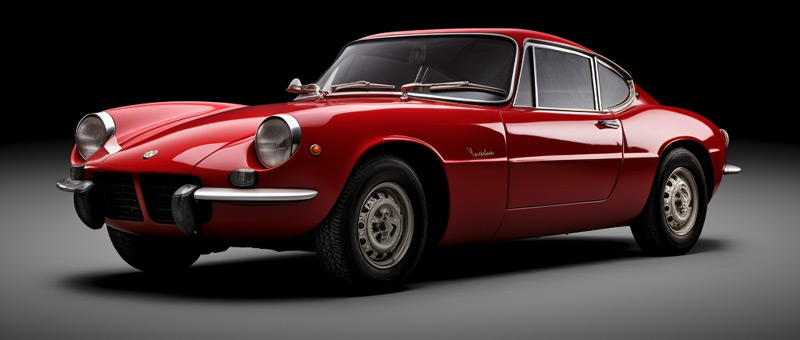
The brief to the computer was simply to design a 50-60-year-old closed sports car with a low weight.
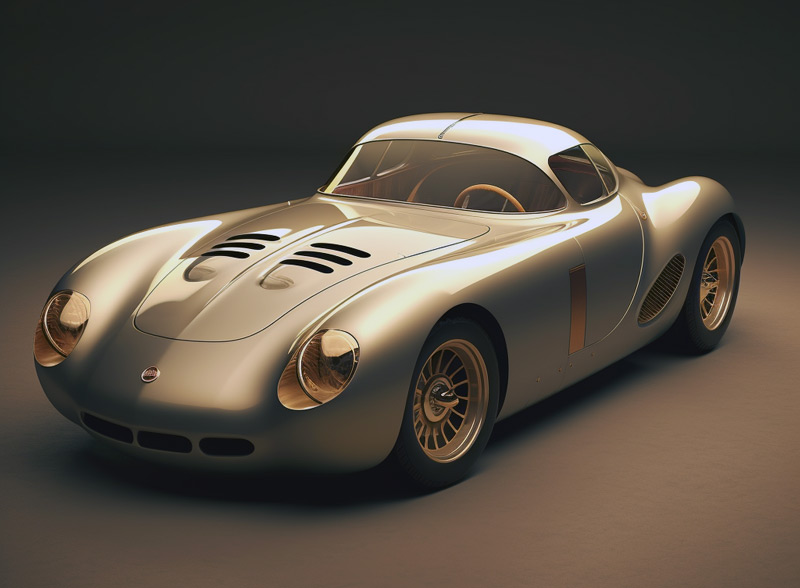
Some of the proposals are similar, while another goes in a slightly different direction. In all cases, real lightweights were created, as none of the vehicles weigh more than one gram, as they only exist virtually.
Incidentally, the images were created for the invitation to the meeting of the "lightweights" on August 27, 2023 in Kemptthal . The computer obviously did a good job, because even well-known classic car magazines were fooled and asked for ...