As you know, you can also look up the current market values of over 5000 vehicles on zwischengas.com. As we regularly do, we have just carried out a comprehensive update of the valuations and took this as an opportunity to delve a little deeper into the figures.
We compared the current prices for states 2/3 with those of 2013. Across the almost 5600 vehicle type/vintage combinations, the increase in value was 91% on average, i.e. the vehicles have become almost twice as expensive. A small comment in passing: the comparison does not take inflation into account, so cars that have increased in value by 10%, for example, may actually have lost slightly in value when adjusted for inflation.
However, the differences between the various cars are large. Around five percent of vehicles have lost value, on average around 10%. This includes many British post-war saloons, but also cars that were once so popular, such as the MG TC or variants of the Austin-Healey 3000.
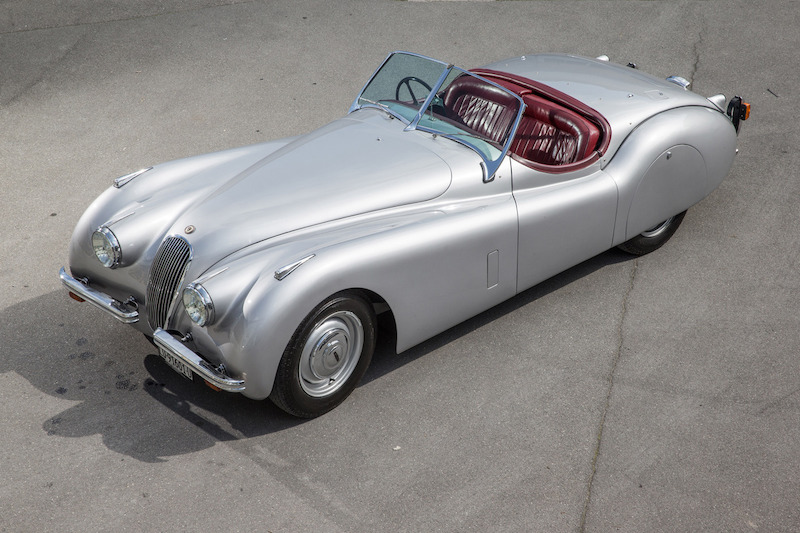
![Jaguar XK120 OTS (© Daniel Reinhard)]()
The segment of cars that have increased in value by up to 20% is larger, accounting for as much as 11% of the stock, including VW Bus T1 variants, the Jaguar XK120 OTS and the Fiat 124 Spider 1800 (CS1).
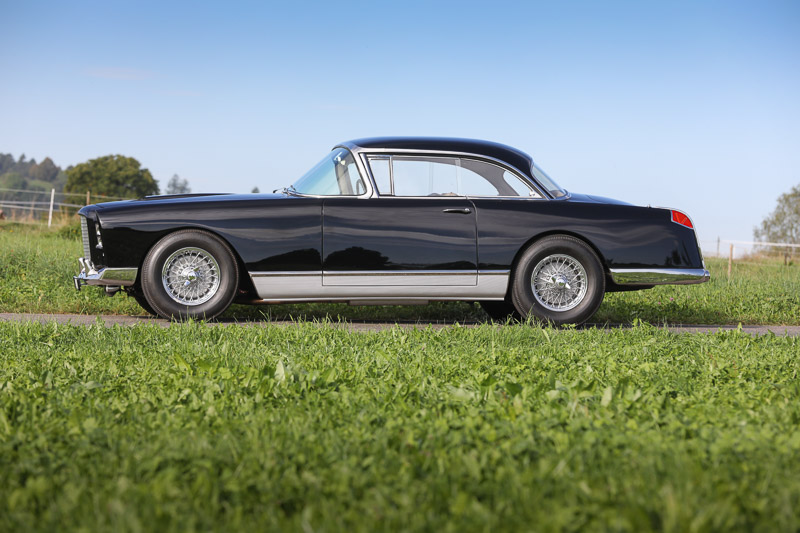
![Facel Vega HK500 (© Bruno von Rotz)]()
The list of vehicles whose value has increased by 20 to 50 % is even more extensive, namely 21 % of the stock. These include cars such as the Lancia Stratos, the Facel Vega HK500 and the AC Ace Bristol.
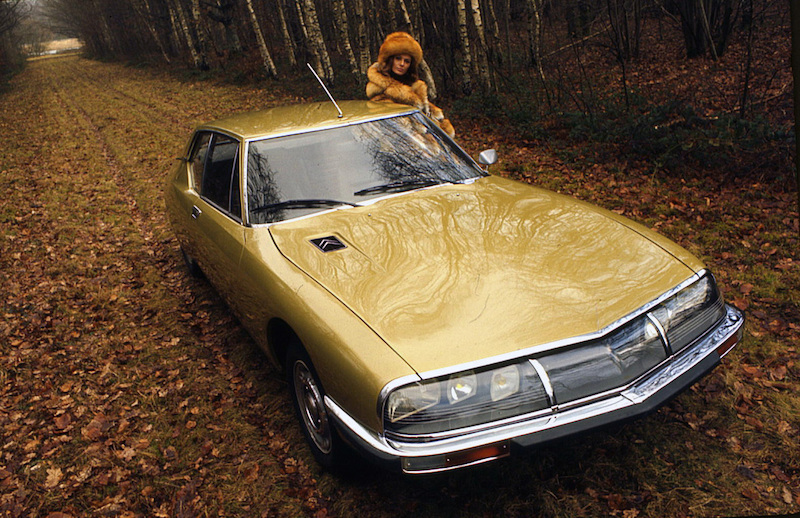
![Citroën SM (© A. Martin / Citroën)]()
29 % of all listed cars even increased in value by 50 to 100 %. These include vehicles such as the VW Beetle Export (1960-1965), Citroën SM, Mercedes-Benz 300 SL (R107, cat) and Mazda RX-7.
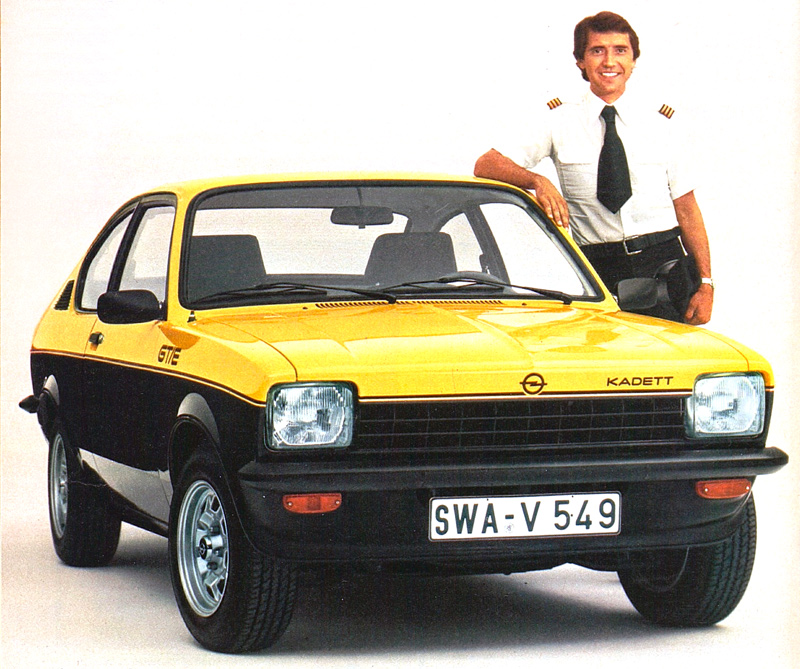
![Opel Kadett GT/E]()
The air becomes somewhat thinner again for cars with increases in value of 100 to 200%, although 23% of the stock can be found in this segment. It is probably no coincidence that these cars are also younger on average; the higher the average increase in value, the lower the average age. Cars with a 100 to 200% increase in value include the Honda NSX, the Opel Kadett GT/E and the BMW 850i.
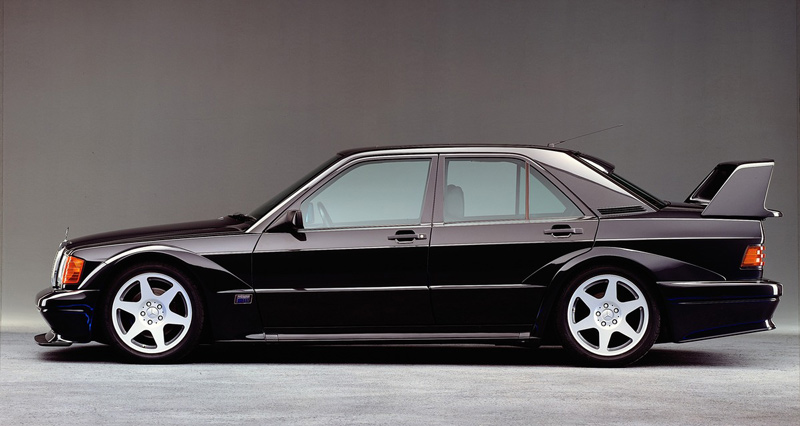
![Mercedes-Benz 190E 2.5-16 Evo II (© Mercedes-Benz AG)]()
This leaves the manageable segment of cars that have increased in value by more than 200%. The average is 295% and this is still 10% of all the cars surveyed. It should come as no surprise that a Lamborghini Miura P400 S, a Ferrari F40 or Mercedes-Benz 190E 2.5-16 Evo II fit into this group, but some may be surprised that a Peugeot 205 GTI, a Saab 9000 or Mazda 626 Diesel also increased in value so much. However, this is also due to the fact that 10 years ago such vehicles were hardly noticed and were also considered classics.
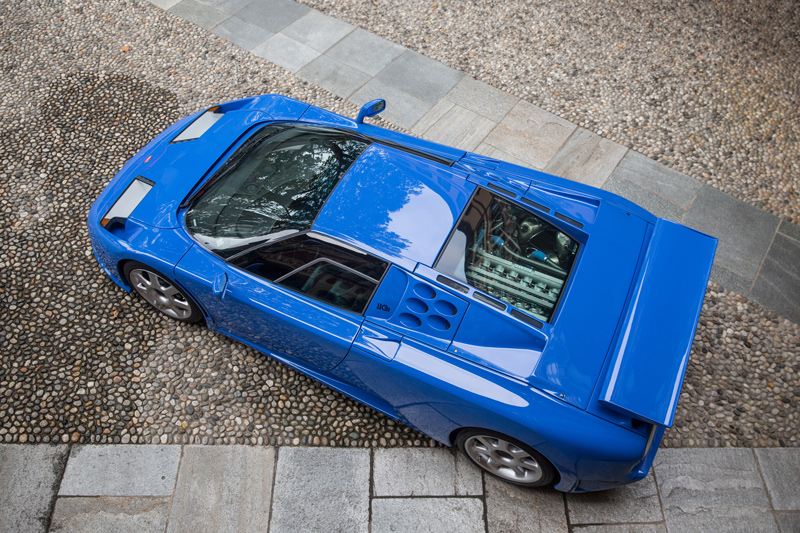
However, the winner in terms of value appreciation, if you exclude the Toyota Corolla Liftback or Opel Kadett E GSi, which operate at a comparatively low price level, is the Bugatti EB 110 (pictured above) with an impressive 780.6% increase in value.
Of course, these comparisons can also be viewed from different angles. For example, Opel brand vehicles have increased in value by 113%, Ford (D) by 117%, Volkswagen by 153% and Audi by 146%. The increase in value for Mercedes-Benz (75%) or Fiat (74%) is significantly lower and Porsche "only" increased in value by 85%, which is certainly also due to the fact that prices had already developed strongly by 2013.
It is interesting to note the rather high average price increases among the Japanese, e.g. Mitsubishi (164%), Mazda (134%), Nissan (154%) and Honda (127%). And Ferrari has not let itself be outdone in the last ten years either, with the sports cars from Maranello gaining an average of 130% in value.
It is surprising that estate cars and SUVs have increased in value the most, although not as many vehicles are listed here. Saloons, which make up half the stock, increased in value by an average of 99%, coupés by 81%, while convertibles and roadsters only increased in value by 54% and 31% respectively, presumably because they were already trending upwards in the early 2000s.
All new valuations can of course be found online .