How much should a racing car be worth?

As an observer, you sometimes wonder how estimated values, and even more so the results of auctions, come about.
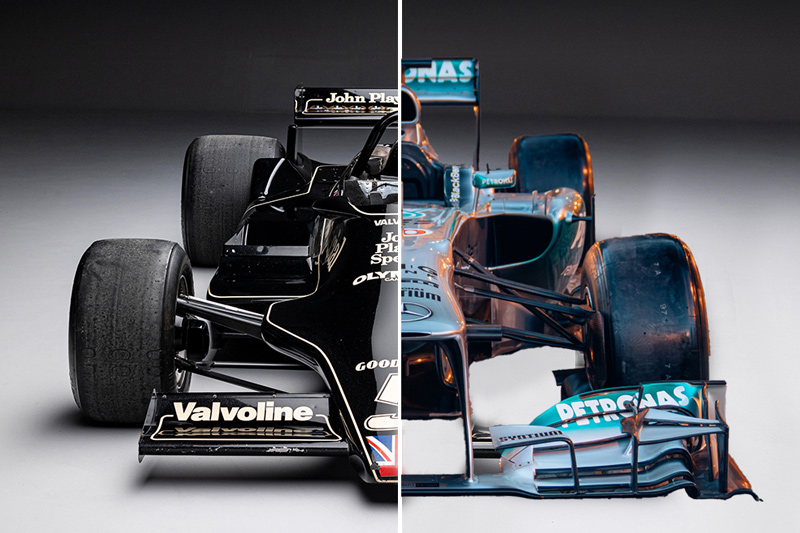
A number of F1 cars that have gone under the hammer in the last 10 days offer an interesting perspective. We would like to take a closer look at two of them.
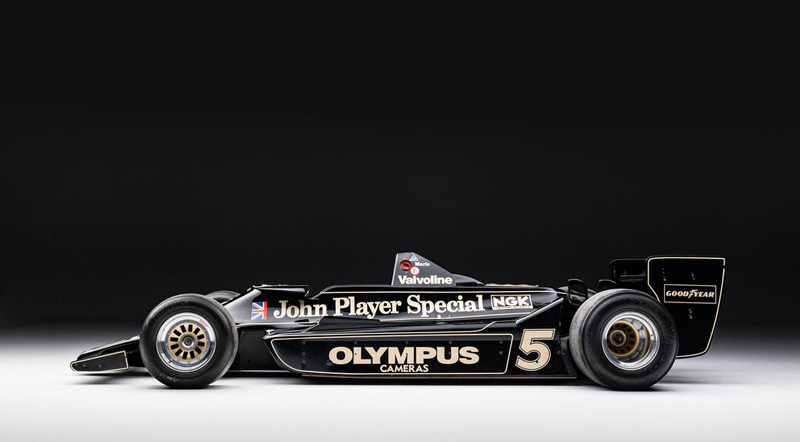
On the one hand, there was the Lotus 79 from 1978, in which Mario Andretti won the Zandvoort Grand Prix. The F1 monoposto was used many times and secured the F1 World Championship with its successes.
The Lotus looks attractive with its JPS paintwork and the car works, as Dario Franchitti proved at the Bonhams auction in Abu Dhabi .
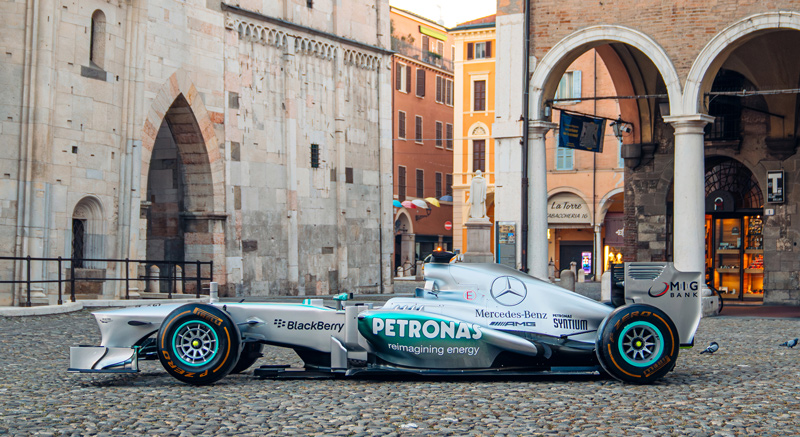
Significantly younger than the Lotus is the Mercedes-AMG Petronas F1 W04 from 2013, in which Hamilton won the Hungarian Grand Prix and which was also entered in several races. RM/Sotheby'swas able to offer the car in Las Vegas.
While the Lotus was estimated by Bonhams at USD 6.5 to 9.5 million, the Mercedes-AMG was expected to fetch USD 10 to 15 million according to RM/Sotheby's.
However, while the Lotus remained at USD 3.4 million and could not be sold, the Mercedes-AMG changed hands for USD 18.815 million.
So although the F1 with the star is hardly more significant than the Lotus in black, it was valued at least five times more by the bidders. One factor in this was probably the fact that the Mercedes-AMG was the only example of this type in private hands, while Lotus F1 cars from the 1970s are "easier" to find.
But is this really enough to justify this huge difference in value?
Moreover, the Lotus can be kept drivable with a manageable amount of effort, whereas the Mercedes-AMG requires a whole crew of specialists and engineers in addition to a truck full of computers and other aids. Shouldn't this also count as an argument for the pricing? And do aesthetics really not play a role?