Why it is difficult to predict the future classics

We are often asked whether we believe that a certain (usually younger) car will become a classic in the future. Unfortunately, this is not so easy, as the term "classic" is not clearly defined, nor do we have a crystal ball on our editorial team that is particularly useful for this purpose.
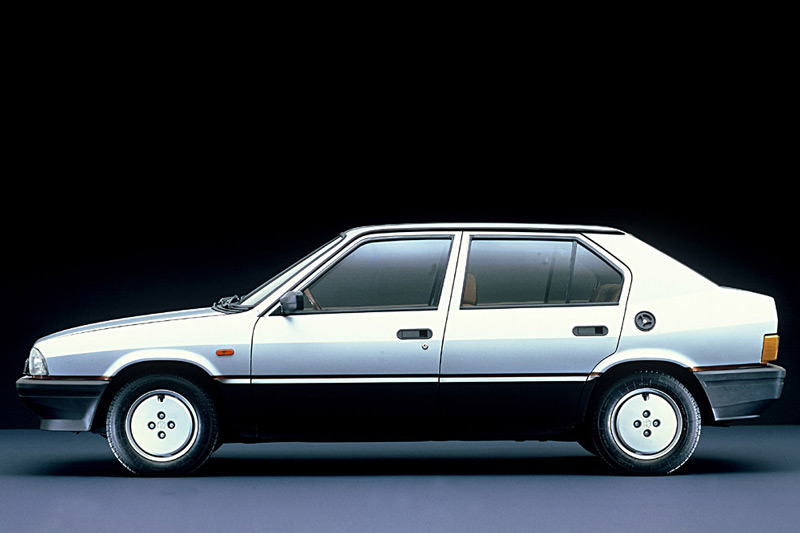
For example, is an Austin 1300 (ADO 16) a classic today? Or what about the Alfa Romeo 33 (the four-door type 905/907, built from 1983 to 1995)?
Does every car that reaches 30 or 50 years of age become a classic?
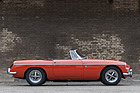
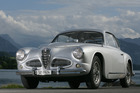
We tend to "promote" rarer and special cars, e.g. sports cars or convertibles, but also limousines built in small numbers, as classics rather than mass-produced cars that were perhaps seen on every other street corner until recently. From this perspective, a small number of units would almost be enough to achieve classic status. However, it is probably less the number built than the number that survives that is relevant. There were once large numbers of the pre-war Austin 7, but only a few are still on the road today, and hardly anyone is likely to shake the classic status of the Seven.
On the other hand, there are some cars of which only a few have survived, but which are not (yet) really regarded as classics. One example could be the Renault 12 or the Peugeot 305. Perhaps it will simply take a few more decades and a further thinning out of the stock and then the time will come?
The whole question is probably more of a philosophical nature anyway. And deliberately nothing was said here about valuations and value development. And from this perspective, perhaps every car that can obtain an H license plate (or Swiss veteran registration) is a classic?
P.S. Do you have any better/other ideas? Join the discussion! Just leave a comment and start a discussion!