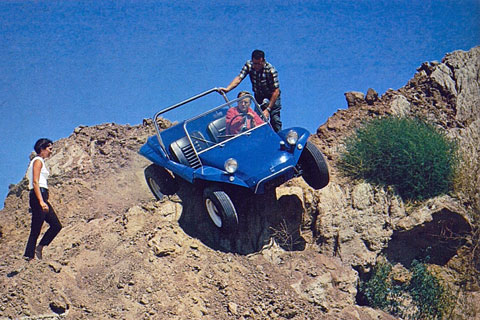
The oldtimer/youngtimer "Tipping Point"


We try to avoid anglicisms as much as possible here at Zwischengas. However, we really couldn't think of a good translation for the term "tipping point". The German Wikipedia speaks of a "tipping point". What is actually meant is the point in time at which a previously straightforward development suddenly breaks off/stops. And the question that arises here is whether this "tipping point" also exists for classic cars/youngtimers, i.e. the point at which subsequent cars no longer (can no longer) become youngtimers/oldtimers despite reaching the required age.
Some classic car enthusiasts are known to see electronics as the great enemy of future classics. With the increasing use of electronic components in cars, vehicles are becoming more complex and faults more difficult to identify and repair, to the point where it is no longer economically justifiable to restore them. Repairs are made even more difficult by the fact that electronic components can even age in storage and become inoperable. Replacement can therefore exacerbate the problem.
The first electronic components were installed back in the 1960s and their presence in cars has been increasing ever since. However, nobody would assume that a VW 411 E cannot be repaired. In the seventies and eighties, more and more computing power found its way into cars, and soon the various processors were also linked/networked in the car. Bus systems provided standardized connections. Sensors began to influence the control system.
If a component fails at one end of the vehicle, the effects can show up completely elsewhere. Small faults can even immobilize the entire vehicle.
Today we (almost) speak of the automobile as a computer on the move. Decades ago, the computing power available in a modern passenger car would have filled entire gymnasiums.
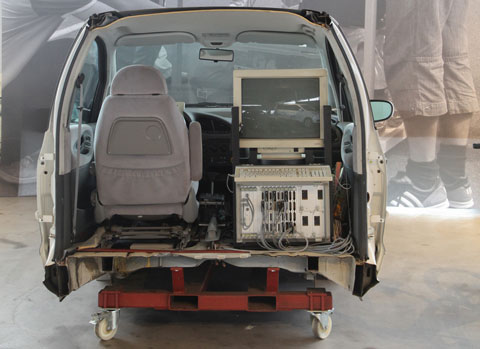
The systems have become so complex that the factory has to be switched on quickly when troubleshooting. All this is possible as long as the know-how and diagnostic systems are still available, but what if they are missing?
Back in the nineties, cars needed vehicle-specific diagnostic equipment, which is just as subject to ageing as the cars themselves. What to do if they no longer work?
Can all these difficulties be overcome? Will it still be possible to repair a VW Golf GTE with a hybrid drive in 30 years' time? And if not, when was this "tipping point" and does it vary from vehicle type to vehicle type and at different points along the timeline? Can today's youngtimers that were built in the nineties still age in peace?
We don't have the answers either, but we would be very interested to know what you think? And our comments section at the end of the article is a good place to start!