Back roads through automotive history (8): The tyranny of the chauffeurs

It's true: the most beautiful, interesting and sometimes weirdest discoveries are always made on the back roads. This also applies to the back roads of automobile history.
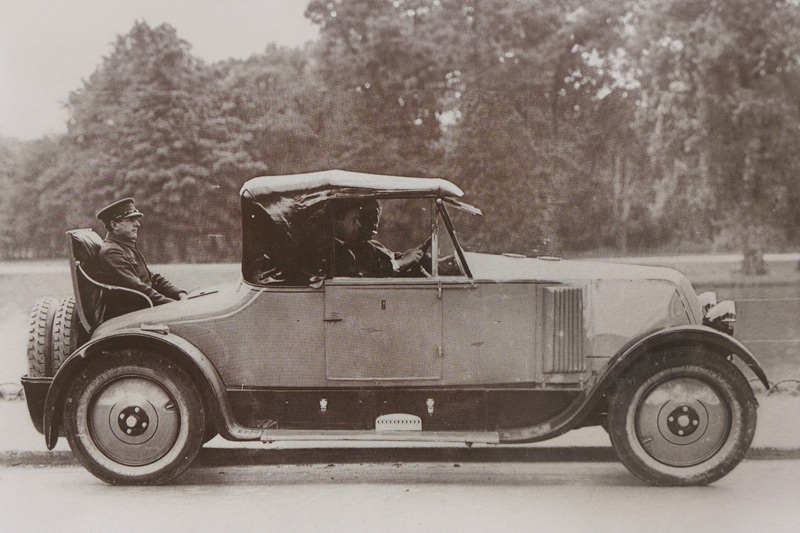
In a 1909 article, Tristan Bernard, the successful playwright and author who frequented upper middle-class homes, made fun of the tyranny exercised by chauffeurs, "these high personalities", over their masters, who had no idea about car technology.
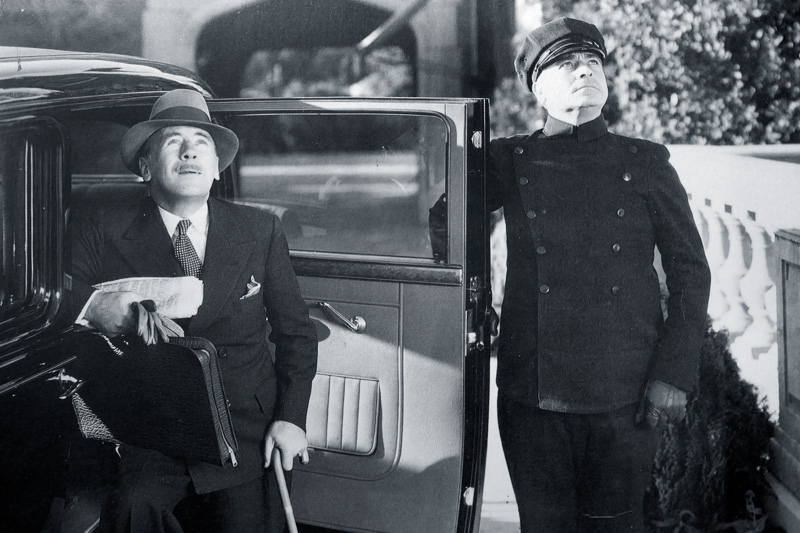
In the past, it was the wet nurse who disturbed the peaceful inner life of a middle-class household with her omnipotence. Today, the chauffeur-mechanic is the new tyrant of families. The solicitousness with which one speaks to a wet nurse so as not to damage her milk bears a strong resemblance to the shy submissiveness displayed towards this new family god, the mechanic.
For the self-driver who knows the technology, the employed mechanic loses much of his significance. He is then just like a dried-up nurse who is easy to replace. But if the owner does not drive the car himself, it is only the mechanic who can interrogate the mysterious engine like the entrails of a sacred animal in the event of problems.
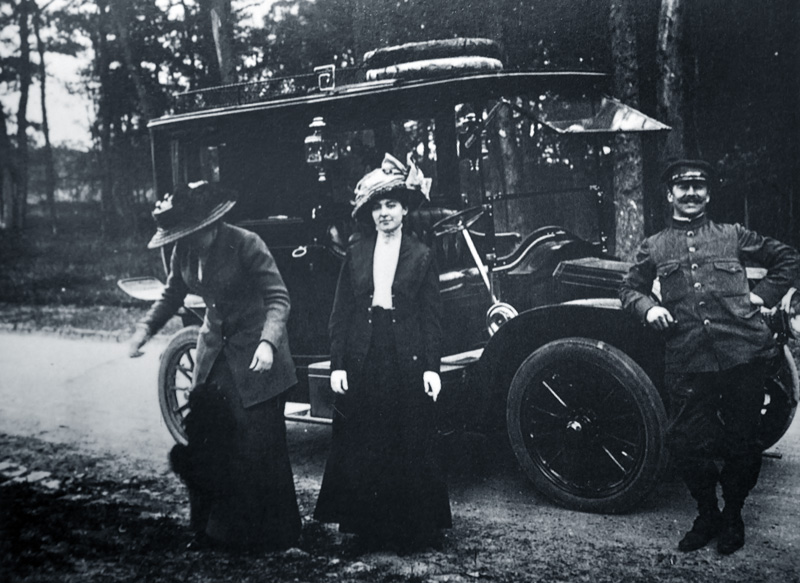
And especially in the case of vacation trips, he becomes an important figure in the family. It is he who determines the daily program, he decides on excursions and their duration. He uses certain technical terms such as "postpone ignition time" or "replace candle" with authority towards the host, who in turn conveys them to his guests with a weighty nod of the head.
It is particularly difficult for a guest to make contact with the mechanic. He makes shy attempts at conversation. He circles inconspicuously around the car, which the young, inaccessible mechanic washes with his usually special first names such as Anselme or Donatien. Sometimes the guest goes all out and asks a shy question: "Are you happy with the tires?" or "How fast is the car on the straights?". The mechanic limits himself to a bare number. If he's in a very good mood, he even speaks. What a feeling! The guest pricks up his ears and listens to everything with interest, whether things he knows or things he will never understand.
Being able to hold such a conversation gives the guest a feeling of superiority over the other guests, and even over the owner, who can't quite hide his envy. If the guest can sit in the front seat on a drive, he is accused of having spoken to the chauffeur.
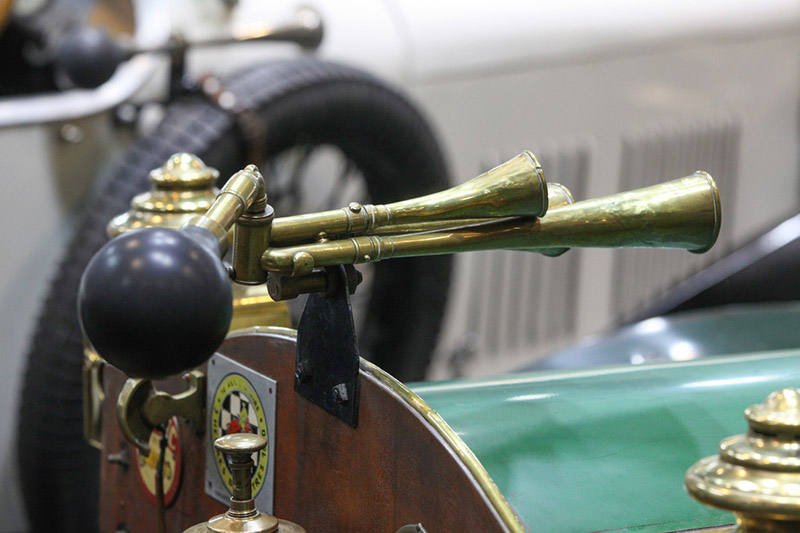
One of the greatest feelings for the co-driver is when he is ordered to honk the horn at dangerous spots. I once witnessed the childlike joy of a 55-year-old investigating magistrate who was given this task: What a satisfaction it was when he spotted a black dot in the shape of a harness or a vagabond far ahead on a flat, straight stretch of road.
The fanfare sounded. But if he pressed the horn too quickly, all he heard was a hoarse "Couac" that made the man blush with shame.
The almost divine power of the chauffeur-mechanic is revealed most impressively when the car breaks down. The car stops. He gets out. Nobody dares to ask anything. Is it an insignificant stop? Or a serious problem? The driver keeps a straight face. You don't really know whether you should get out.
Without a word, he puts on a blue vest. Everyone understands that it's going to be a long affair. They get out in silence and move away a little to talk about the mystery, while the master, lying on his back with his head and upper body under the car, looks as if he is being suckled by the monstrous animal.
Only after a long time is the owner or a guest who has found the contact delegated to make inquiries. And if the breakdown is serious, if you have reached the next village on foot, if you have found help to take the wagon to the village blacksmith and if your fellow travelers have been repatriated by horse-drawn wagon and train, there is nothing left to do but wait at home for the mechanic to return. Maybe it takes a day, maybe two days, maybe a week. You are by no means relieved to be rid of this despot. You fear him, but you need his knowledge.
You can't drive out for the time being, you've let your horses go. And on foot? What a pain! The house, deprived of its automobile, cut off from the world, resembles a besieged city.
The text appeared in a medical journal. How much of this ironic depiction is reality and how much is exaggeration is impossible to say today. But one thing is clear: the new freedoms, the new possibilities that the automobile offered at the time could not be enjoyed in the early days without certain downsides ...