One brand, one model, one engine

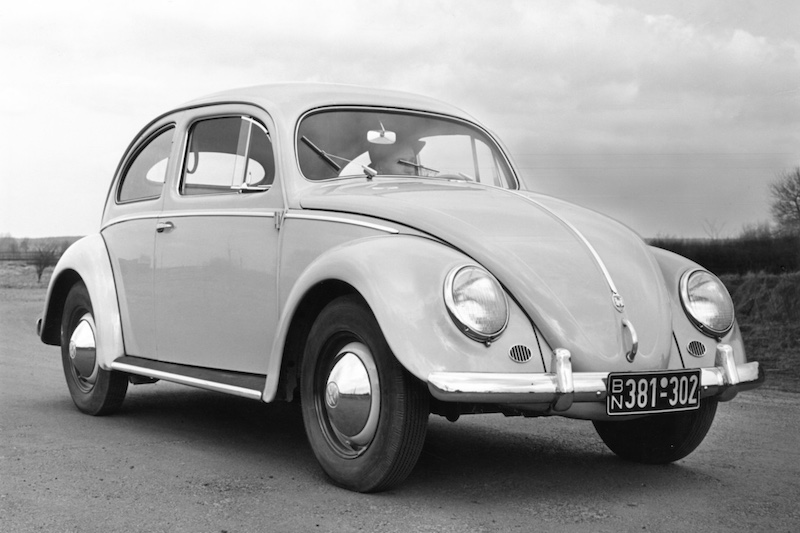
Schoolboys in the fifties had it so easy. Back then, it was still easy to memorize the engine power and top speed of every known car - not just the dream sports cars, but also the everyday sights on the road. An Opel Olympia Rekord had 45 hp, a Taunus 17 M went almost 130, and a VW was not a VW, but the VW - because there was no other.
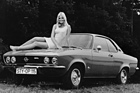
But barely ten years later, simplicity was already a thing of the past, only to culminate another ten years later in a confusing jumble of drive and equipment options. Was the 1600 in the Opel Ascona an S or an N engine? Ah, an N. But was it just as powerful as the 1.2 S or even weaker? Or did that depend on whether it had the sporty SR equipment? Was it even available in the two-door sedan? Uh...
It didn't look any better with other manufacturers. Whereby Ford certainly had the densest thicket of letter combinations: L, GL, GXL, XLR, XL, GT, Ghia, optionally combinable with S, occasionally also with R. Plus a two-liter four-cylinder either in V or in-line design. And because it's so nice, the same displacement is also available with two more cylinders - but only as a V, not inline. You don't have to overdo it.

In the meantime, the clear-cutting of the equipment jungle has begun again. VW now only offers the ID.3 with a handful of ready-made combination packages. Individual configuration of special equipment is no longer possible. This not only makes things easier for production, but also for customers - and of course for the schoolboys. Nevertheless, there is still a long way to go before the one-model policy is introduced.