Back to the basic setting

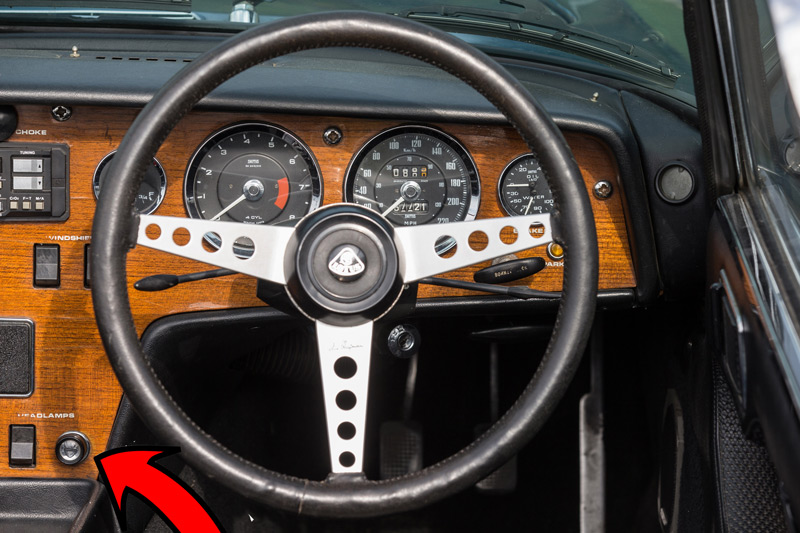
Get in - turn the key - drive off, the basic steps and activities required to operate a car - in my perception, they roughly correspond to the state of the car at the end of the 1970s. You could even say: simply a car. This car has an ignition lock on the steering column or in the dashboard, a handbrake handle between the seats, it can also have a foot parking brake, that's fine. There are three pedals at your feet and a gearshift on the transmission tunnel or, if necessary, on the steering column - the inboard entertainment. There are light and blinker switches, horn buttons, switches for the windshield wipers and a few rotary controls or sliders for the heating. That's all - nothing special!
But what sounds so listless here is the exact opposite, because it leaves room to grasp the true characteristics of a car: The engine sound, the response to throttle movements, the way the clutch grips, the mechanical feel of the gearshift, the type of feedback from the steering and suspension. My senses serve primarily as a human-machine interface and the interplay of input and output is so wonderfully effective. I need my attention to drive and not to operate the car.
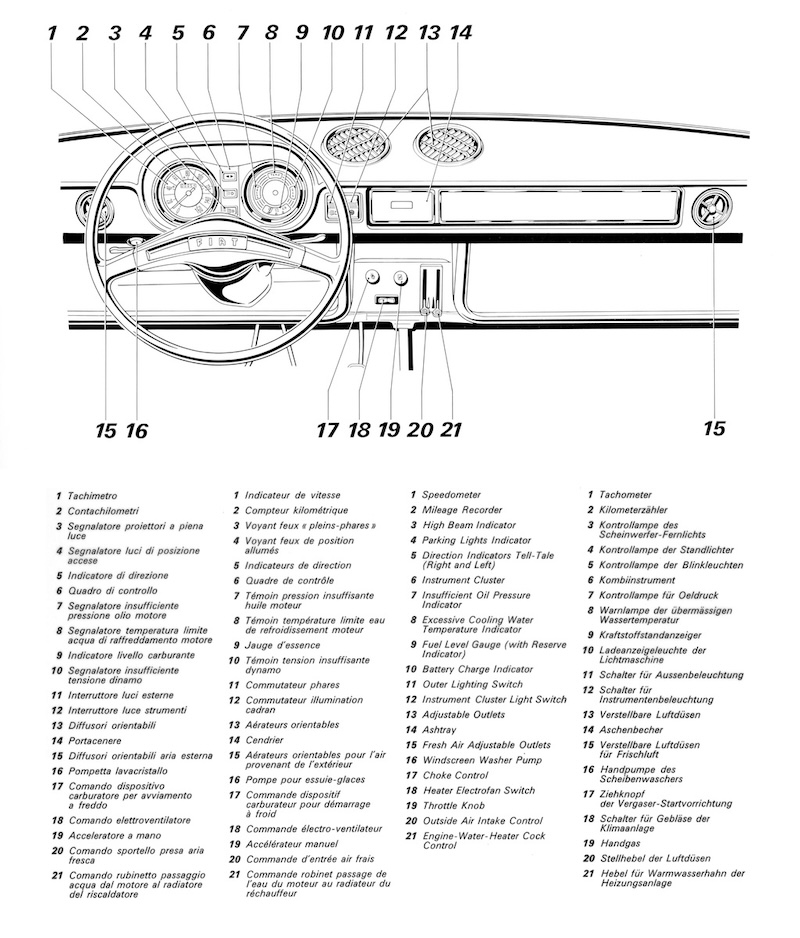
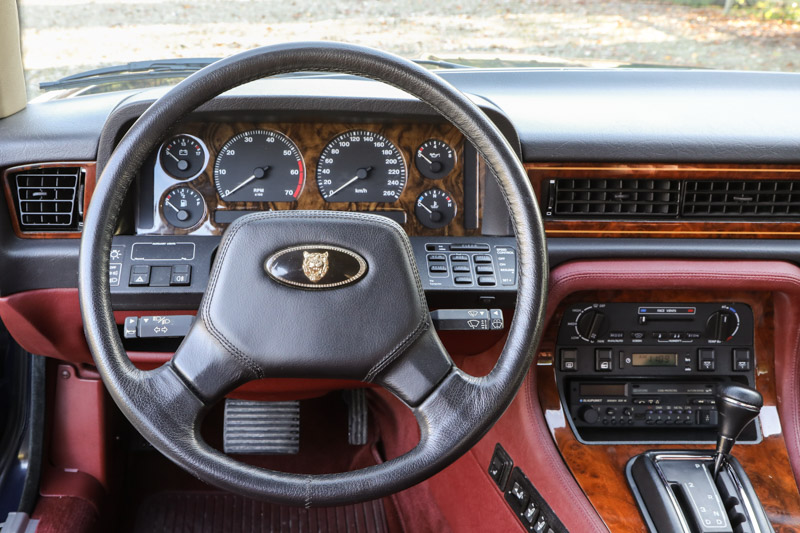
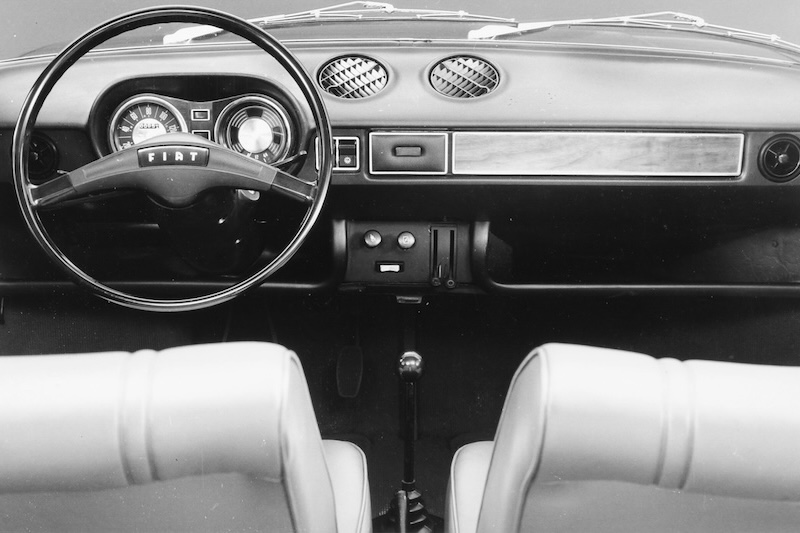
In the 1970s and 1980s, this relationship reached a level of perfection from which the car industry has gradually moved away - from the basic attitude of the "car" phenomenon to numerous, ever wilder variations. We have now reached a point where every new car represents a new world in terms of its operating mode and the wealth of functions. 1500 different things could be operated with the touchscreen and slider bars of the Volkswagen ID.3, according to the press presentation in Wolfsburg. The gigantic hyperscreen of the Mercedes EQS even provides haptic feedback to commands that are transmitted to it by touch. A Lucas toggle switch also did this, purely mechanically. The Fiat 128, as shown in the picture, has a total of 21 things that can be operated and controlled on the dashboard.
After almost 40 years of driving experience, you always feel like a novice driver in many new cars. Occasionally I ask myself whether a hurdle isn't already being erected in the showroom if a potential buyer can't even operate the elementary things without instruction. Anyone who hasn't noticed that the selector lever in a Mercedes has been moved back to the steering column, or that a part of the instrument panel in a VW determines the direction of travel by means of a rotary movement, is lost.
In some cars, the selector lever has to be pulled backwards in order to drive forwards - this used to be the case with the classic automatic selector lever. Others, however, think it should be the other way round, forwards for forward. And N is then available at the touch of a button, P anyway. However, only the gear indicator somewhere on the TFT screen tells you whether you are really in the right gear, because the switch or lever always snaps back to its original position. Or the button won't accept the commands with the best will in the world because your finger is too cold, the car doesn't feel like it at the moment or the fatigue detection system thinks you need a coffee - OK, that was a bit of an exaggeration, but it would be technically possible.
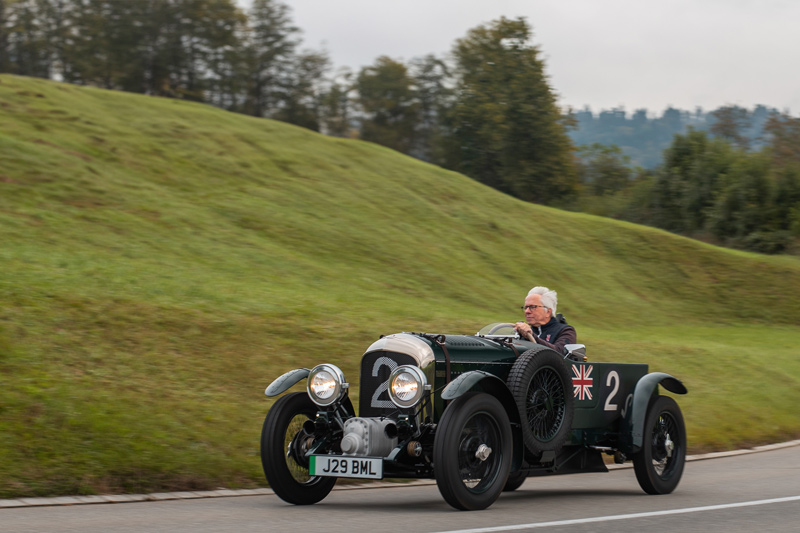
Why use the 70s and 80s as a benchmark? The reason is simple, these were the cars of my childhood and youth, I learned to drive at the end of the 1980s. Of course, operating older cars was and still is a challenge at times, but a fun and engaging one. Mastering a pre-war car was even a satisfaction. Fighting your way through four menu levels in a modern car until you manage to eliminate some warnings and beeping noises, or switch off the seat heating again because you thought you had raised the interior temperature, is an insult.
However, I don't want to give vent to any anger here, because there are two solutions: Drive a classic car or - use the voice control. Because what "hello Mercedes" or the corresponding keystroke (!) and the subsequent voice message can achieve is sometimes quite amazing, but somehow that would be unnecessary. We prefer driving classics.