Too few or too many buttons?

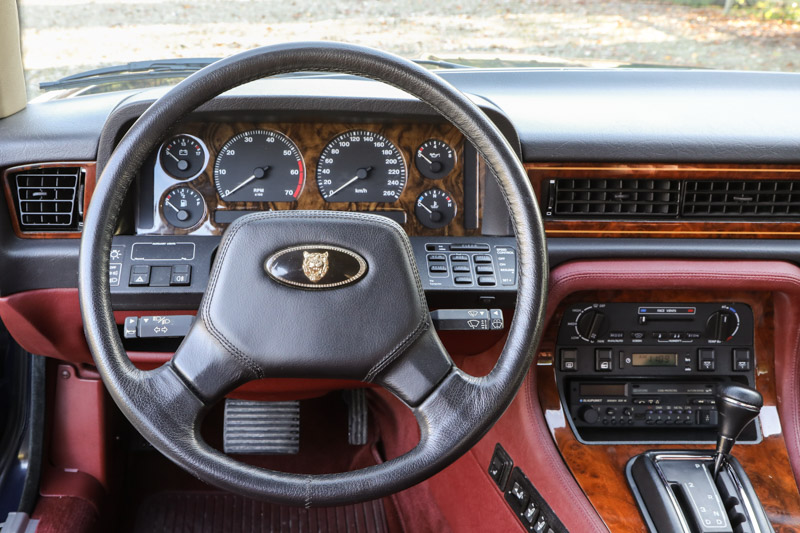
A car from the early days had only minimal controls and even a VW Beetle from the sixties had a manageable number of buttons and switches, but perhaps fewer in terms of their arrangement. However, with the increase in comfort and the elements that could be operated, the number of controls, levers and buttons in the car also increased.
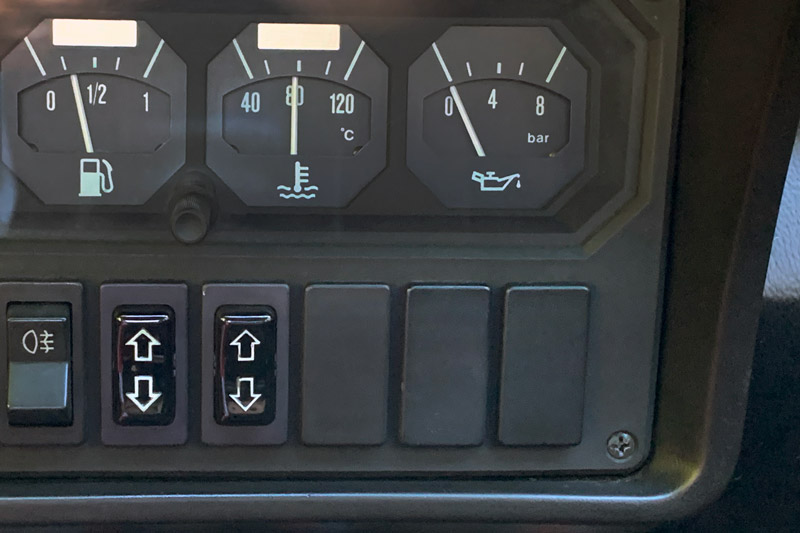
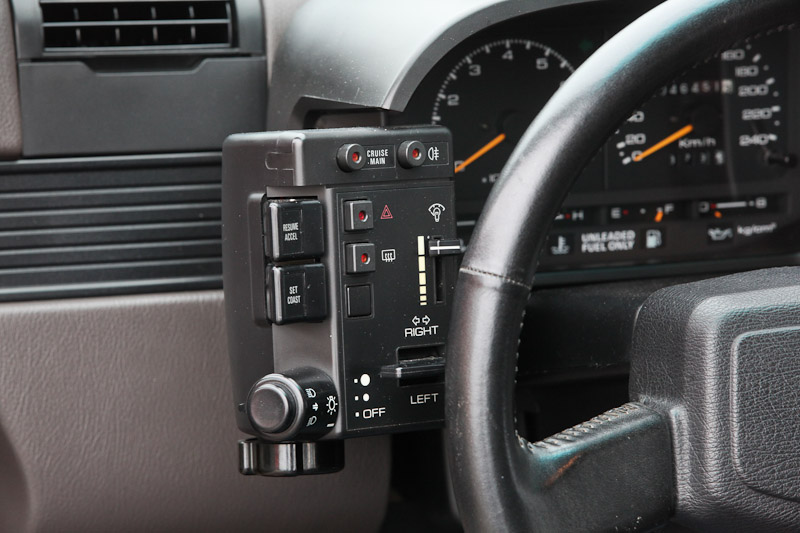
A Jaguar XJ40, for example, has an impressive number of buttons; after all, the on-board computer, heating and air conditioning, radio, cruise control and much more all need to be controlled. And because in that era, the trend was to have one button for each function, this resulted in several dozen of these devices.
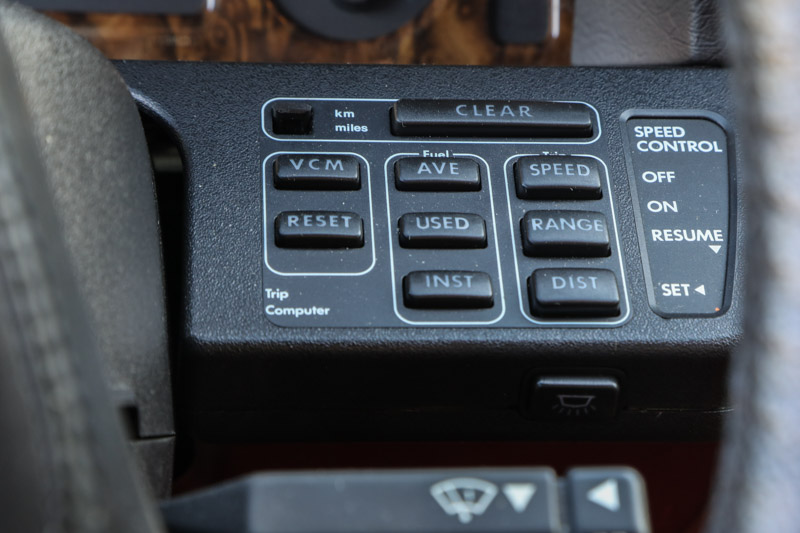
For example, there was a separate button for each query of the trip computer (e.g. average fuel consumption, speed, range, etc.). Of course, these functions could hardly be touched blindly, but at least they had a classic tactile feel. Nevertheless, car testers often criticized this variety of buttons.
Fast forward 30 years. In modern times, almost all modern cars have huge control panels that are reminiscent of tablet computers. These are touch-sensitive and can be operated via menus and graphic symbols, by "swiping" and "pressing". As a result, the variety of buttons has almost completely disappeared; in a Tesla, there are practically no buttons at all. Is that better now? Probably not. The latest research results have shown that drivers spend up to 16 seconds looking at this tablet to switch on the seat heating or change the temperature setting, for example. 16 seconds! That's enough to mow down an entire avenue. No wonder it needs lane assist or emergency braking systems, because if the driver is not looking at the road, the car has to help them drive. And who stops at the side to turn on the temperature or stop the windshield wipers? In general, operating a tablet in the car is comparable to using the phone without a hands-free set in terms of distraction, but the latter is prohibited on our roads.
The new world in the car may look trendier and offer many possibilities, but it has not become any easier for drivers. No wonder some car manufacturers are already changing their strategy and returning to at least a few classic buttons for basic functions.
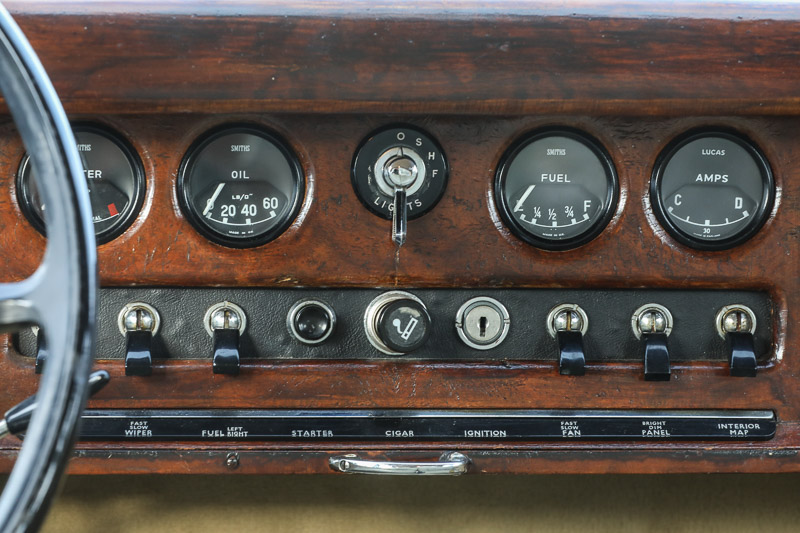
Not everything was great in the past either, even though it was analog and free of LCD screens. An example of this is the center console of a Bentley Continental, which has a total of eight additional instruments (speedometer and rev counter are in front of the steering wheel).
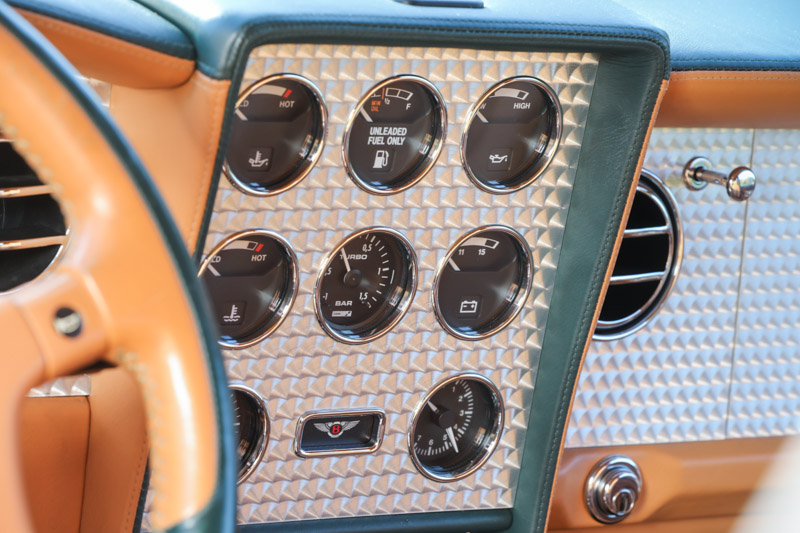
You have to look at them for a while until you are sure that the oil temperature, for example, is in the desired range. But at least these displays only fail individually in the worst case ...