Will plug-in hybrids become a classic?

With the Toyota Prius (from 1997) and the Honda Insight (from 1999), the hybrid drive became established in series production and to this day, hybrid concepts are constantly being refined and have even been installed in exotic and super sports cars with or without recharging options at the socket for some years now.
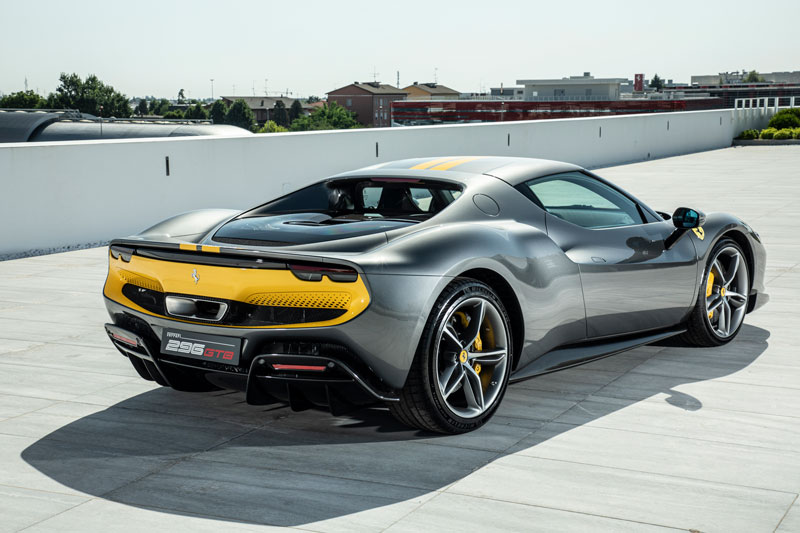
A plug-in hybrid such as the Ferrari 296 GTB (pictured above) (or the BMW i8 from 2014) enables purely electric operation over a short distance, pure combustion engine drive or the combined use of both drive systems, supplemented by the option of recharging. It is obvious that a great deal of complexity is involved here, and a glance under the various hoods and covers makes it immediately clear.
But how will these technologies age? For a modern plug-in hybrid to be able to drive, all components must function, including the battery. The failure of one sensor is enough to call the car in for maintenance. This may still be no problem today, as manufacturers feel bound by warranties and maintenance obligations, but in 20 or 30 years' time it will be a different story. What's more, car manufacturers are supposed to delete their software after a certain period of time in order to avoid possible claims for damages decades later.
So the chances of still being able to drive a Ferrari 296 GTB or a BMW i8 without any problems in 2050 are not too good. But maybe we're wrong?