The analog car is (soon) history

It is not so easy to define what constitutes an "analog" car. The introduction of ABS already drew the line at digital cars, and the same applies to engine control systems. With the electronic accelerator pedal, e.g. in the Honda NSX from 1995, the accelerator foot was also decoupled from the throttle control. With the automatic transmission, the lever on the center console no longer has anything to do with analog mechanics. The last bastion was actually the steering wheel, which was still connected to the wheels via the steering column and mechanics. Even if the steering was hydraulically or electrically assisted (and your own steering movements were perhaps even overridden), you could still have a direct influence on the wheel position. But this too is now history, as cars such as the new Lexus RZ 450 e offer "steer by wire", which means that the wheel position is selected exclusively by electric motors, which are again controlled by a computer that receives its directional inputs from a steering wheel (or soon joysticks?) without a steering column.
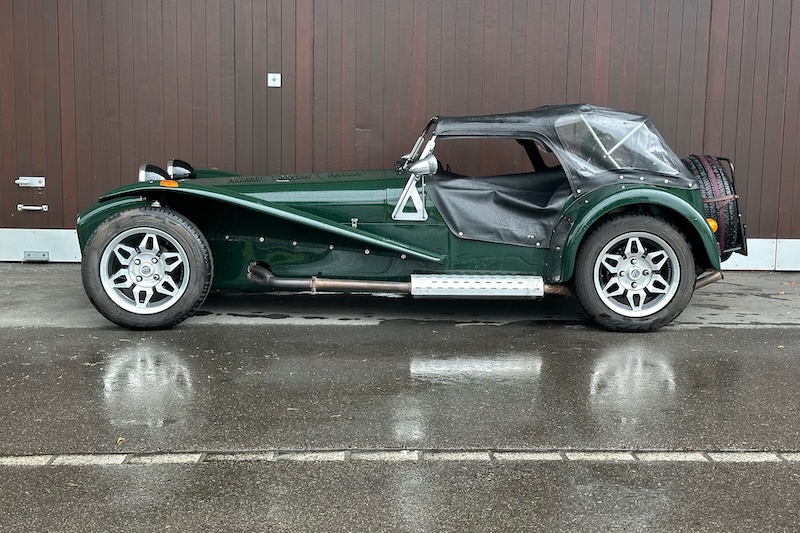
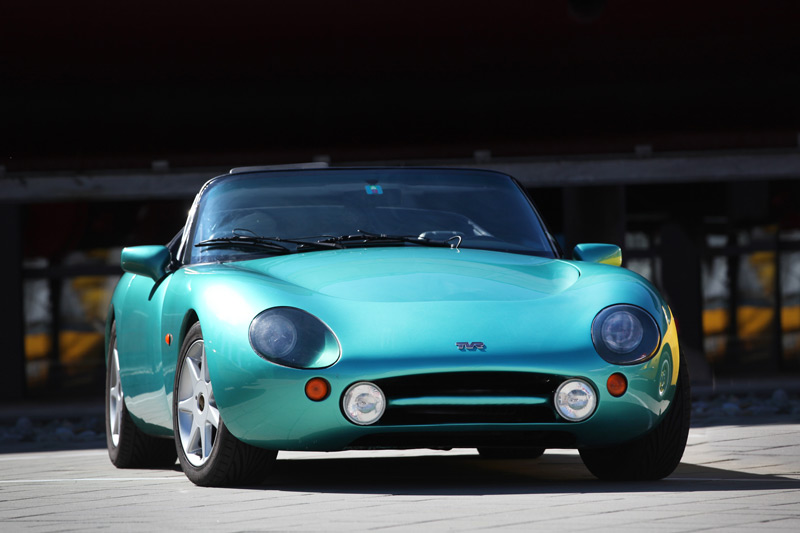
Vintage car enthusiasts like to talk about the analog driving experience of earlier cars and the MG TC is certainly a good example of this, but even in the more recent past, largely analog cars were built such as a Lotus Elise, a TVR Griffith (pictured above) or a Caterham. Fans are convinced that computers will never be able to provide similarly realistic feedback as these "real analog" cars. But of course you have to be able to handle them, because if there is no ABS or electronic accelerator pedal, the foot has to act more sensitively ... and many modern drivers can no longer do that ...