Rimini is always worth a visit ...

Rimini and the surrounding towns and cities on the Adriatic were among the most popular vacation destinations for Germans, Swiss and Austrians in the sixties and seventies. The sea was a symbol of great freedom and the feeling of walking across a sandy beach into the sea while sucking on an ice cream or a coconut segment was one of the most desirable things young and old could imagine back then.
A lot of time has passed since then and it was probably the fortieth anniversary of my last visit to Rimini and the surrounding area before I returned to the city in the east of Emilia Romagna a few weeks ago.
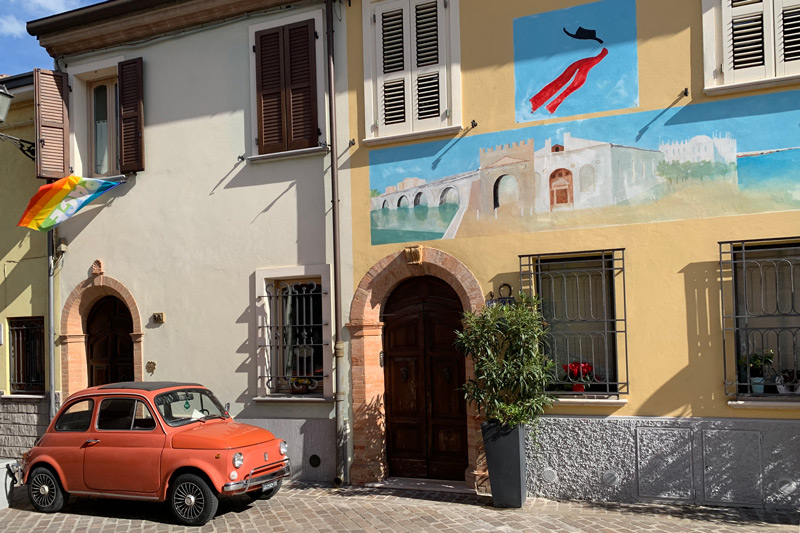
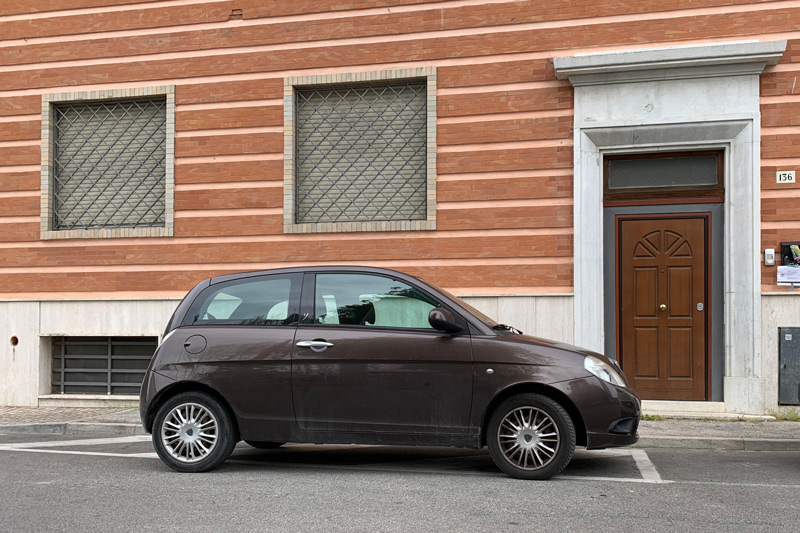
While back then, as a teenager, I was only interested in the salty water and, at best, a visit to the early arcades with analog car racing games, this time I also enjoyed the rich cultural heritage of the Adriatic city. Rimini is one of the oldest cities in Italy and has a historic old town that is well worth seeing, although it is located away from the sea. There, you are almost as likely to come across Fellini (note his hat in the picture above) as one of the many Lancia Ypsilons or various versions of the Fiat Panda. Small cars make a lot of sense in the winding Italian streets, SUVs don't make friends there.
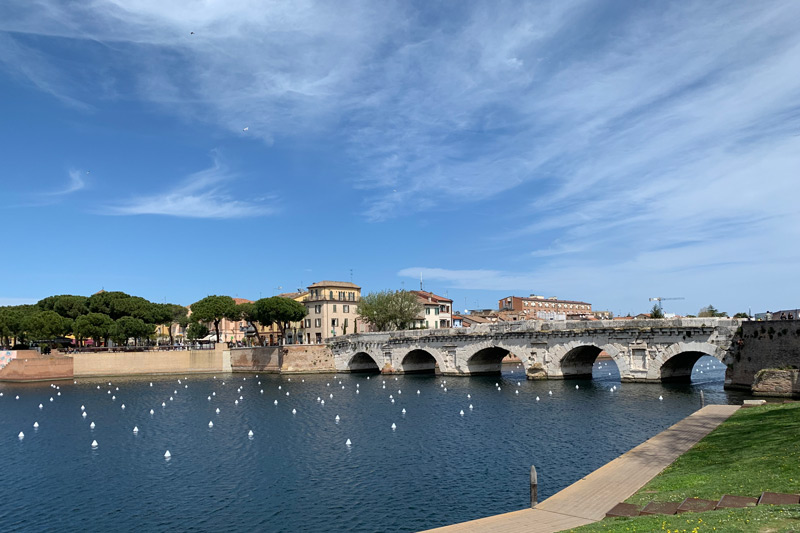
But back to Fellini, who was born in Rimini in 1920 and went on to become one of the most famous directors. His internationally renowned film "Amarcord" is also set in Rimini, although most of the scenes were shot in Rome and a replica of Rimini was built in Cinecittà. Among other things, this film also features the "Mille Miglia", which Fellini has drive over the ancient Tiberius Bridge, which was started by Augustus and completed under Tiberius shortly after the birth of Christ. However, we don't see much of the bridge in the film and the cars shown also appear to have been chosen rather arbitrarily; they are not really important in the film.
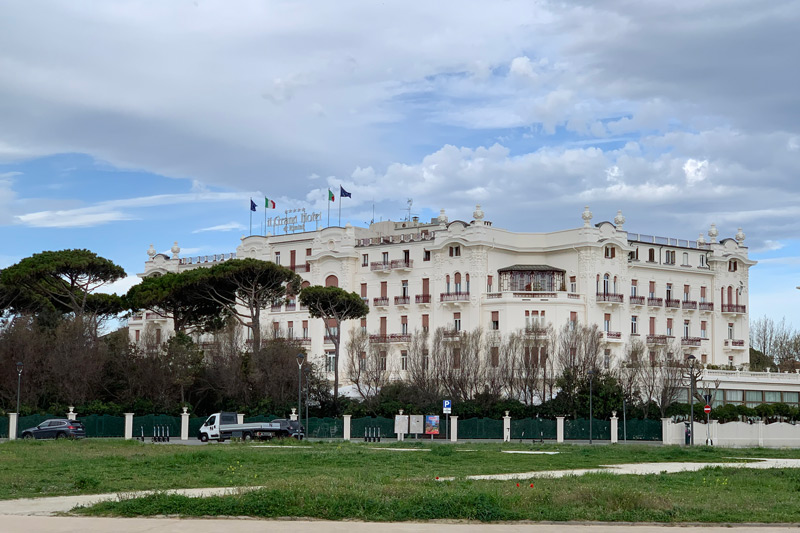
Rimini was also the venue for a famous "Concorso d'Eleganza", which was organized on the streets around the Grand Hotel Rimini until 1973.
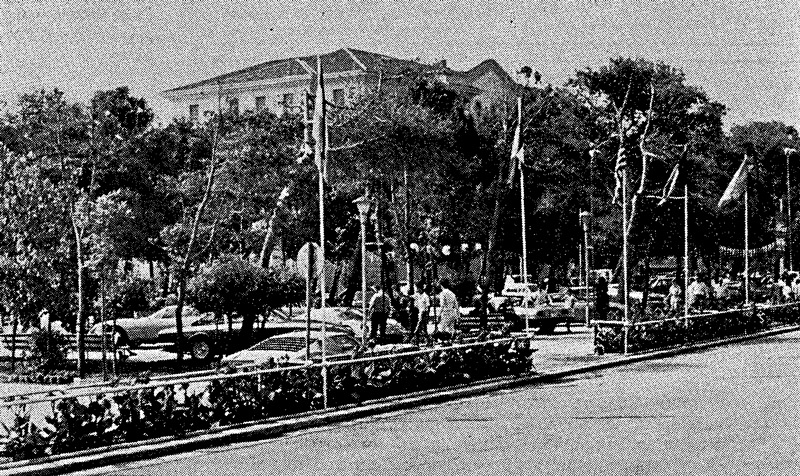
The event showcased contemporary new cars, presented by car manufacturers, representatives or private individuals. A jury evaluated the cars according to six criteria - elegance of lines, harmony of colors, manufacturing/equipment, accessibility/mobility/spaciousness, outward visibility and safety of the interior - and determined the winners in a variety of categories.
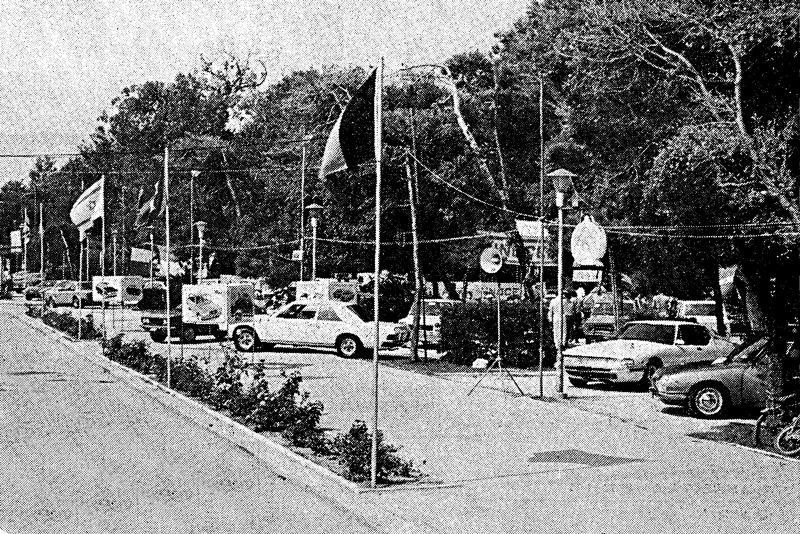
In 1969, for example, a Morris Mini Automatic, a Renault 6, a Ford Escort, a Ford 128, 1 NSU TT, an Autobianchi A111, a BMW 1600, a Fiat 125 Special, a Peugeot 504, an NSU Ro 80, a Citroën DS, a BMW 2500 and a BMW 2800 won their category in Group 1, in which 2- and 4-door standard models competed for a prize. However, the BMW 2800 Spicup, a Maserati Ghibli Spider and a Fiat-Abarth Scorpione, among many others, were also victorious. A Lamborghini Miura and Deserter VW Dune Buggy also won trophies, as did the Maserati Indy, which won one of the main prizes; no overall winner was chosen.
In July 1972, the Concorso in Rimini experienced its 26th and probably last edition. The overall classification was now led by a Fiat 130 3200 Coupé with 256 points ahead of the Alfa Romeo Alfasud (242), the Fiat 132 S 1800 (241), the Alfa Romeo Montreal (238) and the Fiat 132 S 1600 together with the Jaguar XJ 6 4.2 (233 points each).
The beauty contests in Rimini were actual motor shows where the public could see the new products and the overall programs of the various brands.
Those days are over, but the beautiful city of Rimini is still worth a visit today and if you are not primarily interested in the beach and swimming, we recommend a visit in spring, when everything is much quieter in this city of 150,000 people.