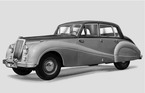
Armstrong Siddeley Star Sapphire - you're happy to do without a chauffeur


You have only
1 out of 17
images seen in high resolution


Summary
Britain's wealthier society liked to be driven around in their personal chauffeur. However, when the Armstrong Siddeley Sapphire was introduced in the fall of 1952, this changed abruptly. This car was so pleasantly different and sporty that people couldn't resist getting behind the wheel themselves and really making the most of its performance. These sporty attributes and the generally very good performance helped the Star Sapphire and its modifications to become very popular. But those who fly high also fall low. The brand disappeared and only a few people still remember the Star Sapphire. A good reason to look back ...
This article contains the following chapters
- The man himself!
- Twice the price for a model with a windshield?
- A lot of tried and tested features with a few innovations
- Technical specifications Armstrong Siddeley Star Sapphire (1959)
- The wolf in sheep's clothing
- Ultimately, however, the battle was lost...
Estimated reading time: 4min
Preview (beginning of the article)
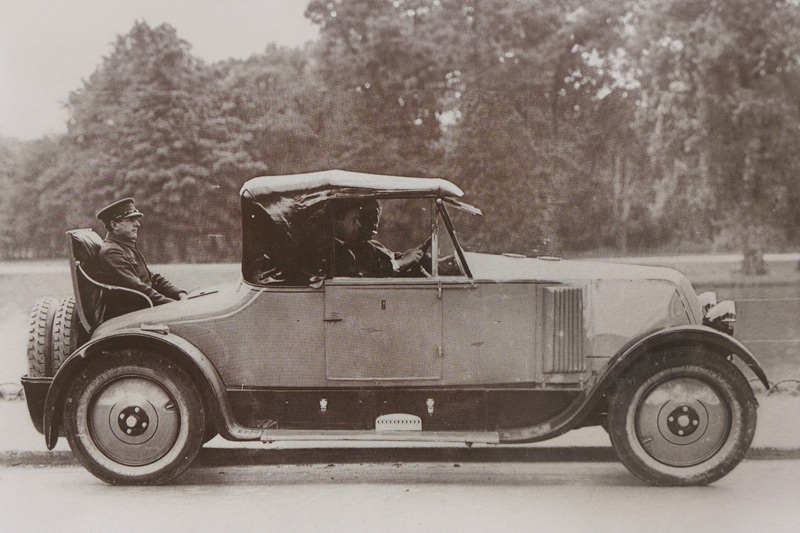
In the 1950s, a Siddeley was in the category of those great British companies that ranked just below Rolls-Royce and Bentley, such as Daimler and Humber. And like so many British car manufacturers, Armstrong-Siddeley was one of those that had made a name for itself as a manufacturer of aircraft engines. An Armstrong-Siddeley was something special; if you stepped out of it, you were unreservedly mistaken for a bank director or Earl. So well-behaved Brits were all the more surprised when the staid Armstrong-Siddeley Sapphire, first presented in the fall of 1952, turned out to be an almost sporty automobile, with performance figures that a dignified Piccadilly chauffeur had always known how to ignore. The concept was nonetheless correct: Siddeley owners were increasingly getting behind the wheel themselves, and an "owner-driver" was much more inclined towards sporty driving pleasure and comfort than a gentleman chauffeur, a profession that was already suffering from internal and external emaciation in post-war England.
Continue reading this article for free?
Images of this article