On back roads through automotive history (7): Watch out for the vibrations!

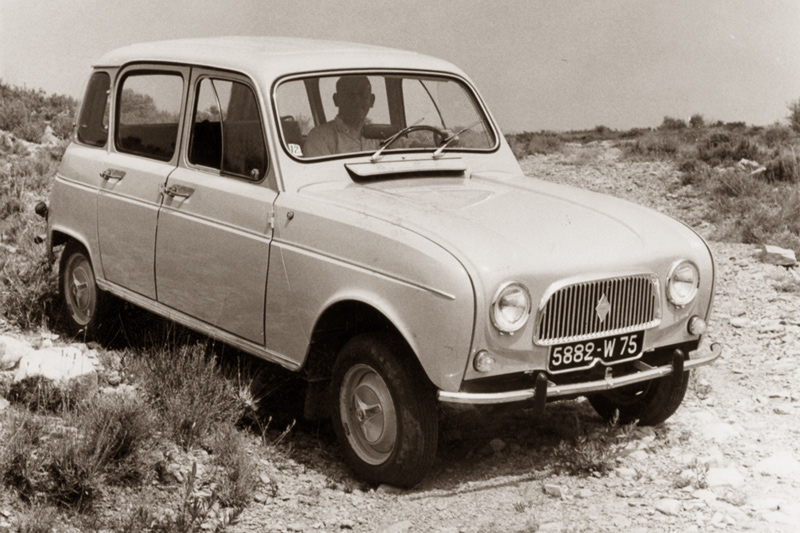
It's true: the most beautiful, interesting and sometimes weirdest discoveries are always made on the back roads. This also applies to the back roads of automobile history.
In the early years of the automobile, doctors were divided on the effects of driving. Some claimed that it could cure numerous illnesses, especially headaches, thanks to the airstream, while others saw it as a danger to health, as the following report by a French doctor in his book "The car from a hygienic point of view" shows.
A professional colleague from the provinces, who was on the road all day to see his patients, wrote to me last year that he was suffering from heart problems. And he saw the cause in driving too much. In fact, he was also a smoker. However, after a sumptuous evening meal, he felt a classic constricting chest pain, a slowed pulse and a feeling that he was going to die on the spot. The acute attack could be calmed with morphine, but then recurred for two months, accompanied by insomnia.
My colleague then gave up driving and the symptoms disappeared. He smokes a little less, eats as before and sleeps well again.
He told me: "I see the cause in driving. The hours of vibrations had attacked both my digestive tract and my heart. In addition, perhaps the exhaust fumes contributed to a slow poisoning. The heart contracted when inhaling the gases, while it relaxed again when exposed to fresh air. Why don't you ask your rich patients who drive a lot?"
My colleague's case is undoubtedly too complex to serve as an example, but I believe it contains a great deal of truth, as I found that various patients had heart problems with chest pain, especially if they had also eaten too much. I can well imagine that they were caused by driving (vibrations, draughts and nervous tension when driving).
I have also wondered whether certain accidents are not related to this, such as the recent death of a billionaire who died with his wife after a lavish dinner on a downhill slope, while the chauffeur who was driving escaped unharmed. Perhaps it would have been better to use his services on this trip...
The subject is reminiscent of the negative reactions to the first railroads in the 19th century. And it perhaps also points to reservations about current technical achievements, such as the fear of cell phone radiation.
Meanwhile, we know enough about the actual damage to health caused by cars...
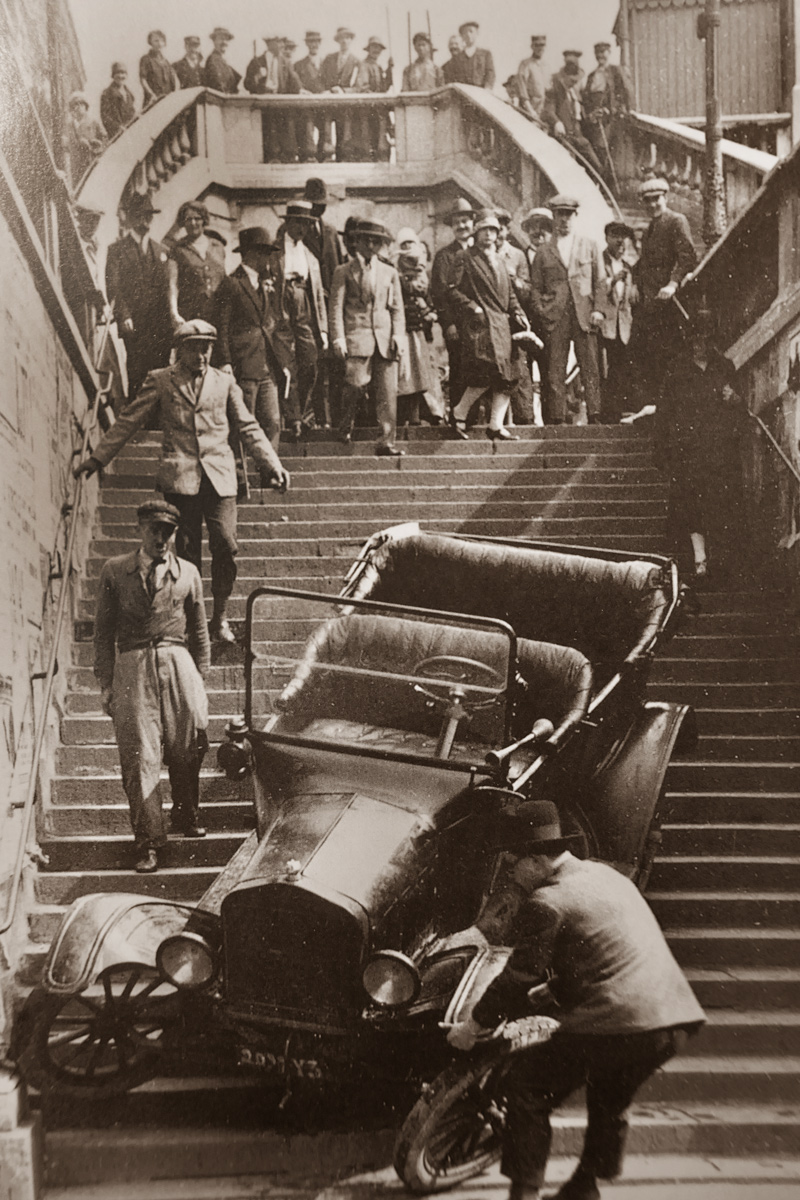
P.S. An addition to the second picture:
The Ford T was known for its versatility, which not only gave Laurel and Hardy ideas. But a trip up the stairs at Montmartre in Paris was obviously not quite the right thing after all...