I would have bought it for the price

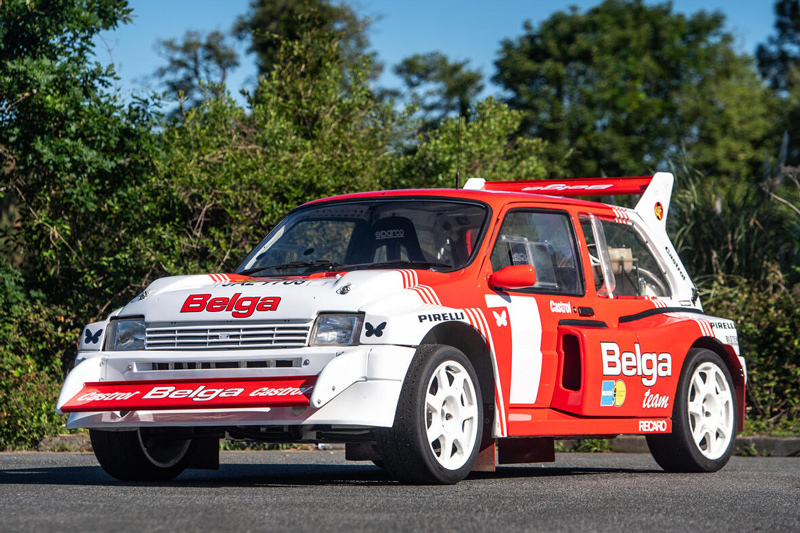
We often hear this when we talk to classic car enthusiasts after auctions: "I would have taken it for that price". For example, when an MG Metro 6R4from 1986 was knocked down at Bonhams on the occasion of the Goodwood Festival of Speed 2024 as a Group B vehicle for just £ 70,000 instead of the realistic estimate of £ 150,000 to 200,000. In the end, the buyer paid £ 80,500 (EUR 95,795 or CHF 93,380) for a very rare Group B car of which there are no longer 200 examples. How could the car go for so cheap?
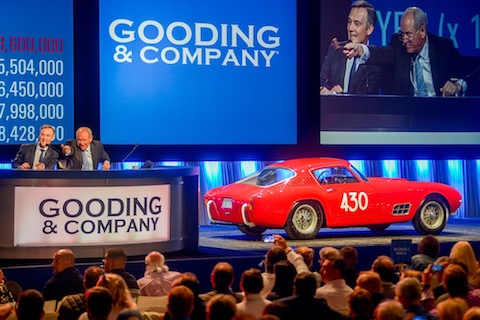
As an observer, one wonders about the obviously low highest bid. Surely you could have tipped the scales? But as soon as you bid, the dynamics change. The price automatically goes up because at least two people want the same car. But it could be that your opponent has only participated for fun or with a low personal limit and you get the car with your own, slightly higher bid?
The auction business is based on such mechanisms, but with the integration of Internet and telephone bidders, the whole thing has become somewhat less transparent.
Incidentally, the good price for the Metro 6R4 was only possible because the lot had been registered "without a reserve price". The seller therefore took the risk of receiving less than he had hoped for. But did he expect his car to perform so poorly?
.jpg)