If the tank were to shrink

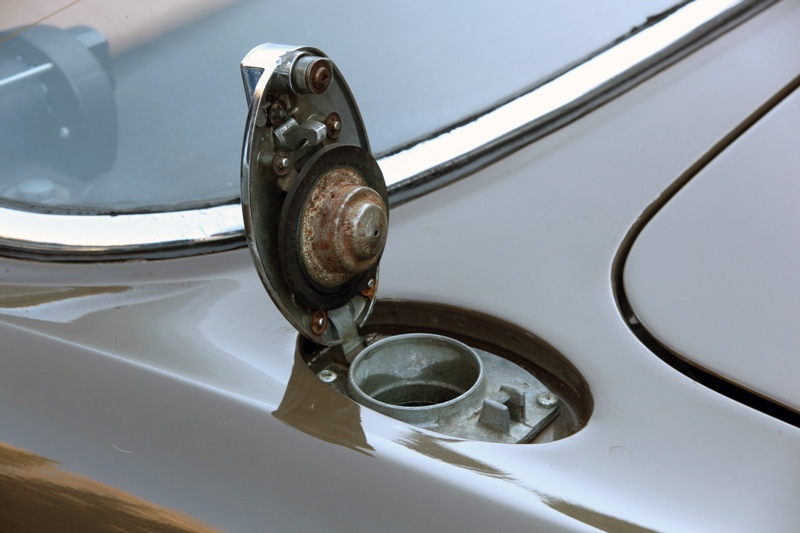
Imagine you pull up at the filling station and have to think about whether you really want to fill the tank completely. If you did this too often and then didn't use the car for a long time, you would have to expect the tank to get smaller, substantially smaller after a few years. Or you have to think about what material your tank would be made of before you decide whether you want to fill up more slowly or more quickly and perhaps take a 30-second break or so in between. And imagine that it would be easier to keep the tank volume at its original size if you only filled it up a quarter at a time and never ran the tank empty.
Do these thoughts seem crazy to you? Then you probably don't drive an electric car either. Because as an electric car driver, you need to know a lot about the cell chemistry of the batteries and the design of the battery in order to maximize its service life. And adjust your charging behavior accordingly.
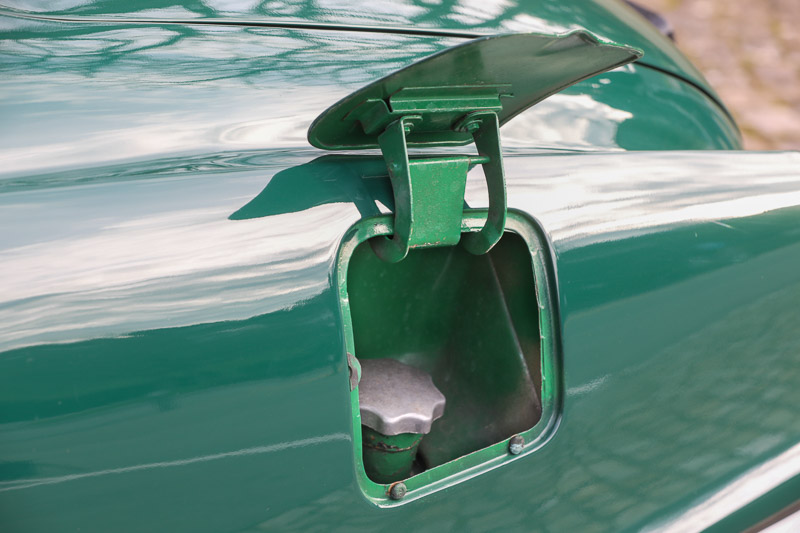
As the owner of a car with a combustion engine, you can take a much more relaxed approach to refueling. However, to be fair, it must be said that, especially with an old car, you also have to think about how much you fill the tank before winter. With a steel tank, it seems sensible to fill it full because of the risk of rust; with a plastic tank, it might be better to fill it with a little less fuel and then fill it up again in the spring, because the highly flammable components of the fuel could volatilize and the car would run worse with old fuel. Maybe add an additive for stabilization? There's probably not much more to think about, as we classic car drivers have it much easier than modern electric car owners ...