Increased need for recognition

I have already made fun of the fact that auction houses sometimes extend the names of cars to grotesque lengths in order to include as much sales-promoting information as possible. However, you can't blame them here. After all, manufacturers have been setting a good (or bad) example in terms of technical overemphasis for many decades.
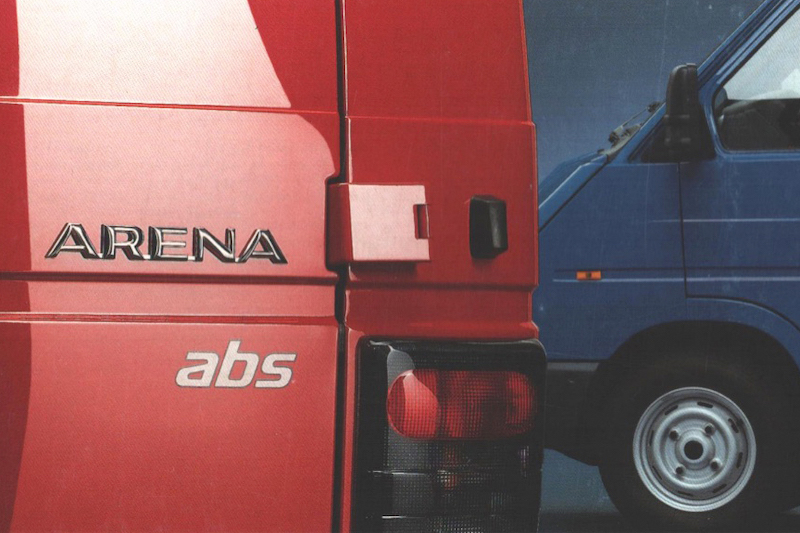
"Turbo", "Injection" or "16V" are among the most common additions behind a model nameplate. But as soon as anything other than turbocharging, mixture formation or number of valves is mentioned, people are surprised. For example, the Opel Arena, the licensed version of the then 17-year-old Renault Trafic launched in 1997, mentioned the anti-lock braking system on the rear door in order to somehow sell the outdated design as contemporary. Fiat and Toyota were just as proud of their five-speed gearboxes.
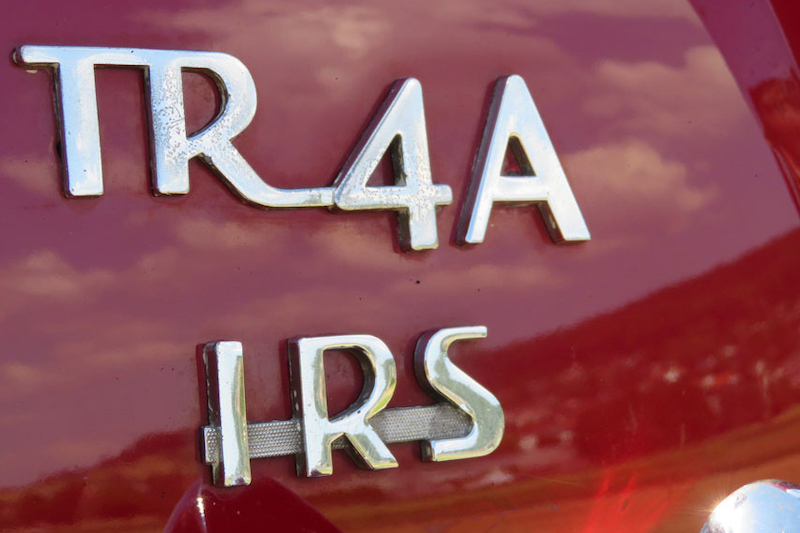
In 1965, Triumph did not stop at labeling the further development of the TR4 with a simple "A". To emphasize the progress - or rather: the connection to the present - an "IRS" was added underneath to show everyone that the old-fashioned rigid axle had finally had its day. In this case, however, it is not entirely fair to write of pure self-promotion. After all, the TR4 A was still available with a rigid rear axle on request.
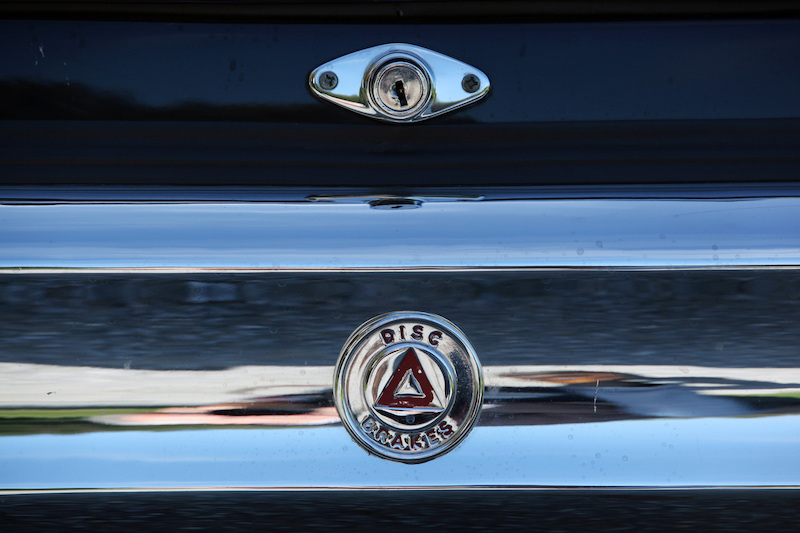
The reference to the four disc brakes on the Jaguar Mark II at least served to warn other road users and thus to ensure safety. However, if you drove close enough in your drum-braked vehicle to be able to read the sticker, the next time you braked hard, you were still stuck in the rear of the so vehemently decelerating saloon. Volvo proudly inscribed the mixture-regulating lambda sensor on the radiator grille of the 240. Opel even highlighted the reference to the catalytic converter in red.
Perhaps in times of subscriptions for optional extras, one should also refer to the extras selected. The "Automatic" made the start more than 50 years ago. It is possible that "power windows", "heated seats" and "cruise control" will soon follow on the rear of future cars, when turbocharging, mixture formation and the number of valves are a thing of the past. In the Opel Omega CD, however, the name suffix was not a reference to the chosen car radio.