How well does the classic car drive in the 30 km/h zone?

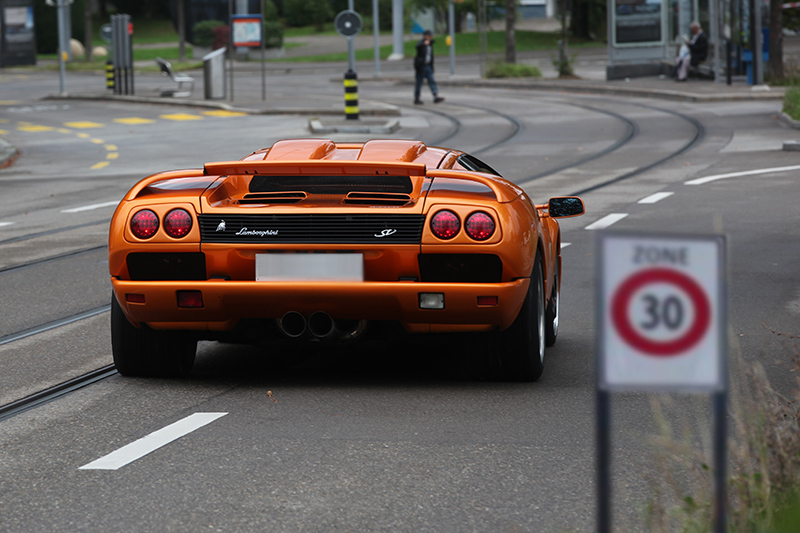
In principle, a classic car can of course drive at 30 km/h, just like modern cars, as can a modern classic car. However, the question is whether this is worse in an old car than in a modern one and whether classic car owners should actually be happy or unhappy about the constant increase in 30 km/h zones.
As is so often the case, there is no simple answer to these questions. It just depends.
In contrast to today's electric cars and the majority of new cars, the majority of old cars are manual, which is why choosing the right gear is one of the sticking points when driving slowly.
A BMW Isetta actually feels quite comfortable at 30 km/h, but it quickly becomes a little more tedious if the journey does not simply flow at a low speed, but has to be constantly restarted, accelerated and braked.
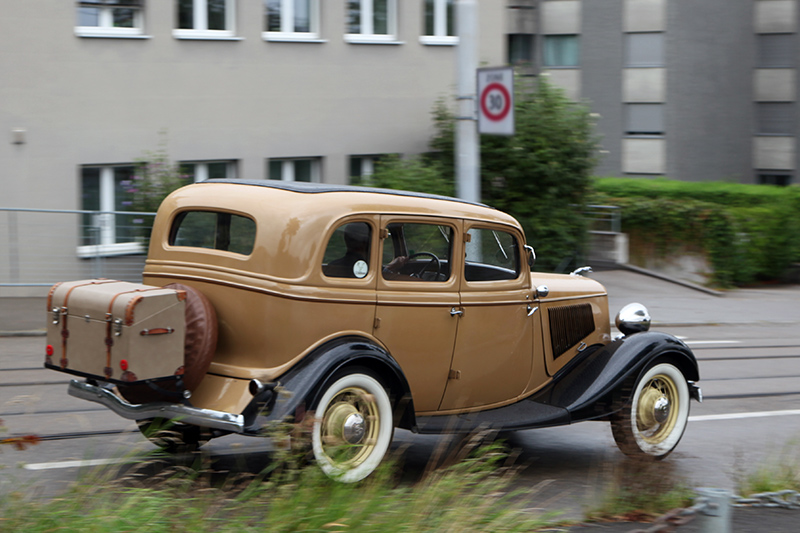
The situation is likely to be similar for classic cars over 70 years old. Driving slowly is basically no problem, and the right gear can usually be found in the more leisurely cars of the time.
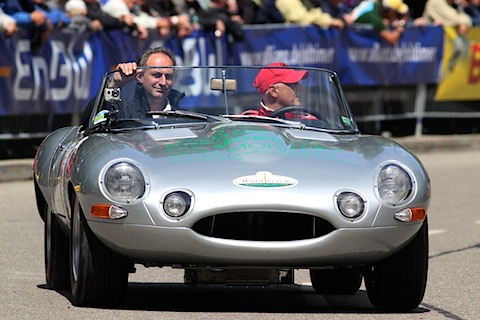
However, the super sports cars of the sixties and seventies are likely to feel rather uncomfortable when driving at 30 km/h for long periods. Somewhere between first and second gear is likely to be a problem, and stop-and-go is not a good thing for these cars anyway.
Could cooling become a problem? Perhaps, but not any more than in other traffic jams - after all, even 30 km/h already generates a bit of airflow.
However, you will hardly save any fuel in an old car at 30 km/h. At 50 or 60 km/h and a steady drive, in most cases significantly less fuel will run through the carburetor than when cruising along slowly. And the early cars, in which the tires make only a small contribution to the driving noise, are probably no quieter at 30 km/h than at 50 km/h.
What are your experiences with 30 km/h in an old car? Leave your comments and share your impressions with other readers ...