What defines the character of a car?

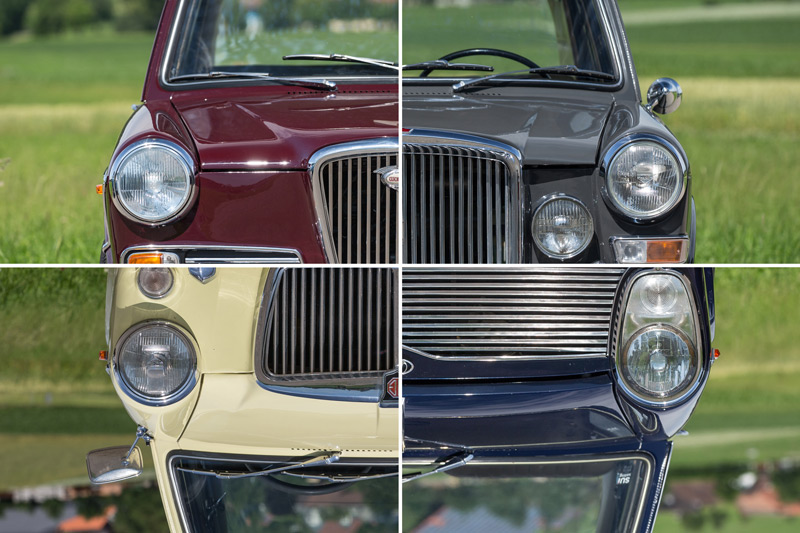
In August 1962, the British Motor Company presented the Morris 1100 as the first variant of the ADO 16 series. With a transverse front-mounted engine, front-wheel drive, independent suspension and an innovative suspension system, the car was innovative and attractive. BMC subsequently marketed it as the Morris 1100, Austin 1100, MG 1100, Vanden Plas Princess, Riley Kestrel and Wolseley 1100. Innocenti variants were also produced abroad under their own brand. In principle, however, the cars differed little; the front of the vehicle including the radiator face, the interior and add-on parts were varied.
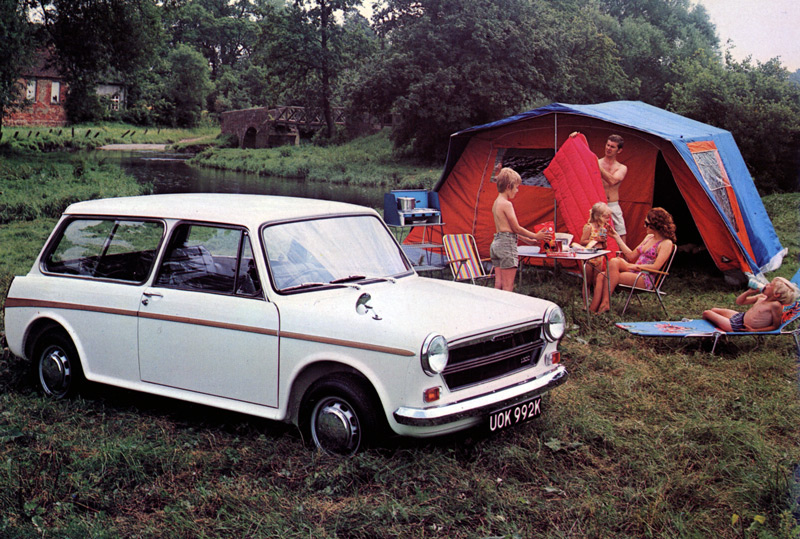
Nevertheless, the British engineers and marketing people tried to give each type its own characteristics, taking into account the peculiarities of the brands. This was clearly visible in the sales literature. The Austin, for example, was often presented as a family-friendly variant.
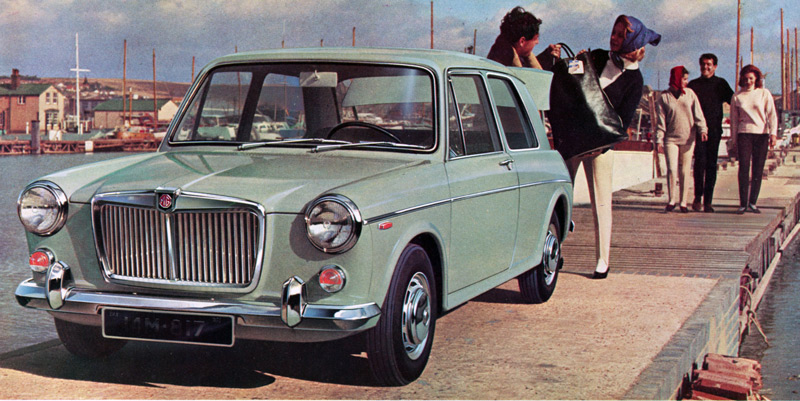
The MG, on the other hand, was aimed at young people.
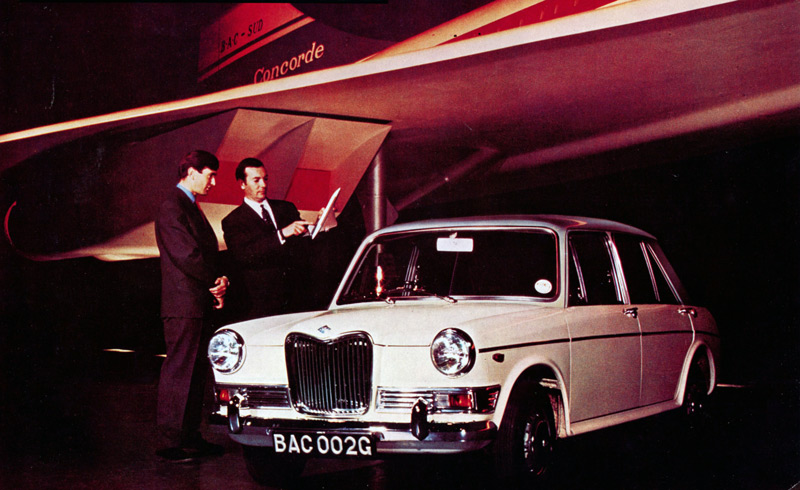
Riley buyers were obviously tech-savvy and could also do with a Concorde.
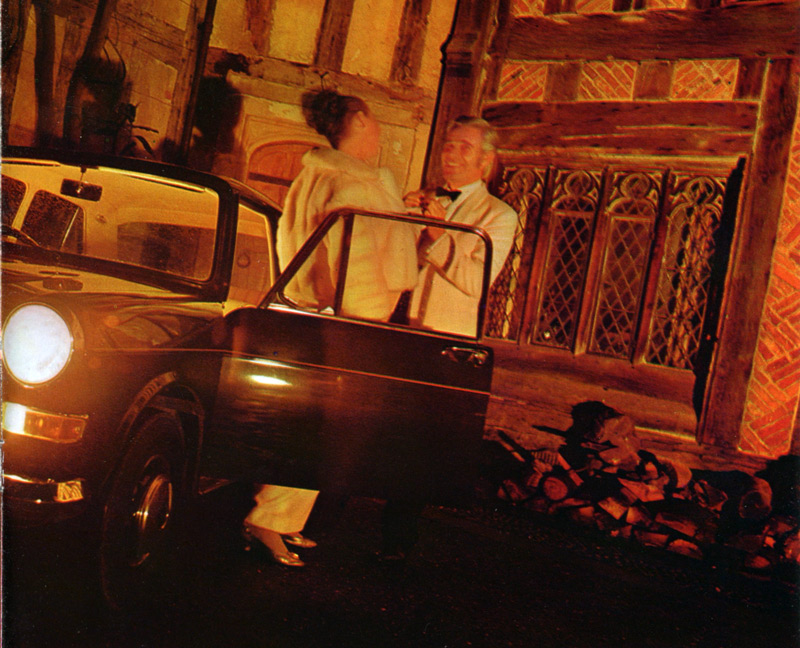
Prospective buyers of the Vanden Plas Princess were promised glitz and glamor.
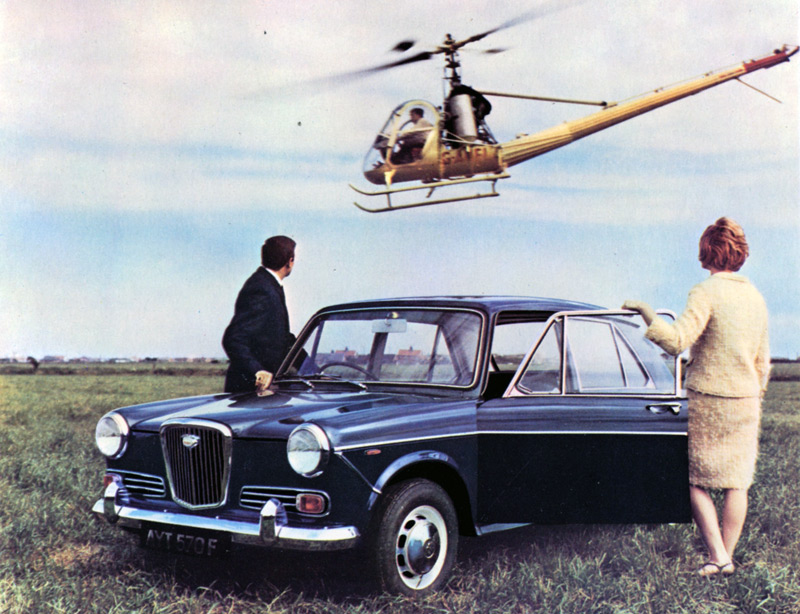
And the Wolseley driver, like the Riley enthusiast, was enthusiastic about modern technology and helicopters, among other things.
Of course, the various versions of the ADO 16 also catered to the preferences of their buyers on the inside; where one type featured a simple tape speedometer, another version was characterized by classic round instruments. Whether this was enough to give the different versions their own character remains to be seen. Today, more effort is made to distinguish a Seat from a Skoda, Volkswagen or Audi, even if the technology under the bodywork is largely standardized.