Is classic car driving becoming unaffordable and unattractive?

Petrol prices are rising steadily. In Germany, prices per liter are expected to exceed two euros next year, and prices have also risen significantly in Switzerland recently. CO2 compensation and other environmental taxes not only affect the price of fuel, but also the vehicles themselves and their use.
At the same time, more and more small garages, which until recently would have taken care of an Opel Kadett D or a VW Passat Syncro, are closing. While a whole guild of specialists gathers around top-class classics from Maserati, BMW, Ferrari, Porsche or Jaguar, there is often a lack of inexpensive maintenance companies with a competent mechanic around the corner who can take care of a variety of old cars that are not super classics, cost-effectively and efficiently. Who wants to transport their car hundreds of kilometers on a trailer to a specialist, for example to adjust the flow divider or fix injection problems?
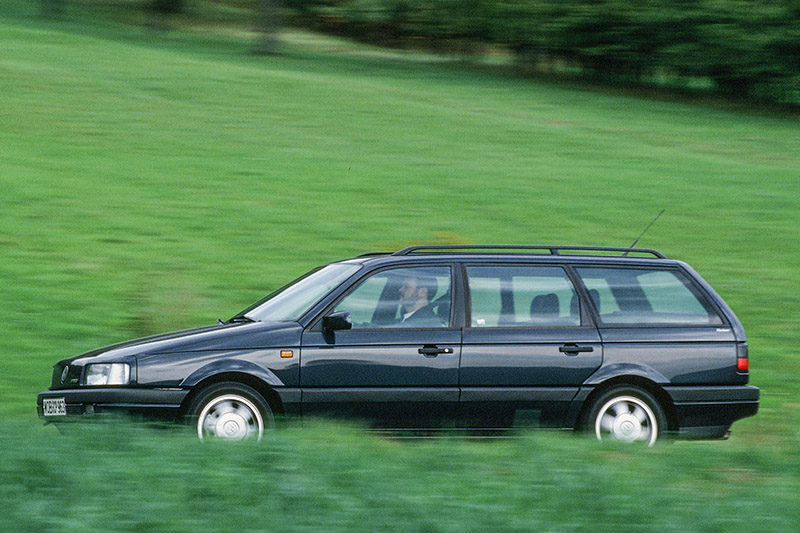
Manufacturers are less and less interested in maintaining stocks of spare parts for cheap cars of the past. Of course, they are happy to keep expensive replacement parts for a 300 SL or a Porsche 356, but less so for a Peugeot 306 or a Renault Avantime.
Depending on the situation, parking spaces in cities are also becoming increasingly expensive.
All of this taken together, the classic car hobby will no longer be affordable and attractive enough for many people, especially if there is also the threat of driving restrictions.
Can this trend be stopped? Will the broad segment of classic and vintage car owners soon be missing?
We would be interested to hear what you, dear readers, think! Please write down your thoughts in the comments to this article!