Automobile wanderer between future and past
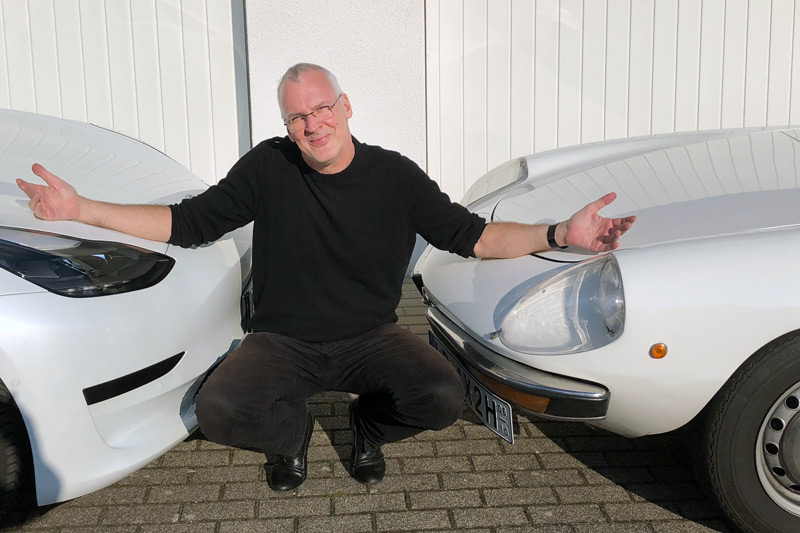
For several decades of my automotive life, as a used and classic car driver, I felt secure in a few beliefs:
- Automotive progress is a snail and nothing significant changes
- I shift gears by hand better than an automatic and I enjoy it more
- A new car is out of the question for me because of the high depreciation in the first few years.
But my view of the world has been shaken since I test drove a Tesla years ago and finally bought one last year. Since then, even current new vehicles seem like classic cars to me. But I still enjoy my open-top classic and vintage cars (including the Mercedes SLK and Alfa 1750 Spider). However, the change between the automotive future and past brings new challenges and insights.
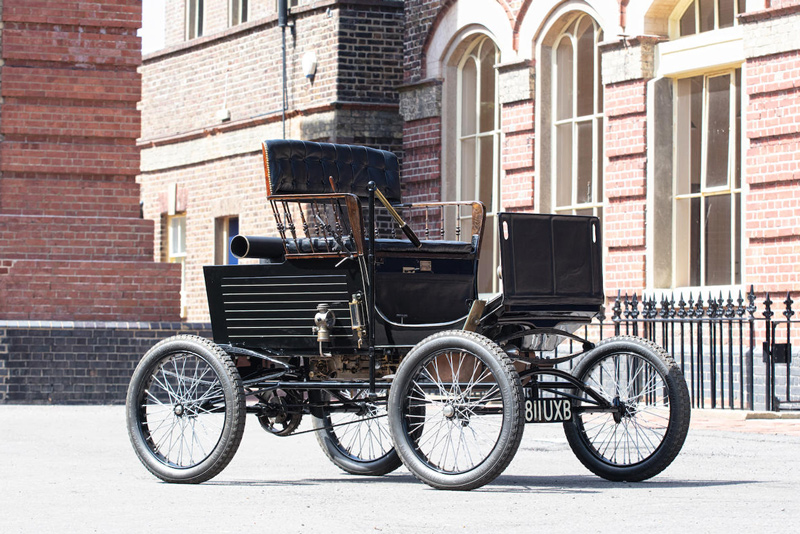
After a long period of abstinence, as a Tesla everyday driver, every journey in a manual combustion engine feels like a journey into the automotive past. Suddenly you have to think about everything yourself again and consciously operate the technology. It starts with the fact that I have to remember to take the key with me beforehand and dig it out of my pocket to finally get into the non-air-conditioned interior of the car, which is inevitably always too warm or too cold. Only after an awkward starting procedure, which requires the now unaccustomed coordination of a turning movement with the right hand and the use of both legs, can we finally get going.
While driving, the oldies require constant intervention and the operation of all possible switches, levers and pedals. Unlike an electric car, nothing happens when you press the accelerator pedal! Then the volume increases, which can only be reduced to a certain extent by regularly moving the gearshift in an L-shape where there is only a storage compartment in the Tesla, and finally the comparatively modest acceleration sets in. I also have to get used to braking again after several months of one-pedal driving.
I soon feel a certain range anxiety, as the combustion engines are not automatically charged at home and, without the remaining mileage display, I can't estimate how far I will get with the "½" shown on the display and which filling station I might find. I had almost forgotten about the ever-increasing fuel prices, as the Tesla "refueled" with solar power is virtually free.
Things got really dicey once when a delivery van came up behind me on the highway and my classic car didn't warn me as I was used to. I also felt very unsafe in the narrow lane in a roadworks without the usual sensors, apart from the fact that it is very tiring in the long run anyway to have to keep in lane all the time without the autopilot and to have to keep checking painfully over my shoulder to make sure that there is no other vehicle in my blind spot.
Back in the countryside, I (at 1.92 m) have to make awkward contortions at traffic lights with the roof down to be able to see the traffic lights above me, as there is no display to show me what they are. Even seemingly trivial functions such as switching on the lights and manually operating the windshield wipers required my attention, even if the latter always wiped too quickly or too slowly despite my best efforts.
But open-top driving is something I still miss in the modern e-car. It gives weekend and vacation drives along winding country roads their very special charm. In return, I'm happy to accept the increased operating and attention requirements in a classic car, even if I've been more concerned with maintaining them than driving them this year. But that's also part of our hobby, which is no longer necessary with modern electric cars. At least the Tesla drivers, who are still few and far between, say hello to each other, just as I'm used to doing with classic cars.
As a wanderer between eras, I realize that I have quickly become accustomed to many of the comforts of the automotive future, but still like to take myself back to the past from time to time.