Airborne - the short flight of Devin D

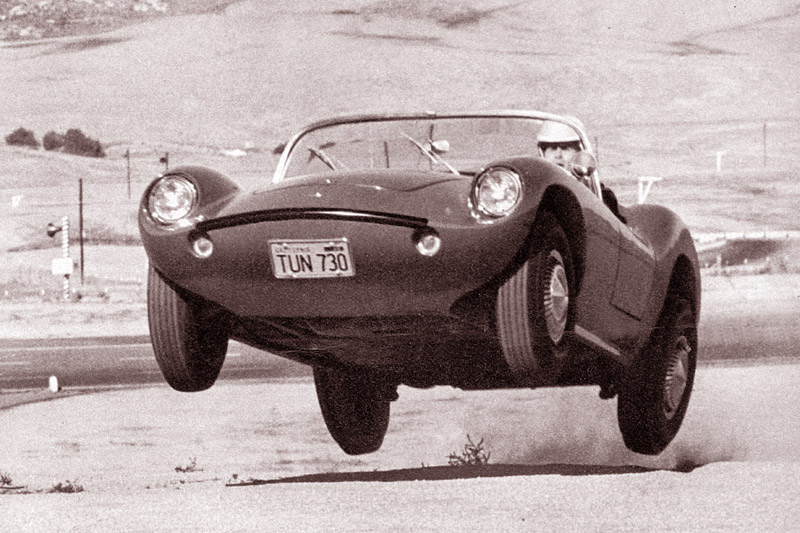
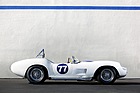
Translated, "airborne" simply means "in the air". The term is used when an airplane has left the ground, just like the Devin D in the picture above. This small sports car was predicted to have a great future in this country in 1961, and there was even talk of European importers and licensed production after the car was presented at the Geneva Motor Show.
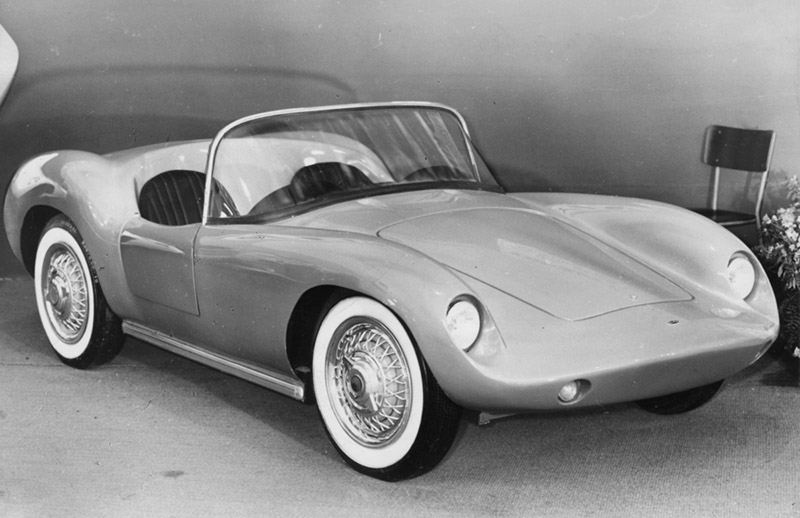
The magazine "auto motor und sport" did not want to stand on the sidelines and published a test report from the American magazine "sports cars graphic" in the summer of 1961.
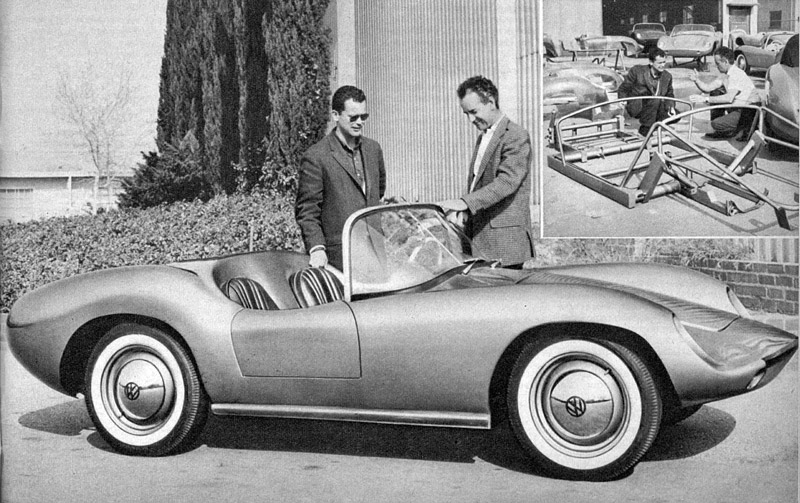
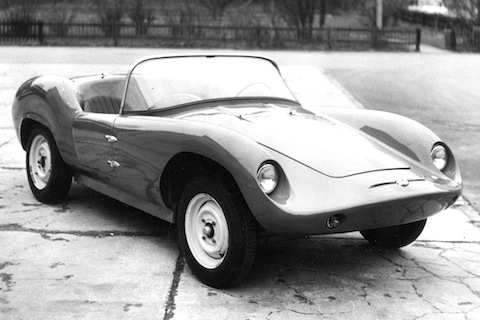
Its editor was very impressed by the plastic sports car with Volkswagen parts (engine, gearbox, suspension, brakes) and reported on the many advantages and few disadvantages of the fully assembled Spider, which cost just under USD 3000 (it was also possible to buy it as a kit for USD 1495 without the VW parts). Bill Devin also fitted a Porsche engine for an extra charge and Porsche brakes for additional money. That's why Devin D Porsche variants keep popping up today. The rest of the car came from the Devin factory and consisted mainly of a tubular frame and the plastic body. Empty, the Devin D weighed 543 kg.
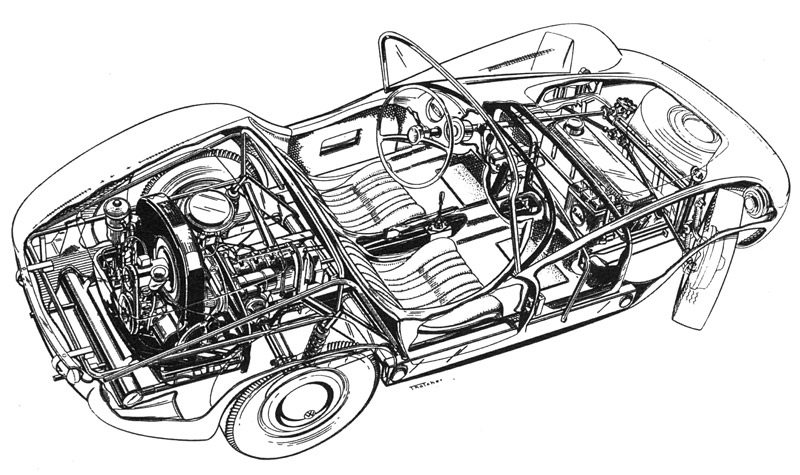
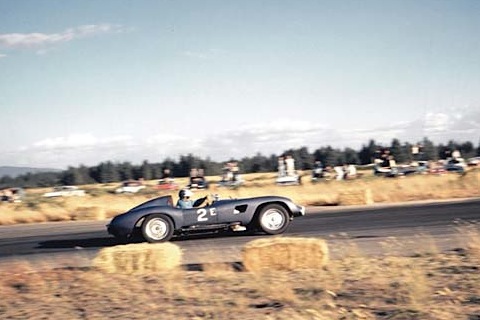
Sportiness was defined somewhat differently 60 years ago than it is today, as the Devin D with a standard Beetle engine needed just over 18 seconds to sprint from 0 to 100 km/h. And it ran just 125.6 mph. And ran at just around 125.6 km/h. But it looked like a Ferrari from the 1950s, even though the hump over the rear engine made it look less attractive than other plastic bodies that Devin offered for conversions of Triumph or MG models with front engines.
Incidentally, the Devin D's flight to fame was short-lived, and a variant with the name Winnetou and Skoda technology did not have much of a future either.
P.S. During the flight of the Devin D (picture above) you can clearly see that the weight is at the rear, other cars would probably stick their nose into the ground during the same maneuver ...