When lightweight construction was still the order of the day

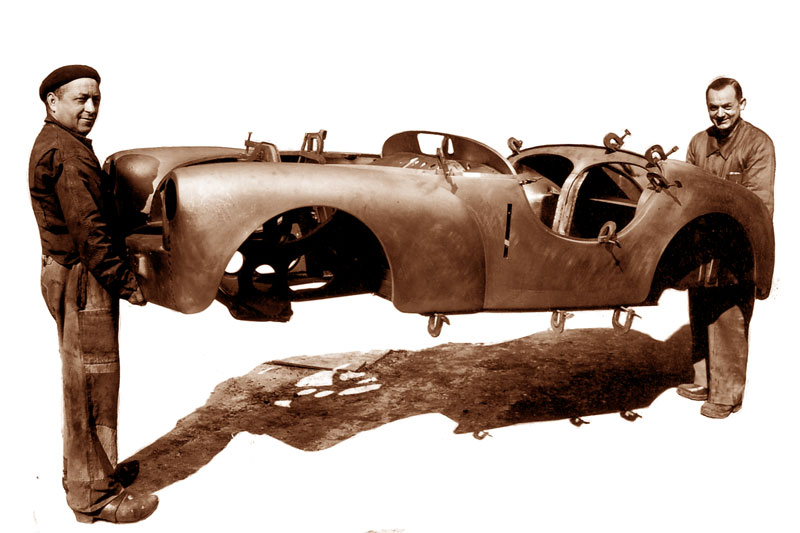
Today, a normal passenger car can easily weigh 1500 to 2500 kg. In the post-war period, when materials and money were in short supply, such excesses were out of the question if you wanted to build a "Volkswagen". One such car was created shortly after the Second World War as a secret project at the Société des Usines Chausson.
The entire car weighed just 300 kg and could carry two people. 330 cm3 and one cylinder were enough to achieve a respectable speed of 80 km/h with 3 hp and, above all, low fuel consumption.
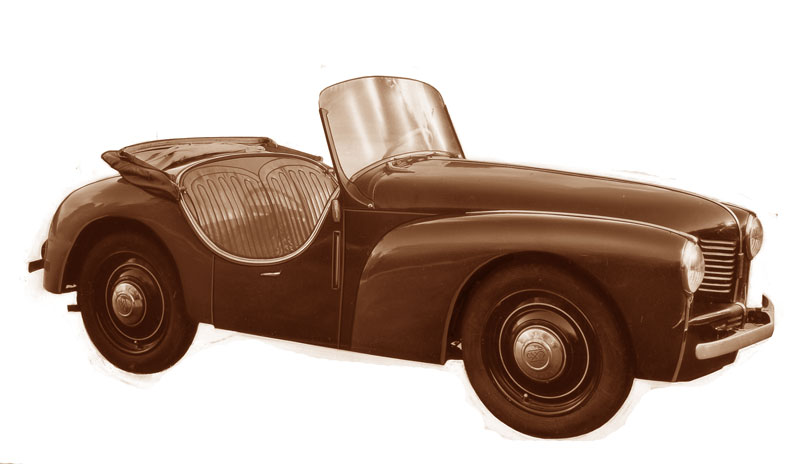
But luck was not kind to the little French Volkswagen experiment. Production was impossible in post-war France, but the Briton Tom Delaney tried to build the small car in England. £300,000 to £400,000 would have been enough to finance series production, but nobody wanted to put up that kind of money at the time.
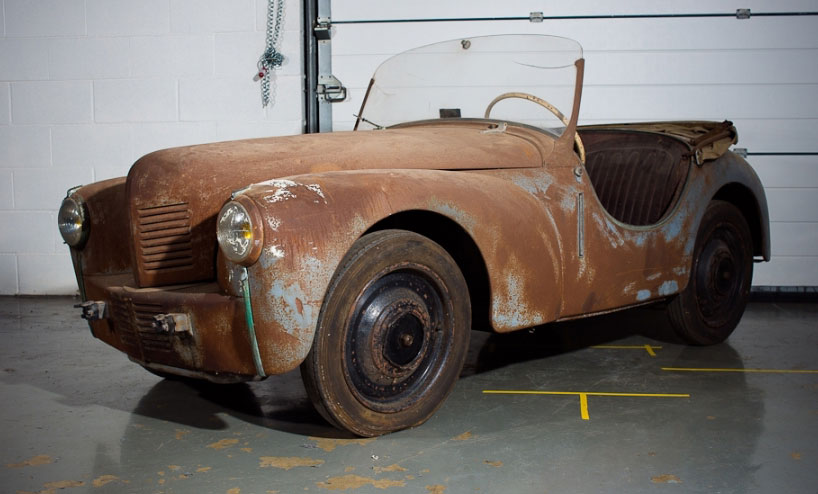
Nevertheless, the prototype from 1946/1947 that Delaney took to England has survived. It was sold by Silverstone Auctions in 2012 in sad condition for £11,200.
P.S. The Chausson was one of many attempts after the war to build an affordable passenger car. Few of these projects were successful and most took years to catch on. We have summarized some of these small cars in a themed channel .