Will there be a renaissance of pre-war classic cars?

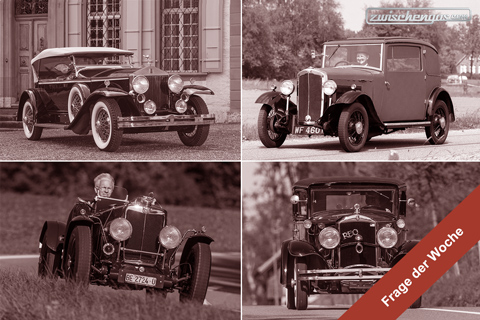
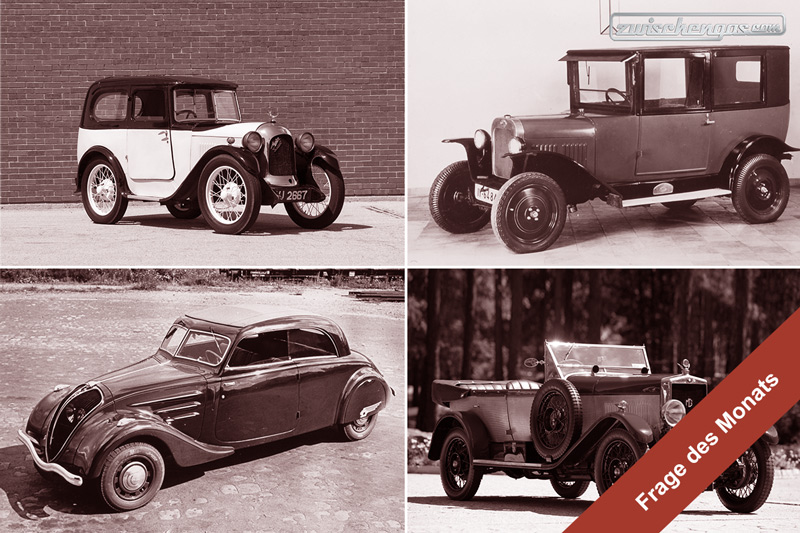
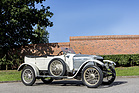
Valuations for pre-war classic cars have been trending downwards for years, with exceptions such as historic Bugatti or fast sports cars proving the rule. Even lavishly restored cars from the 1920s and 1930s hardly achieve mid-five-figure sums at auctions anymore, unless they are particularly elegant or fast vehicles. Buyers have turned to cars that are easier to drive and more reliable, as we read everywhere. That may be true, but whether it will stay that way is unclear.
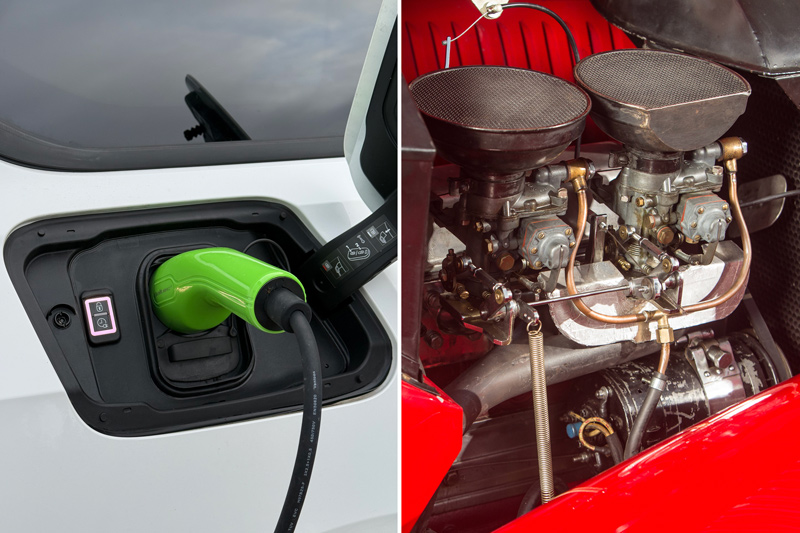
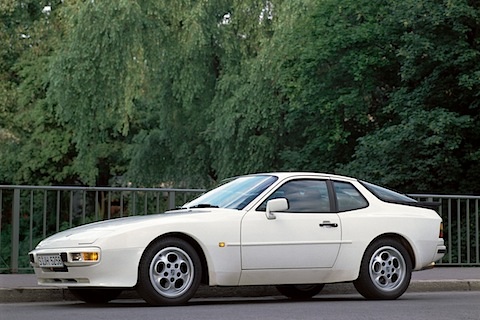
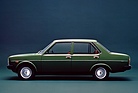
The "new" classic cars, i.e. cars built in the 1980s, are becoming more and more complex and difficult to maintain and preserve unless the manufacturers offer extensive support. A BMW M3 E30 or a Peugeot 406 Coupé can hardly be kept alive in the long term with simple means, such as those often found in a hobbyist's workshop. The situation is completely different for pre-war classics and, in some cases, cars from the first post-war decades. With a willingness to improvise, these cars can always be kept in running order, even without an extensive stock of spare parts. The mechanics proved this back in the seventies and eighties, when the spare parts situation was even more difficult than it is today.
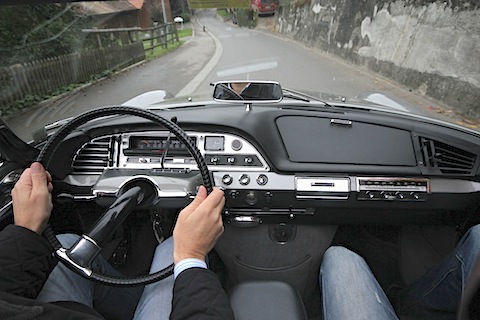
And if one day you are only allowed to drive on selected routes, when ever stricter speed limits push the average speed down towards 30 or 40 km/h, then the really old cars will be more fun because they behave so fundamentally differently to young classics and also present a challenge at low speeds.
Classic car enthusiasts may discover this in the future and turn their attention back to older cars. And thus increase demand again. Perhaps.
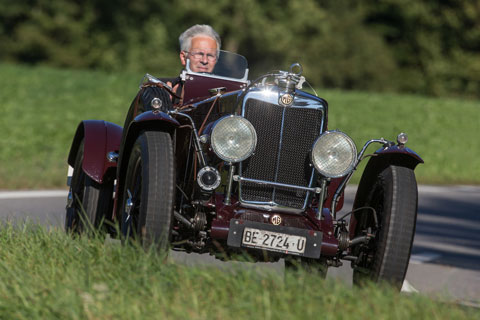
P.S. In Amelia Island, rustic pre- and post-war MG classics have just been traded at really low prices at Bonhams . If our theory is correct, the downward trend could reverse at some point ...