Why restorations are still valuable despite the lack of economy

12/10/2010
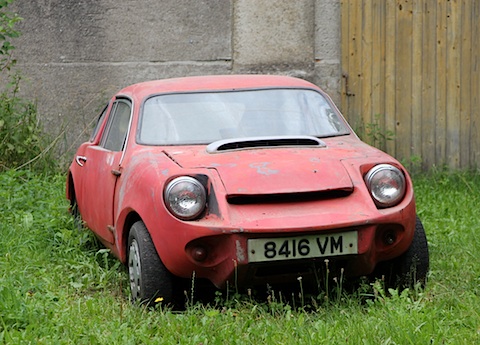
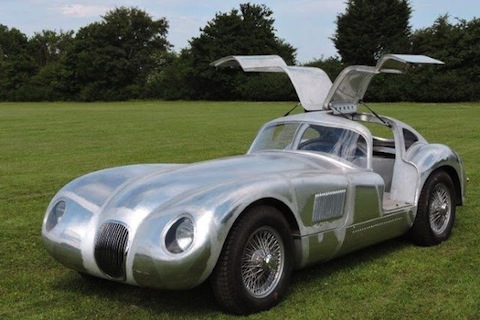
It's a sad reality that the cost of a restoration often exceeds the value of the vehicle.
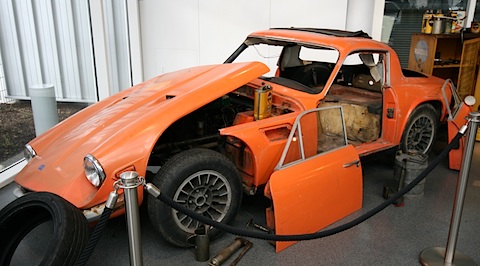
Unless you start with a Ferrari 250 GTO barn find or find a Bugatti in your late uncle's garage, the math rarely adds up at the end of the day when value generation is the benchmark. Nevertheless, many less exotic vehicles are restored with hundreds and thousands of hours of work and the result is still valuable for the owners and financiers, because:
- It is a great experience to return a car from deplorable condition to its original glory
- When you do it yourself (or have done it yourself), you know exactly what you have in the vehicle. Peter Kraus, for example, who does his own restorations, once said: "With this car, I now know a screw that connects"
- The bond with a vehicle that you have restored yourself is much stronger, you won't give the car away so quickly. What's more, you usually know a lot more about a restored vehicle.
- With a restoration, even if it doesn't really make financial sense, you are preserving automotive history and protecting cultural assets from destruction
- The process of a restoration is extremely interesting and sometimes also very exciting, whether it is just the search for rare parts or finding out what color and material combinations were used at the time
- Restoration creates (local) jobs and promotes a trade that will become even more important in the future
- A restoration has an influence on the end product and can improve certain things or adapt them to requirements if necessary
There are many good reasons to restore a car. And when we re-string a tennis racket or have the gardener beautify the garden, we don't always ask for a profitability calculation.
Share this article with your friends!