What drivers wanted at the beginning of the 1960s - blinker reset and brightly painted engine compartments

From today's perspective, we can hardly imagine that seats are not adjustable, blinker levers are not automatically reset or that cars are operated with 6-volt systems. In the early 1960s, however, things were still different, at least to some extent.
The magazine Motor-Rundschau repeatedly asked its readers about their preferences, for example in January 1962, whether they were in favor of blinker operation with automatic resetting: 77% voted for automatic resetting, 23% against. The arguments of the opponents are interesting: the blinker goes out during steering corrections, the automatic reset does not work as desired in city traffic, manual actuation gives you better control over the actuation, unnecessary costs and source of interference, double caution and attention required, etc. were the reasons given by the opponents.
The following surveys and results from the years 1960-1962 are also interesting:
- 99.32% of MR readers favored replaceable fenders (i.e. not welded)
- 69% voted for heavy, highly effective bumpers
- 100% preferred the magnetic oil filter
- 87.2% preferred circular steering wheels to other special shapes
- 63% voted for upright pedals, 37% for hanging pedals
- 72.6% wanted a rear window with windshield wipers
- 97.22% wanted reversing lights
- 98.4% voted for adjustable front seats, 82% for height adjustment
- 89.7% voted for seat belts
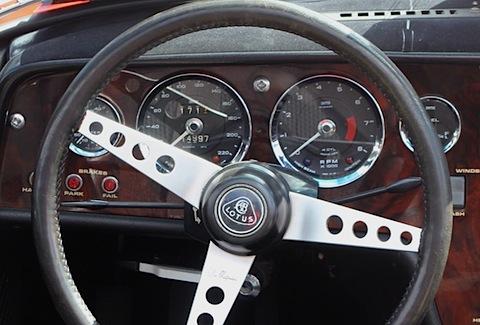
- 75% named a rev counter as desirable
- 88% thought that a spare canister should be in the car
In March 1962, 90.4% of MR readers were in favor of front hinged windows , as they provided low-draft ventilation, increased the supply of fresh air even in rainy weather, enabled quick opening and were simply practical. The reasons given by opponents were that they favored theft, whistling noises, visibility disadvantages and the preference for other ventilation options.
The result of the April 1962 survey was also exciting, as only 64% preferred a 12-volt system to a 6-volt system. The reasons given by the 6-volt fans included the wide availability of 6-volt components in Europe, the lower costs, the lower weight, the faster testing, the longer service life of the bulbs and the fact that spare parts were always available.
The survey in June 1962 seems almost funny, when 81% were in favor of a brightly painted engine compartment, while the 19% opponents mainly mentioned the increased cleaning effort and more expensive painting costs.
Yes, from today's perspective, some of these surveys may seem strange, but it shows thatdrivers of the past were much more concerned with the technology and design of their cars than modern car owners tend to be.