Technical complexity in the course of time


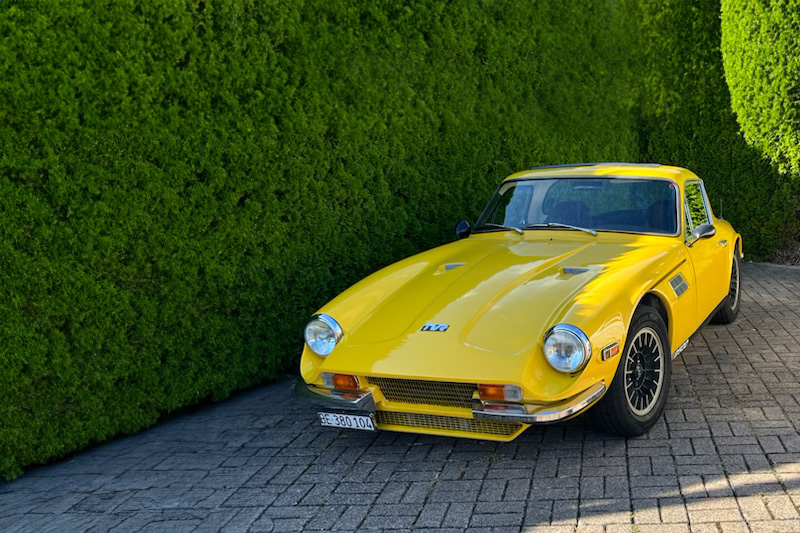
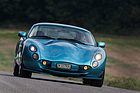
In the mid-nineties, I bought a TVR Griffith 500 as a new car, just when the British pound was cheap. Two years later, I was able to sell the car, which had covered just under 10,000 km, for almost the same price I had originally paid. I took this opportunity, because somehow I had the feeling at the time that the modern technology installed would not be so easy to maintain in the future and that the Griffith, with its immobilizer, alarm system and electronic engine control, was already a pretty complex car.
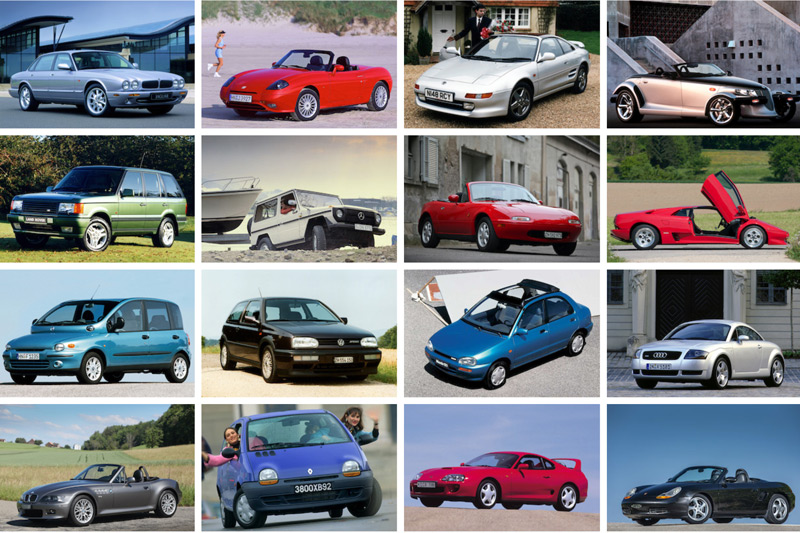
Today, 25 years later, I have to smile a little at my assessment at the time. The cars of the nineties are considered relatively simple and still manageable compared to those that were created 20 or more years later. There was still a CAN bus, hardly any networked sensors and no army of computers that had to be able to communicate with each other in order for the car to drive.
Of course, the control unit of such a Griffith could break down and the tangle of wires leading to this data processor could be scary, but compared to what happens in a car today, everything was still pretty straightforward. This also changes our perception of technical complexity.