Will (recent) history repeat itself?


It is quite a surprise. The sales figures published by the Record Industry Association of America (RIAA) for the first half of 2020 speak for themselves. Vinyl records sold significantly better than CDs (USD 232.1 million versus USD 129.9 million). The older and actually inferior technology is therefore selling twice as well as the newer and more modern sound carrier technology. The turnaround was not entirely unexpected, as vinyl records (33 revolutions per minute) have steadily gained in popularity in recent years. While the CD is being displaced by streaming and download providers, not least due to coronavirus, sales of the black discs have even increased compared to the first half of 2019 despite the pandemic.
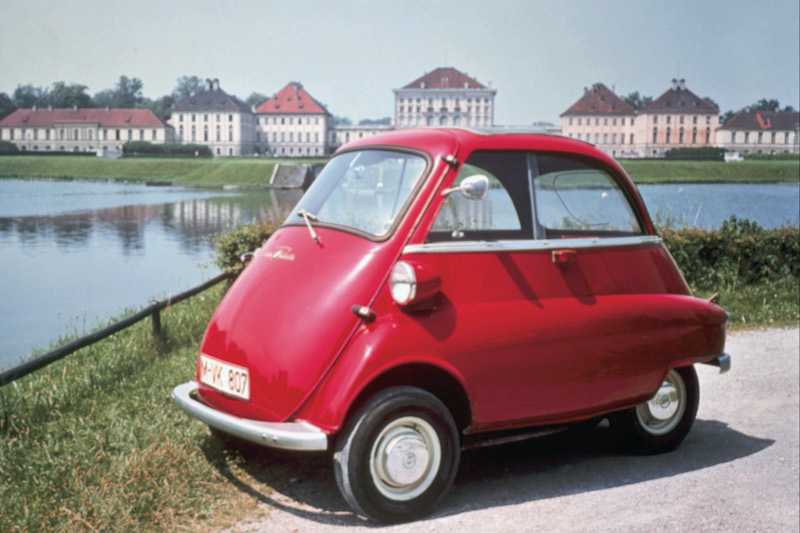
And what does this have to do with the car? At first glance, nothing at all. But on closer inspection, there are parallels. The combustion-powered car could be compared to a vinyl record, while the digital compact disc would be the equivalent of an electric car. We are currently in a phase in which cars with gasoline or diesel engines are being replaced by electric vehicles. It is fairly certain that this process will continue. In 2030 and beyond, the electric car will be the norm and the combustion engine a niche product.
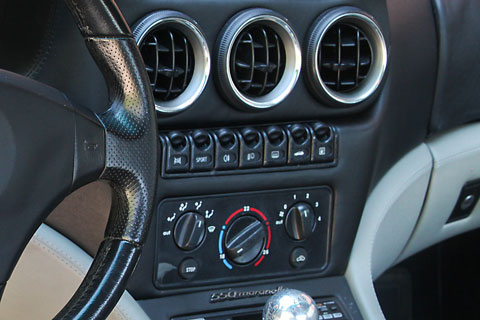
But perhaps by then at the latest, people interested in cars will remember that a vehicle with an internal combustion engine is more interesting to the touch, more exciting with its faults and much more fascinating with its tangible (and visible) technology than a moving computer, which mainly consists of batteries, a little motor and entertainment electronics. Perhaps something else will come after the electric car (such as downloading/streaming after the CD) and the car with a petrol or diesel engine will become interesting again at the latest with this generation change. One can always hope ...