The special features of the Porsche Sportomatic

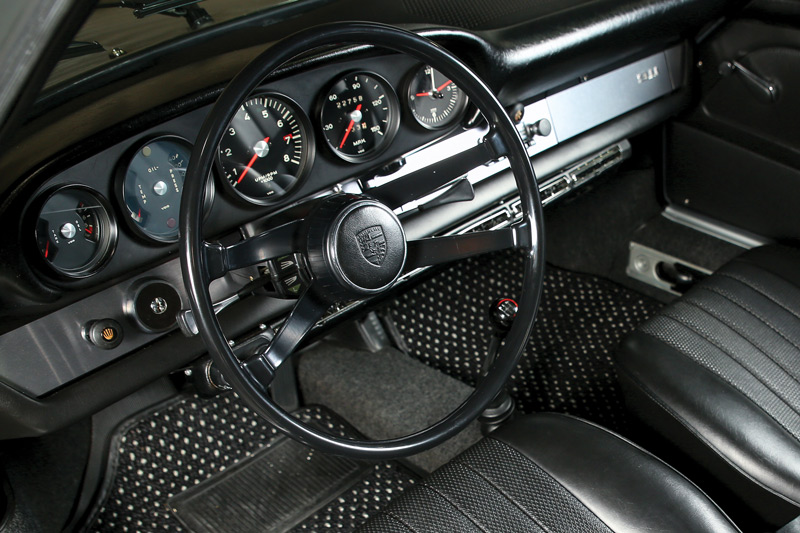
In 1967, Porsche introduced the "selective-automatic" transmission "Sportomatic" for the 911 (and later the 912). The sales brochure promised :
"With the 'Sportomatic', the driver can still shift gears when he wants and as he is used to. But he does not have to change gear. Especially not in situations where he is forced to keep up with the flow of traffic and shifting gears is a gain, but in the long run becomes a burden.
The clutch pedal is no longer needed, because the hydraulic torque converter takes over the function of the starting clutch, continuously converts the power output from the engine and automatically adapts it to the respective driving situation. The clutch required to change gear operates automatically as soon as the driver initiates the gear change. "
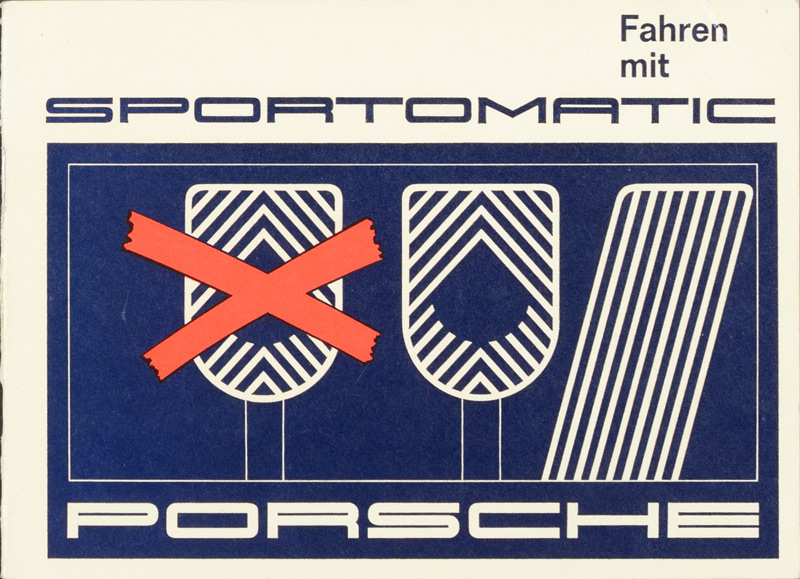
And because they wanted to give the driver a better understanding of the peculiarities and characteristics, they printed an almost 40-page operating manual , which also included maintenance instructions and a comprehensive description of the functions.
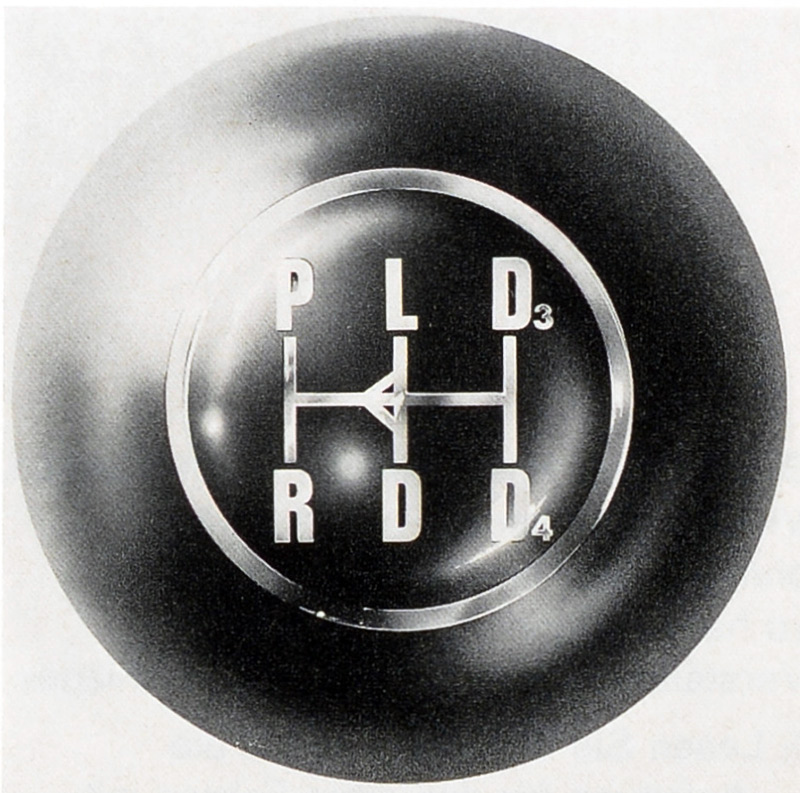
As a newcomer, you are amazed when you look at the wiring diagram. P for Park, R for Reverse, L for Low (actually first gear), D for Drive (but actually second gear), D3 (third gear) and D4 (fourth gear). All clearly arranged in an H with an additional gear.
In fact, it was recommended to normally start off in second gear (D) and not to leave this gear in the city. Starting off was also possible in D3 and D4, but the acceleration was of course anything but sports car-like. Starting off in "L", i.e. in first gear, was actually only intended on inclines.
But this was not the only important note. The early 911 also had a hand throttle between the driver's seats. When the engine was cold, it was recommended that the hand throttle lever be pulled up so that the engine ran smoothly and did not stall. And when driving uphill, you had to keep an eye on the oil temperature and shift down to the next lower gear if necessary.
"Sporty driving becomes even more interesting with the Sportomatic. The hydraulic torque converter continuously expands the mechanical transmission ratio of each drive stage and enables optimum use of the engine power with ease. You can choose and shift between the four gears at will - for accelerating or braking. The gears are changed quickly yet smoothly. Experienced drivers will find it particularly interesting that the left foot is also available for braking," the instructions explained.
And indeed, this gear shifting was not quite so unsportsmanlike; after all, Hans Herrmann and Jochen Neerpasch, together with Vic Elfort, won the "Marathon de la Route" over 84 hours on the Nürburgring on August 22-26, 1967. They covered 9900 km with an average speed of 117.8 km/h. And their left leg certainly didn't cramp up.