Modernization of antiquity - VW 1302 and 1302 S in the (historical) test


You have only
1 out of 20
images seen in high resolution


Summary
In August 1970, the VW 1302 appeared with a new chassis, longer wheelbase, larger trunk and more powerful engines. The progress made on the new Beetle was commendable, but problems and criticisms remained. This historical test sheds light on the peculiar car that wanted to break out of its Beetle shell but could not and was not allowed to.
This article contains the following chapters
- Space
- Luggage
- Getting in, getting out
- Equipment
- Operation
- The engines
- Chassis, suspension, brakes
- Tires
- Safety
- Noises
- Heating, ventilation
- Driving with a caravan
- Workmanship, durability
- Maintenance, care
- Spare parts
- mot overall verdict
- Technical data 1302 (1302 S in brackets)
Estimated reading time: 19min
Preview (beginning of the article)
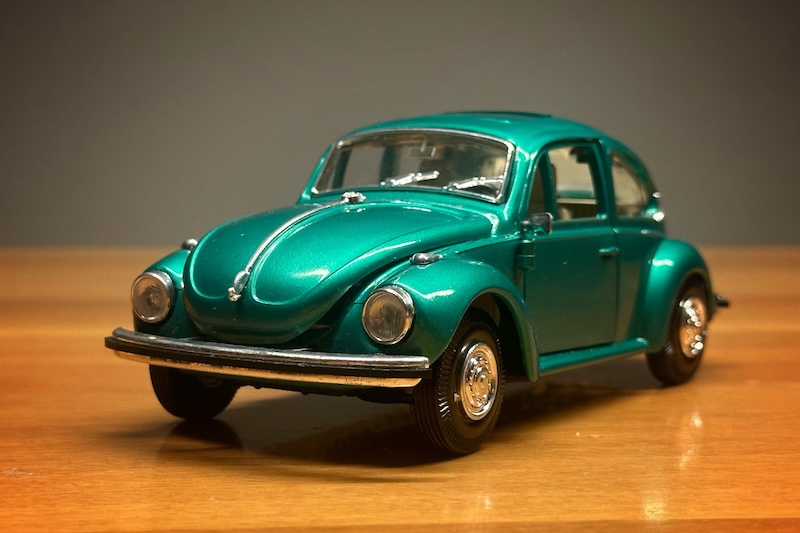
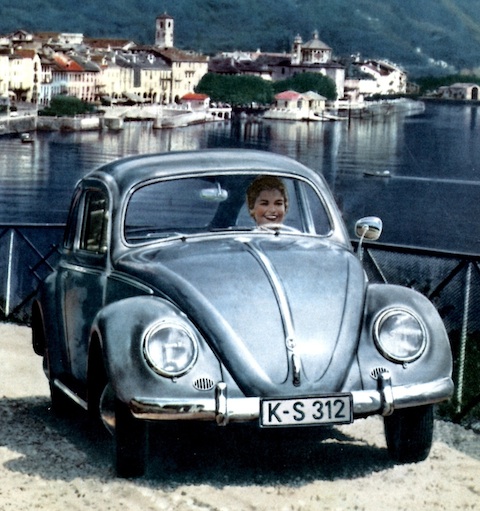
Beetle shape unchanged, changes less noticeable: new front hood wider and more curved, front cut off above bumper height and thus also appearing wider, fenders and side panels inconspicuously adapted. At the rear, the air slits of the rear space ventilation at the side, VW 1302 or 1302 S lettering on the rear, all this is hardly noticeable. You can't see that the wheelbase has been increased by 2 cm, but you can see the increase in track width at the front (7 cm), and the new model hangs higher in the springs because the suspension struts allow more suspension travel. Wolfsburg did not risk a new body, although it would hardly have been more expensive than the radical redesign of the entire front section. The Beetle sells itself as a concept, with a normal body it would be a car like any other. The shape is not without its advantages: aerodynamically quite favorable; small dents and scratches are most likely to get on the rather cheap fenders, not so easily on more expensive body parts; the edgeless Beetle slides through the automatic car washes as if made for it.
Continue reading this article for free?
Images of this article