The winter car - a contradiction?

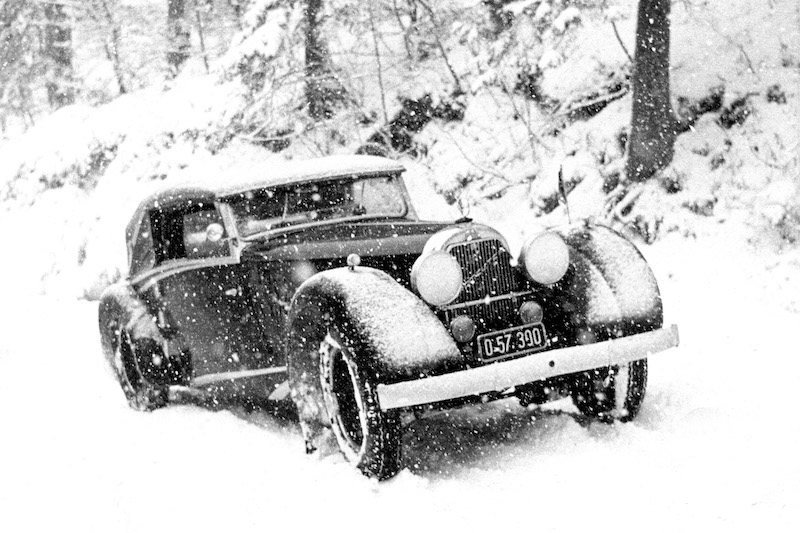
While pictures of stranded Tesla drivers whose batteries have reacted to the winter freezing temperatures with spontaneous deep discharging are going around the world these days, supporters of combustion-powered transportation are laughing up their sleeves. After all, a combustion engine always generates enough heat for safe operation. However, it should not be forgotten that the internal combustion engine was also prone to failing in winter in its youth.
There were icy carburetors that prevented the flow of fuel; viscous diesel oil that refused to ignite spontaneously; or - which prevented you from getting into the car at all - frozen door seals. At least these are a thing of the past in the age of permanently stationary electric cars. And hopefully also those negligent lazybones who only clean a snowed-in car with the windshield wipers.
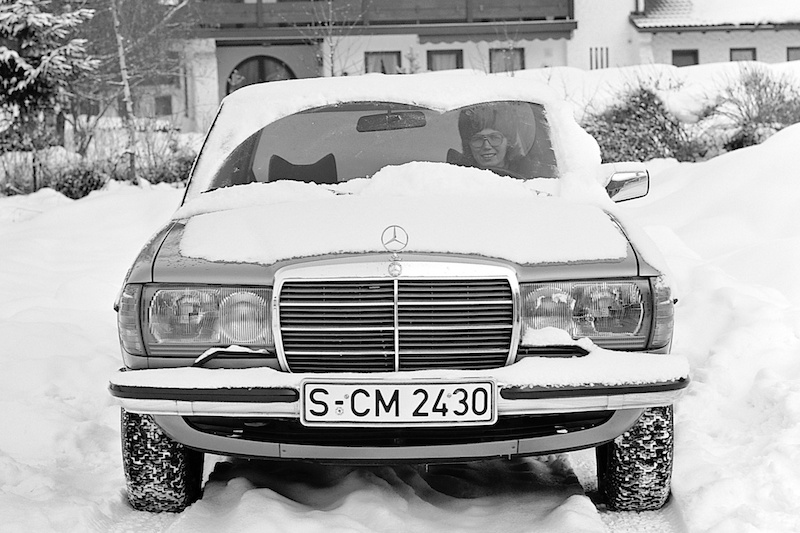
It is also often forgotten today that petrol engines could not only overheat, but also overcool. If, for example, the thermostat jammed or the radiator skirt was insufficient and the oil did not reach operating temperature, the poorly lubricated engine ran with greatly increased wear - which, in the worst case scenario, meant that you ended up on the side of the road with no drive at all, just like the Tesla drivers without a charge.
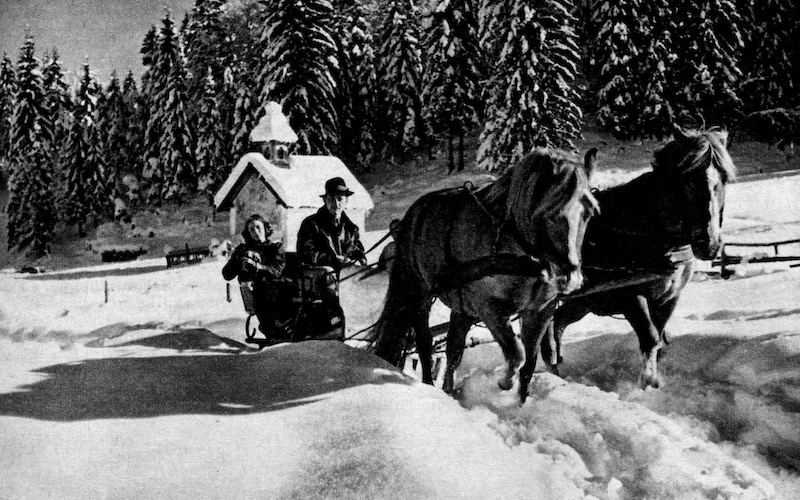
But even if the motor runs smoothly regardless of the energy source, winter still has enough other inconveniences to make life difficult for motorists. A lack of static friction occasionally prevents braking or steering - lucky you who couldn't even start off. After all, James Bond already recognized in his deadly mission that the horse-drawn sleigh is superior to the car in winter. But someone should tell that to the road clearance service...

.jpg)