Maximization - Austin Maxi in the (historical) test


You have only
1 out of 26
images seen in high resolution
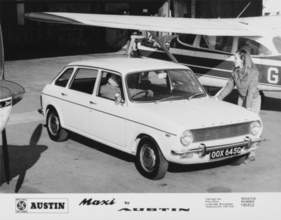
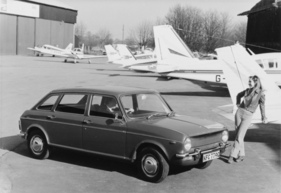
Summary
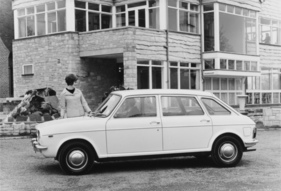
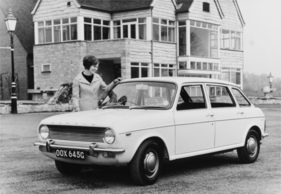
The Austin Maxi, which was launched in 1969, was intended to set new standards for everyday cars in England. It appealed to reason and economic thinking and was not intended to offer much prestige, let alone sporting performance, which is why it was not very popular at the beginning. However, this historical test report reveals what made the Series II car the least problematic Austin model of its time.
This article contains the following chapters
- Motor
- Gearbox and gearshift
- Chassis
- Bodywork
- Living with the Maxi
- Driving behavior
- Plus points
- Minus points
- Overall verdict
- Technical data & measured values
Estimated reading time: 17min
Preview (beginning of the article)
Until 1959, England's cars were considered technically conservative to backward. Then came the Mini, which changed everything. Ten years later - in 1969 - the Austin Maxi was introduced; a car that also deviated from the beaten track and was to set new standards for everyday cars. Neither Austin had an easy time winning the public's favor at first. The Mini only gained acceptance when it began to disrespectfully mow down its high-horsepower rivals in sport and has remained a classless car to this day - something that only the VW Beetle has ever achieved. The Maxi, on the other hand, appeals to reason and economic thinking. It therefore has a hard time selling. Yet it deserves far more credit, because after the Mini, it is certainly the best horse in the Leyland stable - in a different field.
Continue reading this article for free?
Images of this article