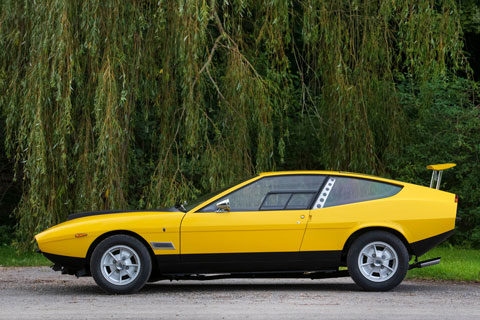
Cars are not only getting wider, but also higher and higher

The fact that cars have become wider and wider over the years is already widely discussed. But what receives less attention is that vehicles are also growing steadily in height. And we are not referring here to the trend towards SUVs, which are naturally built higher, but to the growth in height within vehicle series and categories.
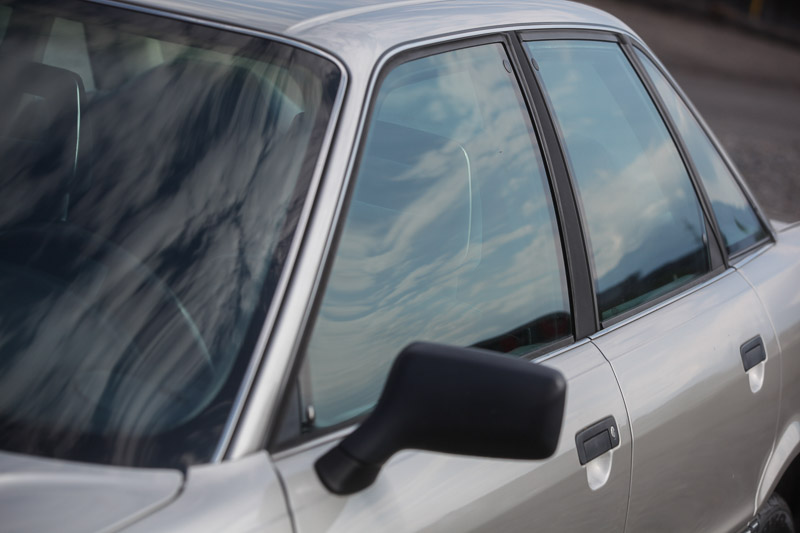
When we recently looked at the now almost 30-year-old X300 generation Jaguar XJ6, we were struck by how low the saloon was. And that the four-door had grown a little in height with almost every generation. The XJ6 started out in 1968 with a height of 1345 mm, the XJ40 at the end of the 1980s was already 1378 mm, and the last XJ generation was then 1461 mm high.
The situation is similar for the Mercedes-Benz S-Class. The W116 from 1972 was available from a height of 1410 mm, today's S-Class of the W223 model series rises 1503 to 1510 mm into the air, depending on the model.
But this is not only the case in the luxury class. The Golf 1 was 1390 to 1410 mm high, today a Golf VIII measures 1458 to 1498 mm in height. The Passat is no different, the B1 from 1973 was 1360 mm high, the modern B9 is 1456 to 1506 mm depending on the model.
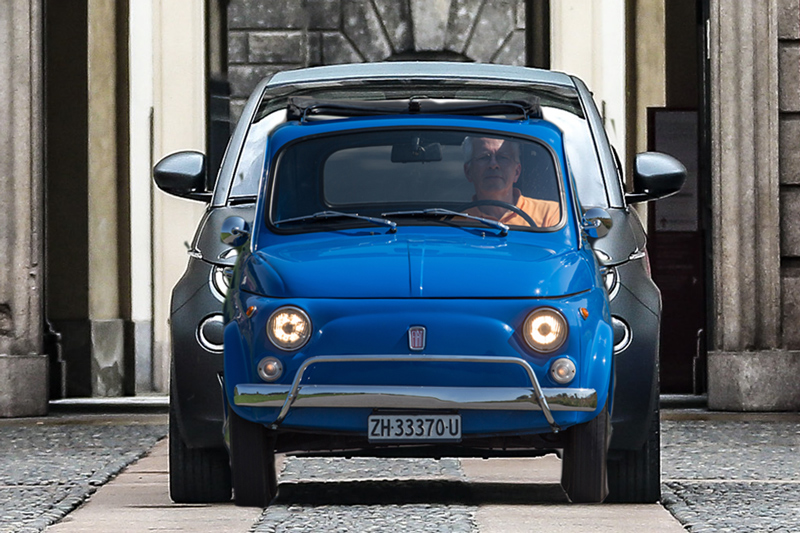
Small cars are also following the trend, the extreme example being the Fiat 500, which was just 1325 mm high as the Nuova 500, while the modern 500e is a whopping 1527 mm high (due to the batteries that have to be stowed away).
And even SUVs are getting higher. The latest X1 generation from BMW (U11, 1616 to 1642 mm) is 3 to 6 cm higher than its predecessor, the F48 (1582-1612 mm), depending on the model.
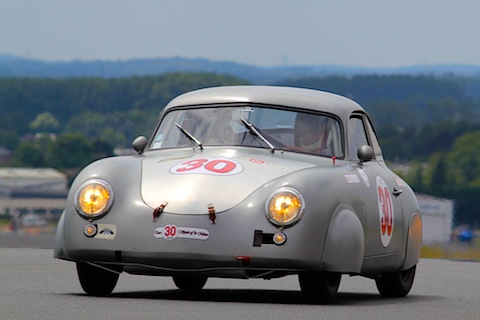
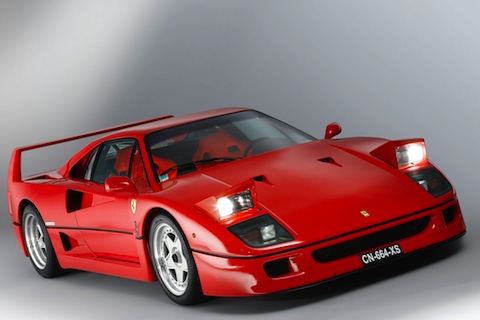
Only the sports cars seem to follow this height growth trend less. A Porsche 911 is still as high today as it was almost 60 years ago, but the Ferrari mid-engined sports cars with eight-cylinder engines have already grown a little; an F8 measures 1206 mm, while the first 308 was 1120 mm high.
The increase in height naturally increases the frontal area (as does the increase in width). This increase must then be compensated for with even more sophisticated aerodynamics so that the overall aerodynamic drag can be reduced in favor of better economy. In addition, higher cars are also heavier because more material has to be used. And as the height increases, the center of gravity also moves upwards, which is detrimental to good handling. There would therefore be good reasons to limit the height increase, but it is probably almost essential for the proportioning of new models with ever larger wheels (keyword 21 or 22 inches) to also increase the height so that everything looks as if it has been cast from a single mold. But hardly any customers have asked for this.