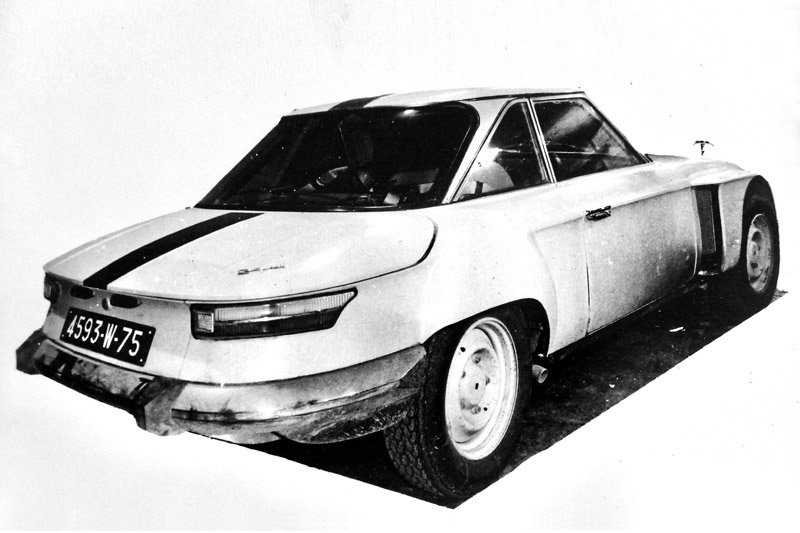
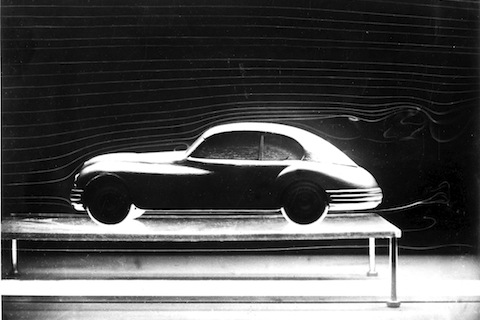
When you could still see aerodynamic progress

In the fifties and sixties, the high emphasis on aerodynamics in vehicle design meant that shapes were designed to flow and upright radiators were kept as small as possible. This was immediately apparent, even if the end result was not always particularly streamlined.
In the eighties, it was all about precision work, but you could still see it. The Audi100 (C3) from 1982 was a pioneer here. Thanks to intensive wind tunnel tests, the Cd value was reduced to 0.30, which was a world record at the time and caused quite a stir.
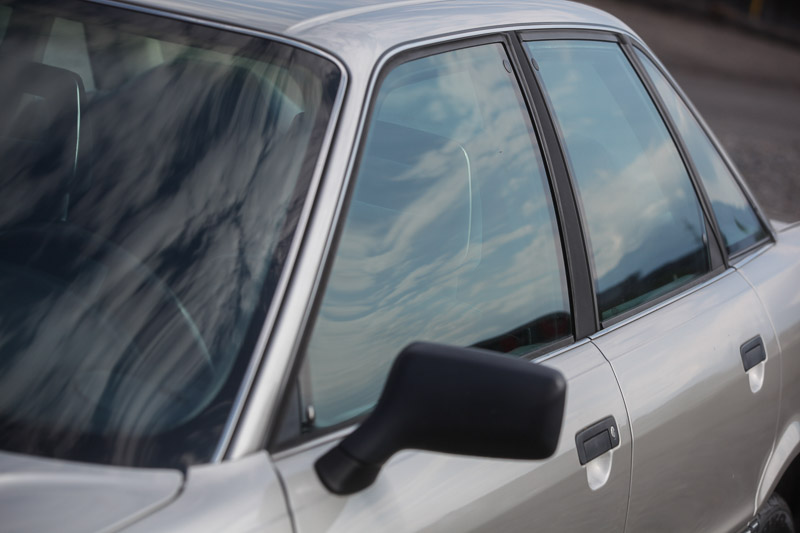
The Audi 80 B3 from 1986, however, was even more aerodynamically successful, achieving a Cd value of 0.29 despite its shorter length.
You can immediately see from the flush outer windows or the recessed door handles (picture above) that a great deal of precision work was carried out on the Audi 80 B3.
The Audi 80 B1 had appeared 14 years earlier and aerodynamics were much less important to the developers of this model, as can be seen in many details.
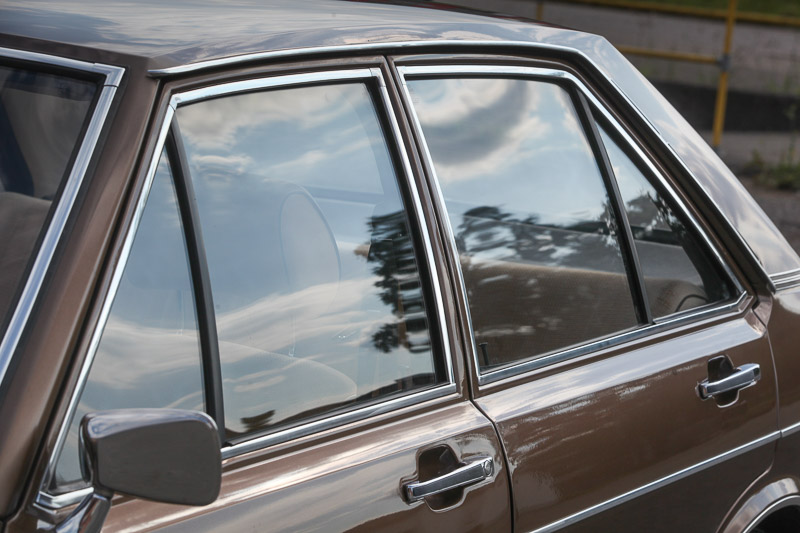
The differences are striking. For example, the cd value of the first Audi 80 was around 0.44. Around 40 % more air resistance, that was quite a lot ...
Although today's car models are also constantly improving in terms of their drag coefficients, much of this takes place behind the scenes and is barely visible from the outside. And the progress is more gradual and takes place less in leaps and bounds.
It should also be noted that the Audi 80 B2, i.e. the model generation between B1 and B3, had a drag coefficient of around 0.39.