Assistance systems and the effects on classic/young cars

Depending on how you define the term "assistance system", we have had these mostly safety-oriented little helpers in our cars for a long time. The automatic choke was actually already an assistance "system", ABS certainly was.
On July 1, 2022, a whole series of new assistance systems became mandatory for new cars in the EU, including the intelligent speed assistant, which requires traffic sign recognition and/or navigation data, event-related data recording (black box), the emergency brake assistant, which has to use various sensors and camera data, the emergency lane departure warning system, the emergency brake light, the drowsiness warning system, the reversing assistant and a few more.
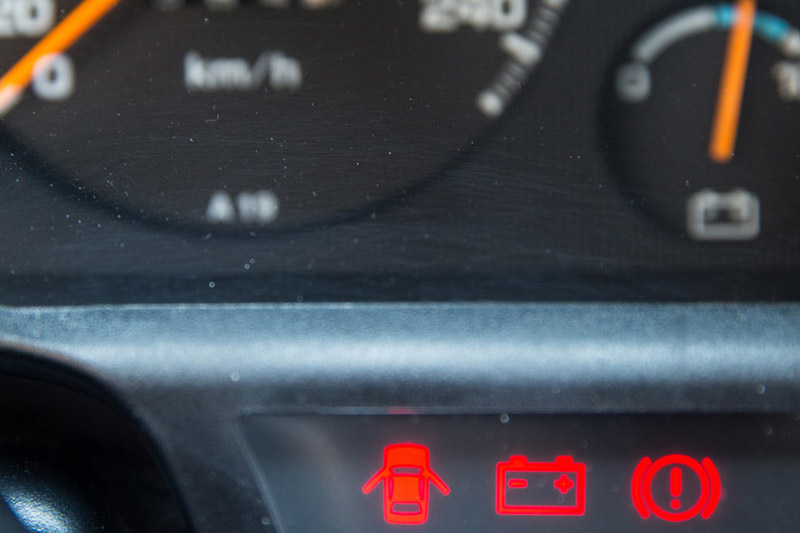
What should (presumably) make the new car and its occupants, or other road users, safer can unfortunately also become a problem for old cars in the medium/long term. These systems, some of which are highly complex and rely on a large amount of sensor data, must of course all function for the periodic road safety inspections. MOT or MFK stamps will most likely be refused if one of these mandatory systems does not work as expected and indicates this with a warning light or error message, for example.
However, repairing such networked systems can be very costly and sometimes even impossible if, for example, the correct sensors can no longer be obtained. This already affects cars with ABS devices that can no longer be repaired. This often means that the car goes to the wrecking yard, even though it would otherwise still run well. Some of these cars are then probably sent to Africa, where people are less fussy. Of course, there were no such problems with the automatic choke and these things were also relatively easy to repair. However, modern integrated sensor technology and computerization will present many a repairer with unsolvable problems ...