Planned obsolescence

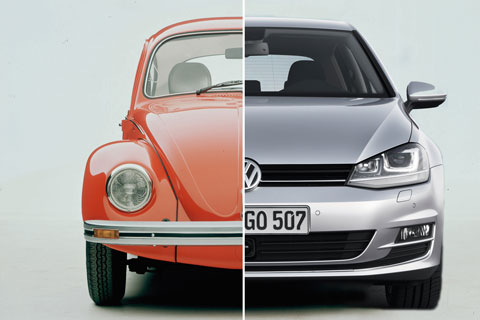
There is a lot of talk at the moment about the longevity of products and how long cars from today or the 1990s will last. Discussions about the life expectancy of modern vehicles are also a recurring theme on Zwischengas.
The topic is not new and it is in the nature of things that product manufacturers are not interested in their products lasting forever. After all, it is more interesting to sell a new replacement than to maintain and support old products forever.
The topic was already discussed in 1970 in an extensive report in the magazine "auto motor und sport" . And even then, people were complaining because they obviously felt that the cars of the fifties had been built much better than those of the late sixties. "Maximum sales volume demands the cheapest design for the shortest period of time that the buying public will tolerate," the article writes.
The term "planned obsolescence" or "planned ageing" was already being discussed at the time, but it goes back much further. In the USA, it was recognized as early as the 1920s that buyers could be persuaded to replace their old cars (prematurely) by constantly renewing the design - particularly important in times of market saturation. The term "planned obsolescence" then came into fashion, however, primarily through the designer Brooks Stevens , to whom we recently dedicated a report , and here we are already in the 1950s. In those years, it was primarily about refreshing the look and thus motivating the buyer to buy something new.
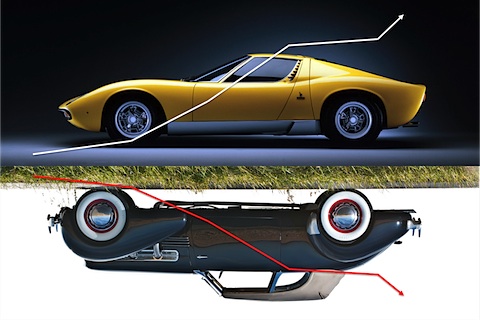
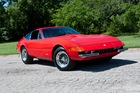
However, the term can of course also be applied to the durability of the technology and components. Experts and observers agree that today's cars are designed for a maximum mileage of 300,000 kilometers, some even for shorter distances. Even thirty or fifty years of use is probably not envisaged by most of today's car concepts. "Planned ageing" is just as much a part of today's car as its inherent safety and environmental friendliness. Too bad for those who would like to drive a Golf VII veteran (instead of a Beetle, see picture above) in 50 years.
However, we would like to add a quote from the aforementioned AMS report from 1970:
" They are still on the road, but the end is within reach; the 61/62 vintage is inexorably on its way to the scrap press. In another two years at the latest, these cars, apart from well-maintained exceptions, will be forgotten for good: the old DKW, the panoramic windshield Opels, the side-steered Ford 12 M and also the treasures of years gone by - Porsche 356 B and BMW V8."
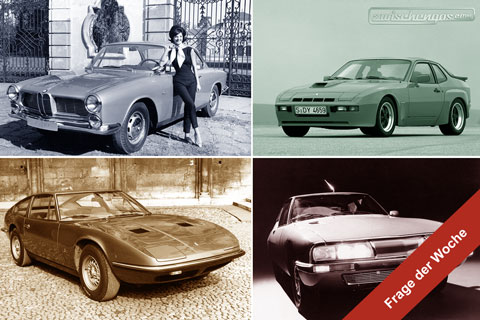
This prophecy from 1970 probably didn't quite come true, but there aren't too many old DKWs, panoramic windshield Opels or 12Ms still driving around. Of the Porsche 356B and BMW 502 to 507, however, a relatively high proportion of those built have survived. Perhaps this insight from history can also give us hope for the future?