Can today's cars still be classic cars?


There is a heated debate among car enthusiasts as to whether modern cars have any chance at all of remaining mobile for 30 years, i.e. ageing into classic cars. The signs are actually good, because modern cars, especially if they are electrically powered, have fewer parts than cars from the 1990s. The materials tend to be of higher quality and rust should rarely be a problem. And software, you might think, can be kept indefinitely - after all, some of our banks and insurance companies are still running programs that were written in the 1960s.
But unfortunately it is more complex than that. A car is made up of many different components, which are often built by suppliers. Spare parts usually have to be kept in stock for ten years, but sometimes even this does not work if, for example, a supplier is shut down or sold.
An interesting example is the Smart eBike. Although this is a bicycle and not an automobile, parallels can be drawn, especially as a major car manufacturer, i.e. Daimler-Benz or Smart, was behind it.
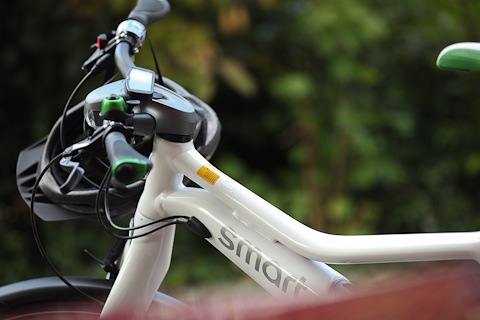
After initial euphoria, Smart's enthusiasm for its own electric bike quickly waned. The supplier that built the frames and assembled the wheels went bankrupt, as did the company that built the drive unit. The gearbox changed hands, but was actually designed too tightly from the outset for the torques that had to be mastered on an eBike. If you had technical problems with your bike, you were on your own; Smart stopped all services shortly after the warranty expired on the last bikes sold. Spare parts stocks, if they existed at all, were liquidated and sold off to third-party companies. These bikes are quickly disappearing from the streets because repairs are either very expensive or impossible. And we're not talking about 20 years, but less than six years of use.
There are similar risks with modern cars. Nobody is actually interested in these cars lasting more than ten years. Very few people can imagine that there could be people who want to be driving around in a VW ID3 or an electric Fiat 500 in 30 years' time.
Accordingly, hardly anything is done to ensure that today's cars can also age. There are always exceptions, of course, and in the case of super-expensive vehicles, more effort will be worthwhile. But the bread-and-butter cars of today are unlikely to be driving around in 30 years' time.
But we are happy to be proven wrong.