The three-liter car of the eighties

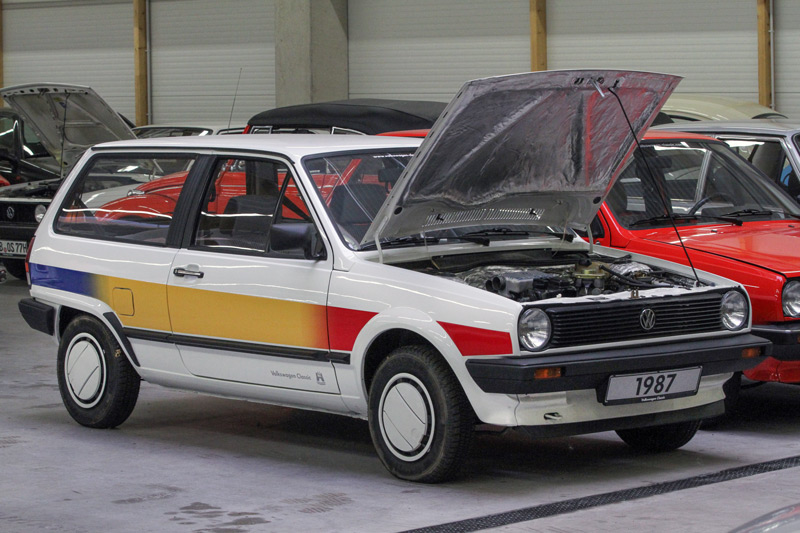
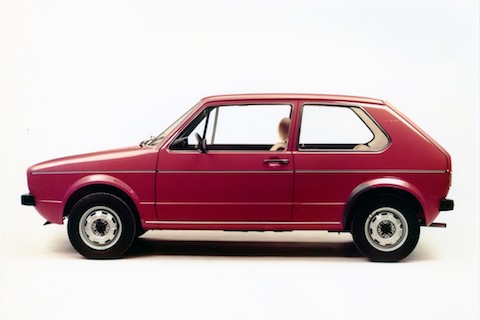
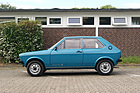
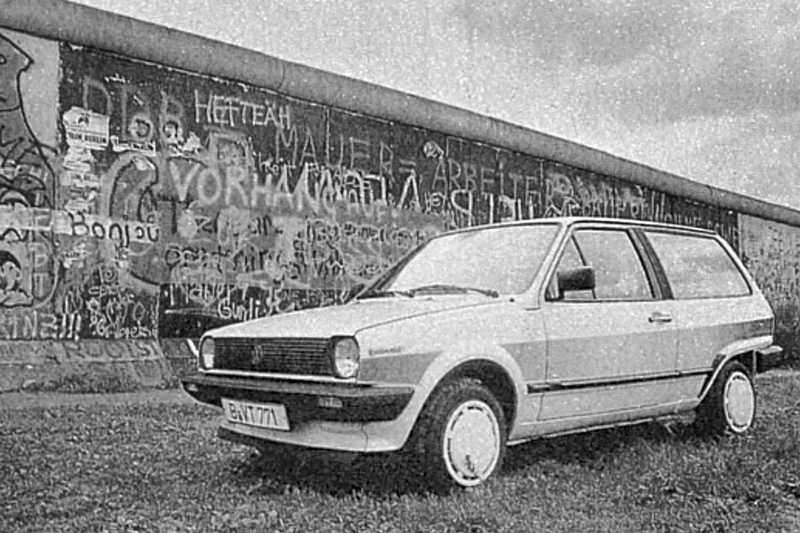
A test vehicle built by Volkswagen in the 1980s has almost been forgotten. The VW Polo (Type 86C) of the time was used as the basis. Under the hood, however, was not the usual four-cylinder petrol engine, but a two-cylinder diesel engine with direct injection and G40 turbocharger.
In principle, the Volkswagen engineers had simply halved the Golf diesel engine. The two cylinders had a bore of 79.5 mm and a stroke of 86.4 mm, resulting in a displacement of 858 cm3. A balancer shaft ensured that the Polo was not unduly shaken.
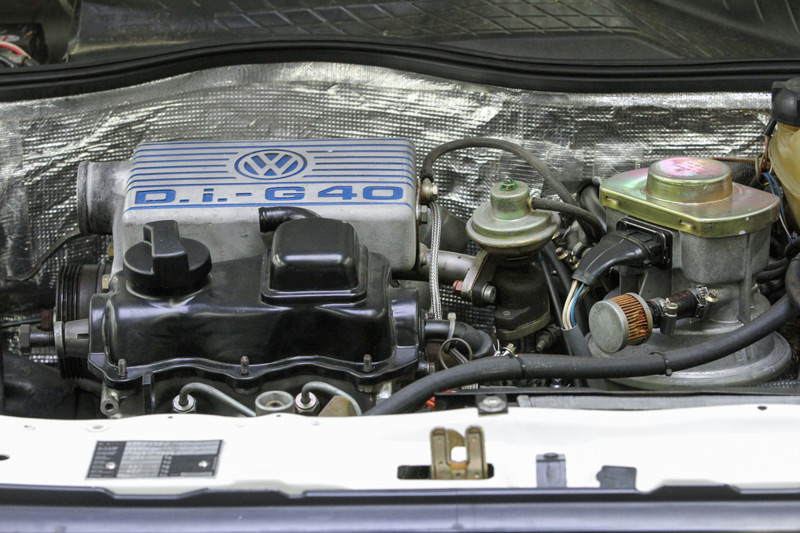
At 4000 rpm, the turbocharged engine produced 39 hp, and its highest torque was 76 Nm at 2500 rpm. And it was not even particularly loud. 71 dB (A) was confirmed at the time.
A special feature at the time was the driveless phase, known as "sailing". Today, all cars will soon be able to do this, but back then this swing-utility automatic was innovative. An automatic clutch ensured low-friction "freewheeling".
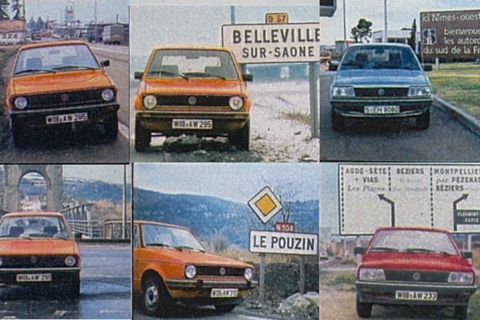
A test drive from Berlin to France over 1500 km proved that this Polo, which weighed around 820 kg and could reach speeds of up to 140 km/h, was really economical. 1.7 liters of diesel were sufficient per 100 km, with an average speed of 60 km/h being achieved. So there was no speeding, but the economy record was still impressive.
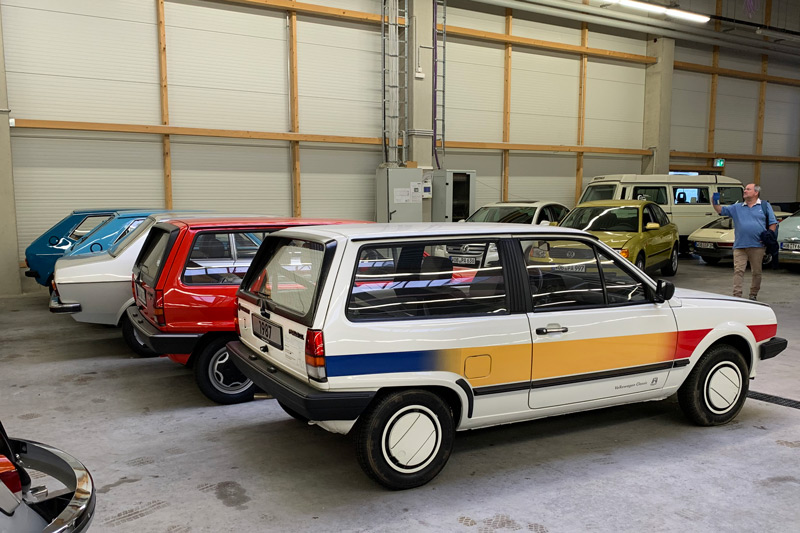
Driving the economy Polo required a certain amount of instruction. The car could only be started in neutral. If you shifted gears too slowly, the engine was stopped. However, this only worked from second gear (out of five) and not in reverse. That's how sophisticated the economy Polo was.
"We reckon that even drivers with little technical understanding will be able to handle the Eco Polo perfectly and without any problems after a familiarization period of one to two weeks", VW was quoted as saying at the time. This was probably not yet really suitable for everyday use. Accordingly, after 50 test cars, that was the end of it. However, it was not the complicated operation, but simply the enormous costs that would have been incurred in production that put an end to the car.
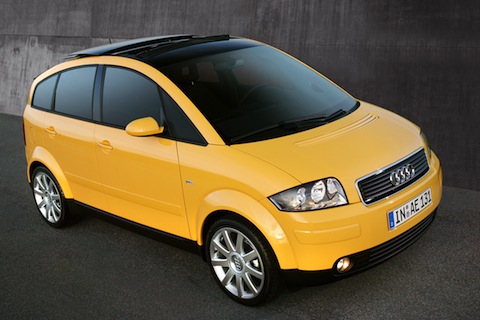
All this can be read in a 1987 issue of ams . Decades later, the XL1 one-litre car was built, which was a little more economical, but never reached a large number of units. Before that, there was the Lupo 3L, which went in a similar direction to the economy Polo and at least went into series production.
P.S. A good handful of these eco Polos are said to have survived, at least one can be found at Volkswagen Classic in Wolfsburg.