When the operating instructions mainly contained maintenance and repair instructions


Anyone reading an owner's manual for a modern car has to wade through hundreds of pages of explanations, warnings and instructions. It is not uncommon for there to be several books dealing with individual components (e.g. the entertainment electronics).
This was pleasantly different around 60 years ago, when BMW printed the manual for the BMW Isetta on just over 30 pages.

A good thirty pages were enough to say everything essential in a handy format.
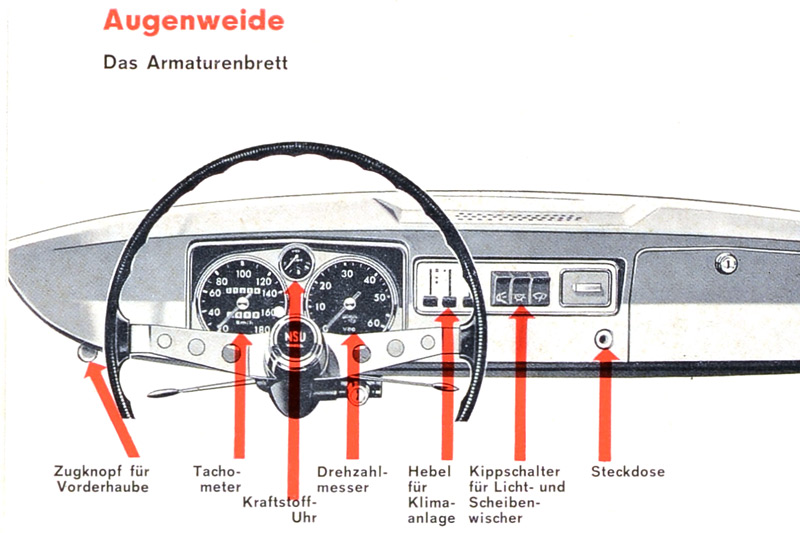
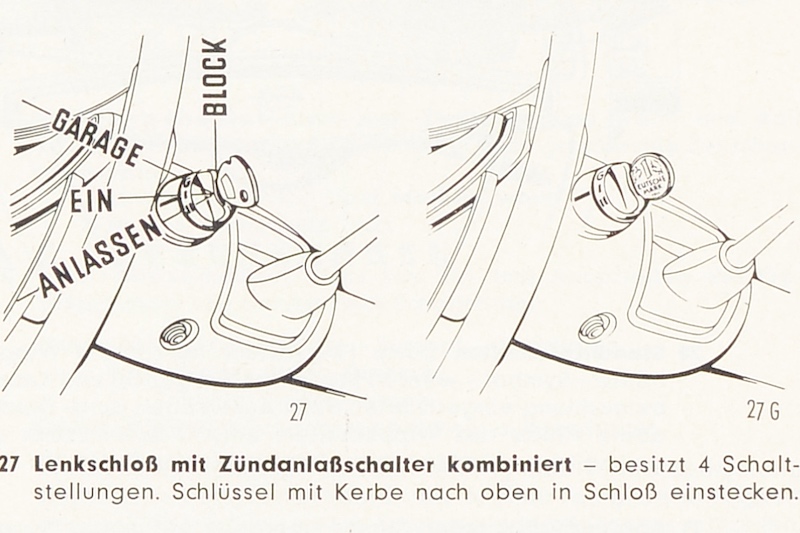
And in fact, only about six pages dealt with how to operate and start an Isetta, the first of which explained the "what is where".
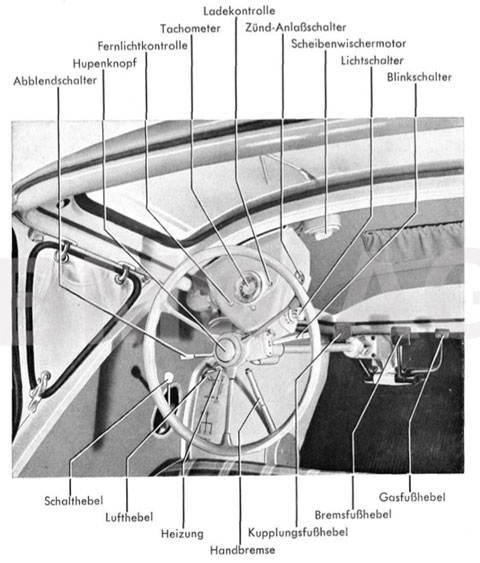
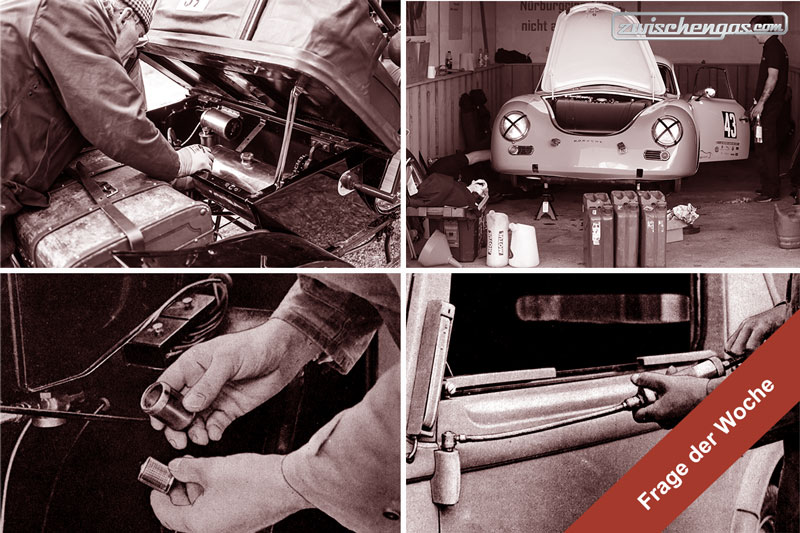
But there were almost 20 pages of explanations on how to maintain the bodywork, keep the technology running and repair small things. Yes, even the adjustment of valves was covered in this part and other things that hardly any modern driver of the millennium generation would dare to do today.
Of course, an Isetta was much less complex than a modern car, not to say it was downright simple and straightforward. Nevertheless, the comparatively taciturn way of explaining a car and its operation is pleasantly refreshing.
But this sentence in the introduction sounds downright pleasant:
"Please don't think you have to memorize everything in this booklet. And above all, don't be alarmed when you find a wealth of technical data right at the beginning. This is primarily intended for BMW Isetta owners with an interest in technology, but also for the workshop. But do read through the rest of the text. We have tried not to compile it from the technical dictionary of engineers, but to use the colloquial language in which you want to talk to your friends and acquaintances about your new BMW Isetta."