Will he see my flashing signal?


Automotive technology has made enormous progress over the last fifty years, including in the field of lighting. Modern cars turn night into day with their xenon or LED headlights, but with their daytime running lights they can also be seen safely in daylight despite the lack of signal color. Progress has not stopped at rear lights and indicators either. Large, stylish lights with LED technology are used, so much so that drivers behind almost have to wear sunglasses if they don't want to be dazzled. Modern cars indicate the direction brightly and clearly if the driver does not forget to activate the blinker. This certainly contributes to road safety.
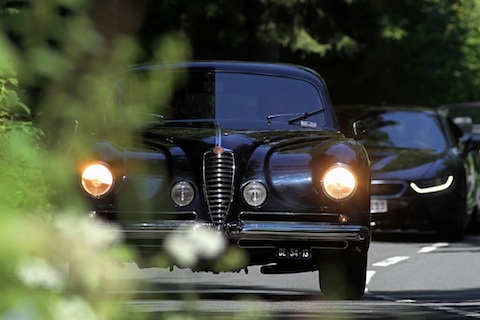
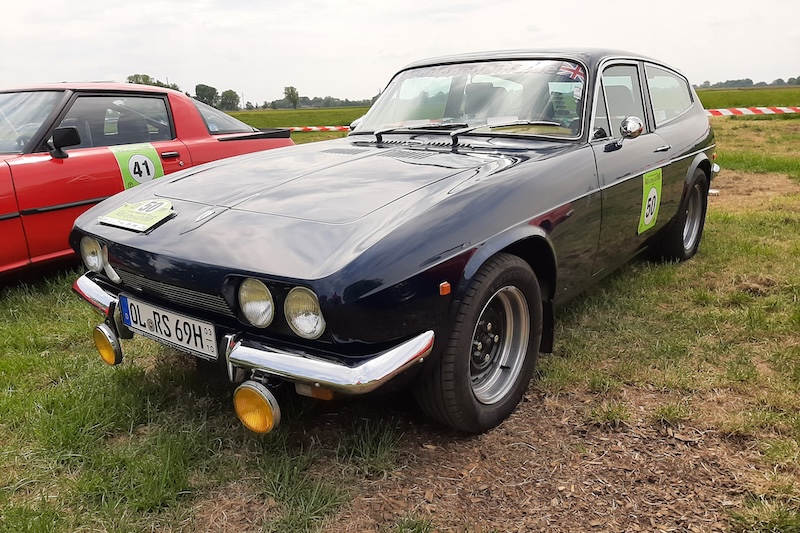
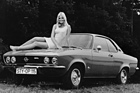
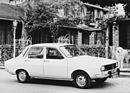
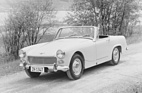
However, when we sit in an antique car, even if it is only 30 or 40 years old, we are once again dealing with tiny light bulbs in small blinker lights, which may even shine more or less brightly depending on the engine speed and battery condition. All it takes is a ray of sunlight and the light is barely visible. And the indicator light (or indicator) may also be mounted in an unusual position.

If, for example, we want to turn off on a straight road and it makes sense to indicate this in good time by flashing, then we naturally wonder whether the following driver in the two-ton diesel car will really see our flashing light or whether he will simply hit us in the car during the following braking maneuver (due to oncoming traffic).
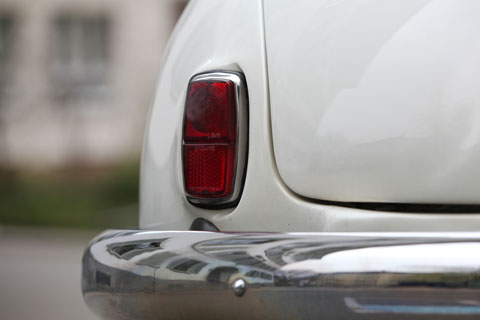
Depending on the situation, this can be quite a queasy feeling, because you don't want someone to drive into your carefully restored little treasure, not to mention the possible consequences of an accident for the crew.

As much as progress in modern cars ensures greater safety, many road users forget that things used to be different and that they should pay more attention, especially with classic cars, in order to be able to recognize indicators and brake lights safely.